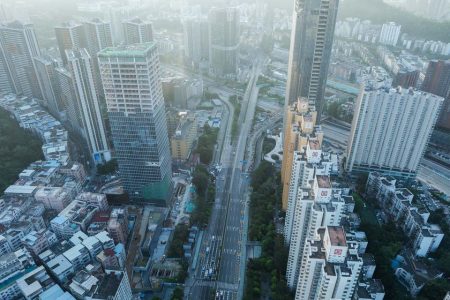
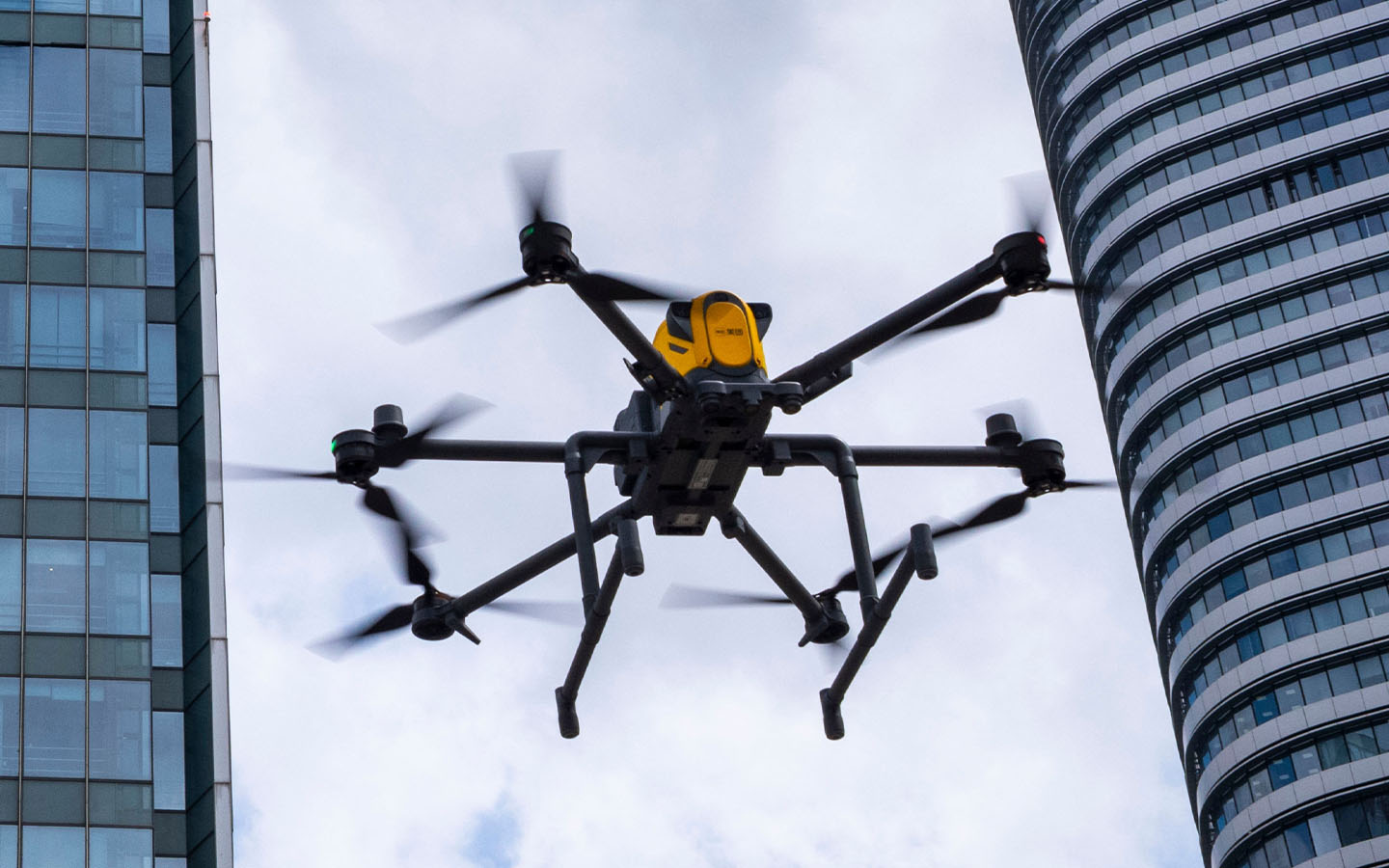
The South China technology powerhouse of Shenzhen, the base for the world’s foremost drone manufacturer DJI, has announced the opening of a total of 310 low-altitude logistics routes. A further 82 new routes are scheduled for addition in 2026, according to reports from the ongoing annual session of the municipal people’s congress.
Official figures released on Monday during the meeting indicate that Shenzhen is aggressively advancing its low-altitude economy, having already constructed more than 1,200 takeoff and landing facilities for low-altitude vehicles, the Xinhua news agency says.
The city in Guangdong province is already a primary manufacturing centre for unmanned aerial vehicles, responsible for the production of 70 percent of China’s consumer drones and 50 percent of its industrial drones.
[See more: Guangzhou unveils 10-year plan to build ‘Sky City’ and boost low-altitude economy]
Growth in Shenzhen’s low-altitude industry is being underpinned by increased municipal investment in scientific and technological innovation.
Between 2020 and 2024, Shenzhen’s total research and development investment expanded from 151.08 billion yuan (about US$21.73 billion) to 245.31 billion yuan. This represents an average annual growth rate of 12.9 percent.
The recognition of the low-altitude economy as a new driver of economic growth in the 2024 government work report has given significant impetus to the sector across China. Projections from the Civil Aviation Administration of China suggest that the nation’s low-altitude economy reached a market size of 1.5 trillion yuan last year and is expected to surge to 3.5 trillion yuan by 2035.