A new cross-border data channel linking Shenzhen and Hong Kong has begun allowing medical records to be transferred securely between the two cities, a move expected to improve care for hundreds of thousands of residents who regularly seek treatment across the boundary, according to multiple media reports.
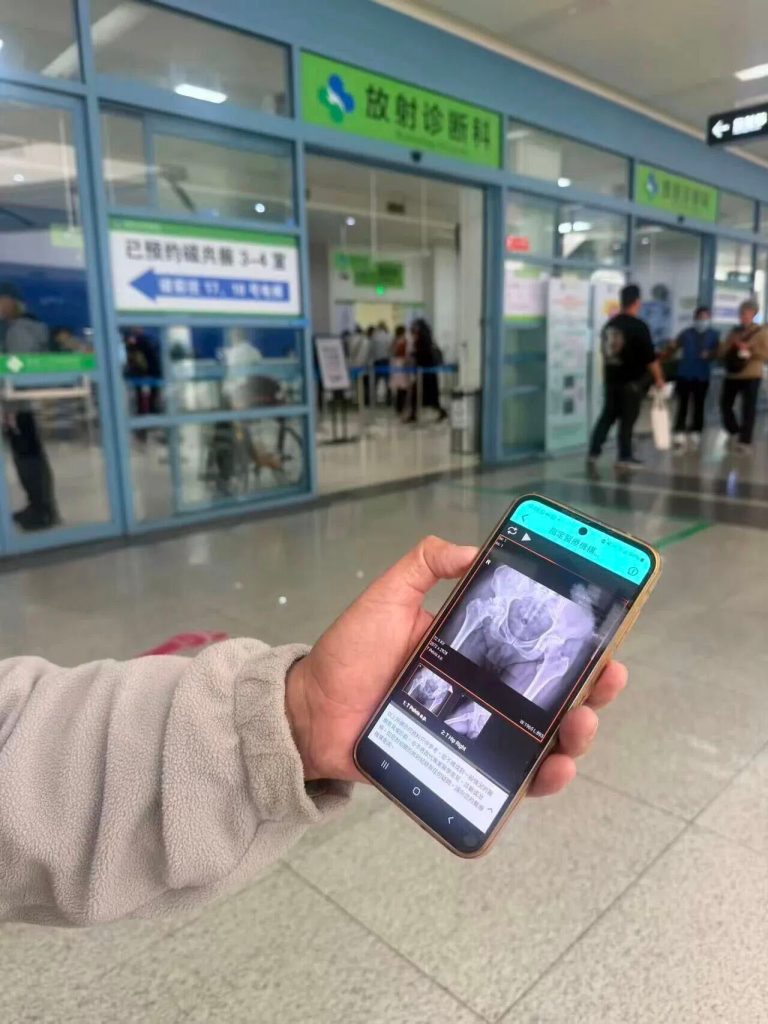
The system allows authorised medical data, including examination reports and diagnostic images, generated at selected hospitals in Shenzhen to be uploaded directly into Hong Kong’s public “eHealth” medical records platform, which already supports features such as personal folders and cross-boundary health records for storing medical information from outside the city.
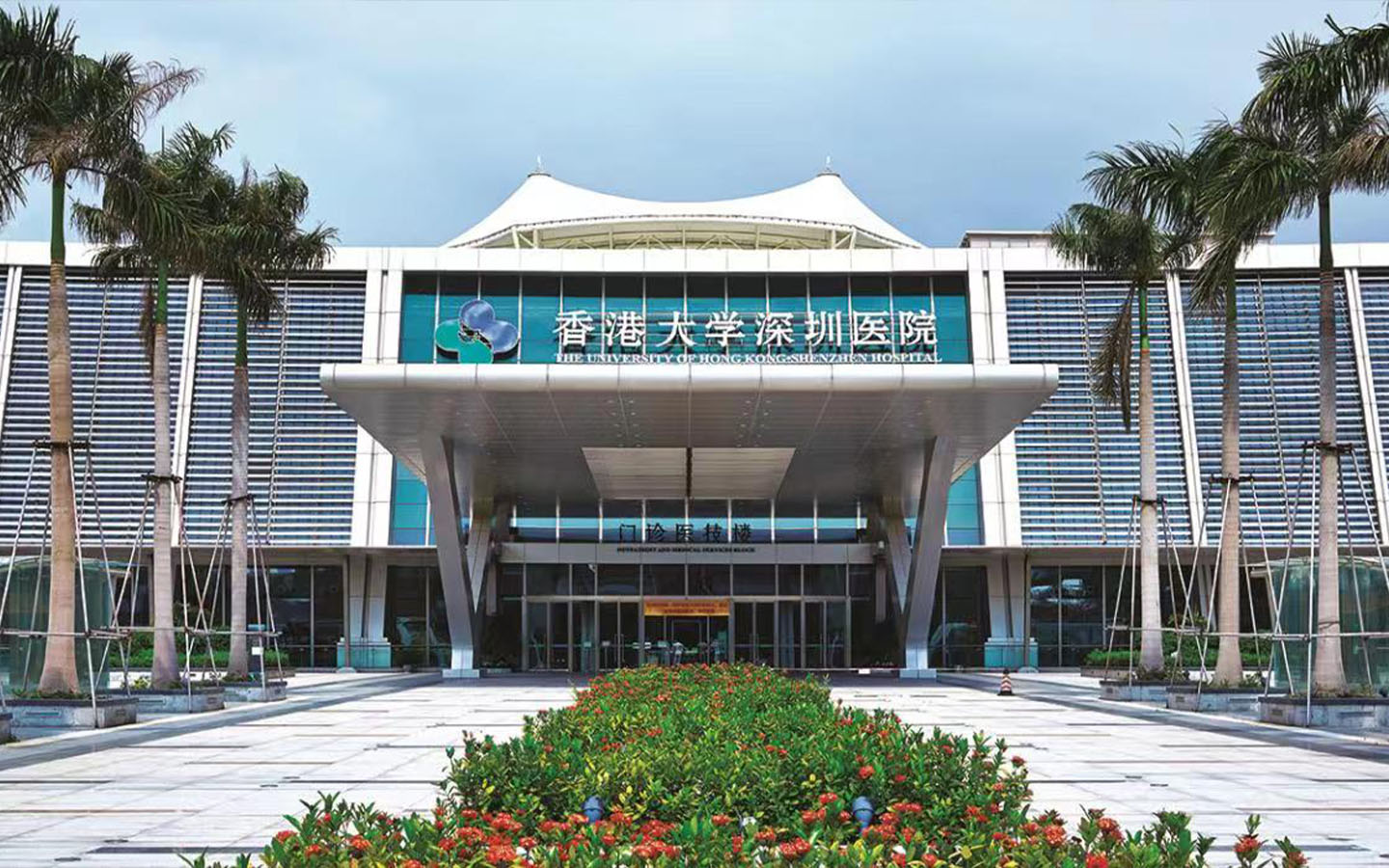
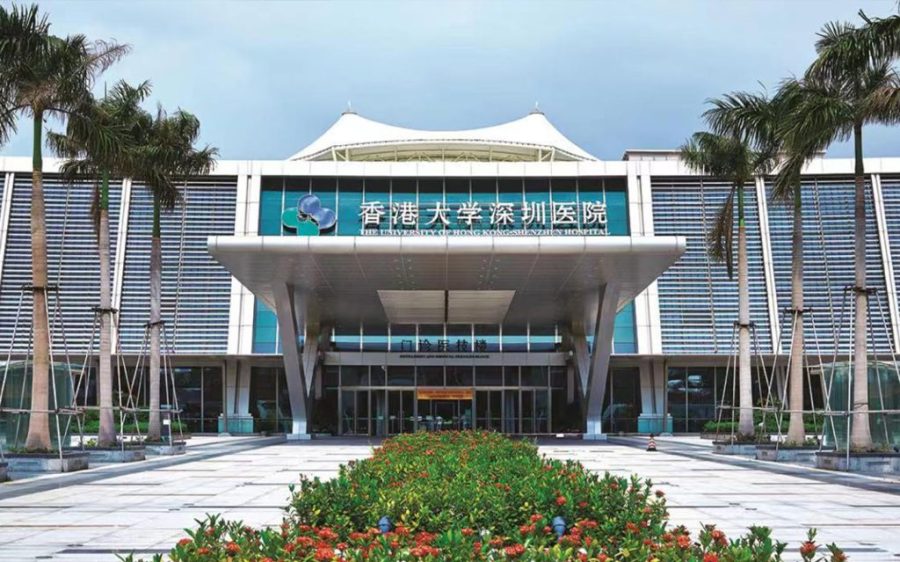
The initial rollout connects two Shenzhen hospitals – The University of Hong Kong-Shenzhen Hospital, a major teaching hospital affiliated with the University of Hong Kong, and Shenzhen New Frontier United Family Hospital – both of which treat large numbers of Hong Kong residents, including elderly patients using cross-border medical vouchers.
Previously, patients receiving treatment in Shenzhen were required to manually bring paper or digital records back to Hong Kong for follow-up consultations. This often resulted in incomplete information, delays in care or duplicated medical examinations.
According to information released by the hospitals, the new channel has been designed to meet security, compliance and privacy requirements on both sides of the border. Medical records are transferred through secure, encrypted channels, with access restricted to authorised users and subject to regulatory checks.
[See more: Shenzhen unveils new global framework for urban governance]
Healthcare is the first sector to adopt the cross-border data-sharing framework, which is part of broader efforts to integrate public services within the Greater Bay Area. Media reports estimate that more than 300,000 Hong Kong residents who seek medical services in Shenzhen could benefit from the system by 2026.
Authorities have indicated that the same framework may later be extended to other sectors, including finance, education and scientific research.