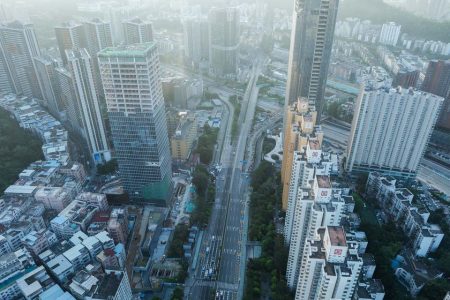
Cities across the Greater Bay Area are no longer competing primarily for long-stay tourists. Increasingly, they are vying for mostly domestic travellers interested in shorter and more frequent visits – either for the weekend or simply for the day.
[See more: Better gaming revenues during non-peak holidays might be linked to overtourism]
Faster cross-boundary transport, eased travel rules and experience-led travel are reshaping how people move around the region. Trips that once required planning and extended leave now fit neatly into a Friday-to-Sunday window. In this environment, cities are judged less on what they offer over a week and more on what they can deliver in 24 or 48 hours.
For Macao, that shift plays directly to its strengths.
Why Macao fits the weekend-city model
According to Glenn McCartney, associate professor in integrated resort and tourism management at the University of Macau, the SAR’s position as a short-stay destination has been reinforced over many years rather than emerging suddenly.
“For more than two decades, the narrative has been that people come for a day or one night, and that perception has been continually reinforced through real visitation patterns and social media,” McCartney said.
Unlike larger metropolitan centres, Macao’s compact scale allows visitors to move quickly between hotels, dining districts, entertainment venues and event spaces. That ease of movement matters when time is limited. Even a short stay can feel full, deliberate and carefully curated – a key factor in weekend travel.
McCartney noted that successful short-stay destinations tend to be compact and walkable, a model that works strongly in Macao’s favour. “Visitors can move easily around areas like Taipa, explore, dine, take photos and feel they’ve had a complete experience, even without staying overnight,” he said.
That shift is also visible on the ground, according to Kevin Maher, a well-known YouTuber who makes popular videos of walking tours of the city (and who works as a University of Macau language instructor by day).
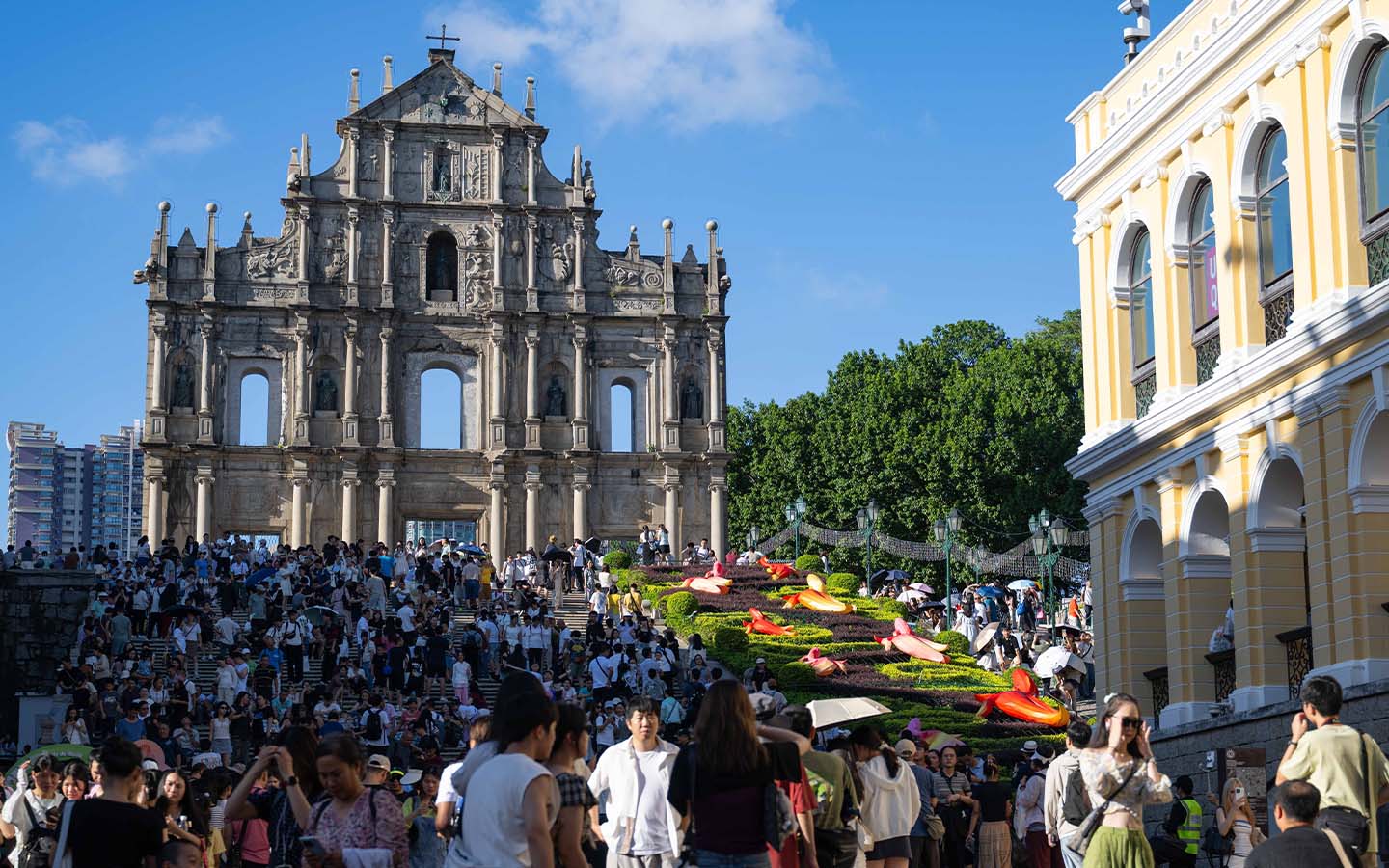
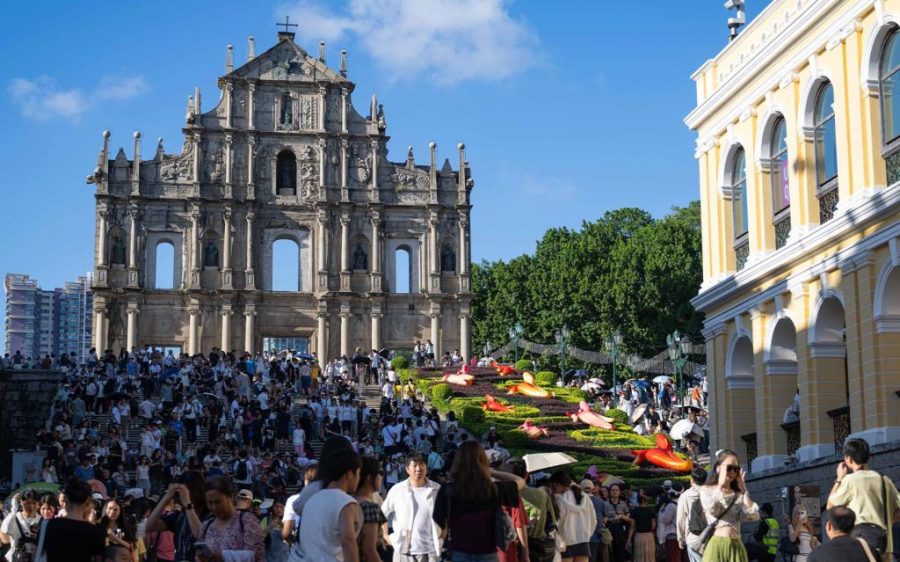
“Taipa Village feels much more crowded on weekends than it did before Covid,” Maher said. “Streets that weren’t especially busy five or six years ago now require crowd control, which really changes how that area feels.”
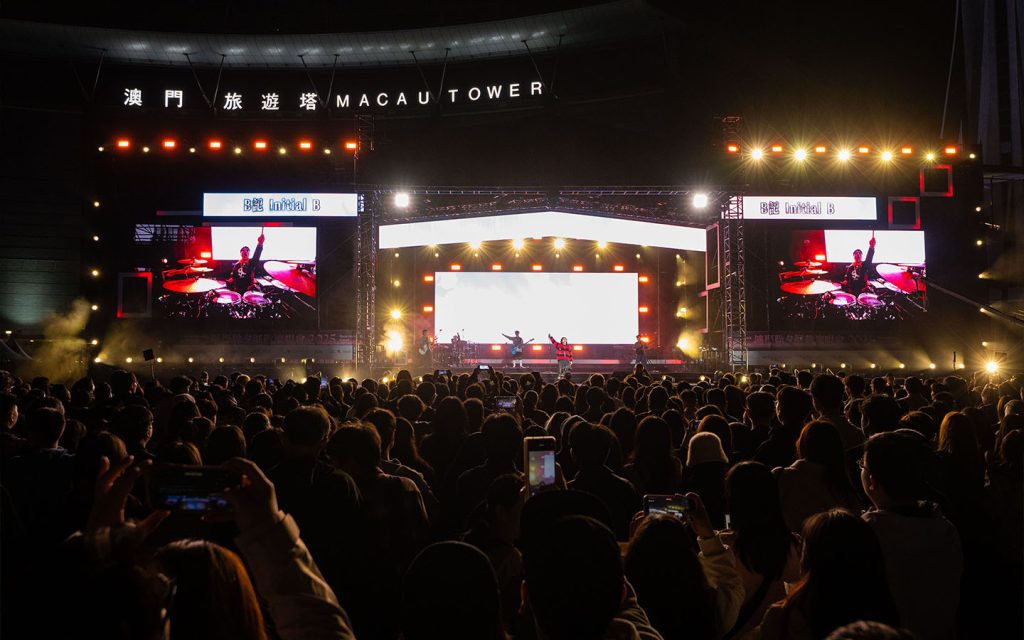
More importantly, Macao operates on a model built around programmed experiences rather than passive sightseeing. International sporting events, exhibitions, residency shows and seasonal festivals give visitors a clear reason to come at a specific moment, rather than “sometime in the future.” In the day-trip or weekend-city economy, what’s on increasingly matters more than what’s there.
[See more: Who are Macao’s three-peaters, and what do they mean for future tourism initiatives?]
Maher said those events increasingly drive short, purpose-led visits rather than extended stays. “You can see people coming in for specific events, especially K-pop, and then spending time around nearby pop-up stores, taking photos and moving on,” he said. “It feels much more like short, purpose-driven visits.”
This shift is visible across the bay. Cities such as Hong Kong, Shenzhen and Zhuhai are increasingly used as short-stay destinations, each offering a distinct mix of culture, dining, events or leisure within easy reach of one another. Rather than competing directly, they function as a network of complementary weekend options.
For Macao, the commercial impact is clear. Shorter trips do not necessarily mean lower value. In 2025, the city recorded a total of 40.06 million visitor arrivals, the highest annual figure on record, according to the Public Security Police. The total represents a 14.7 percent year-on-year increase and surpasses the previous pre-pandemic record of 39.4 million visitors set in 2019, highlighting Macao’s growing role as a high-frequency destination rather than a long-stay one.
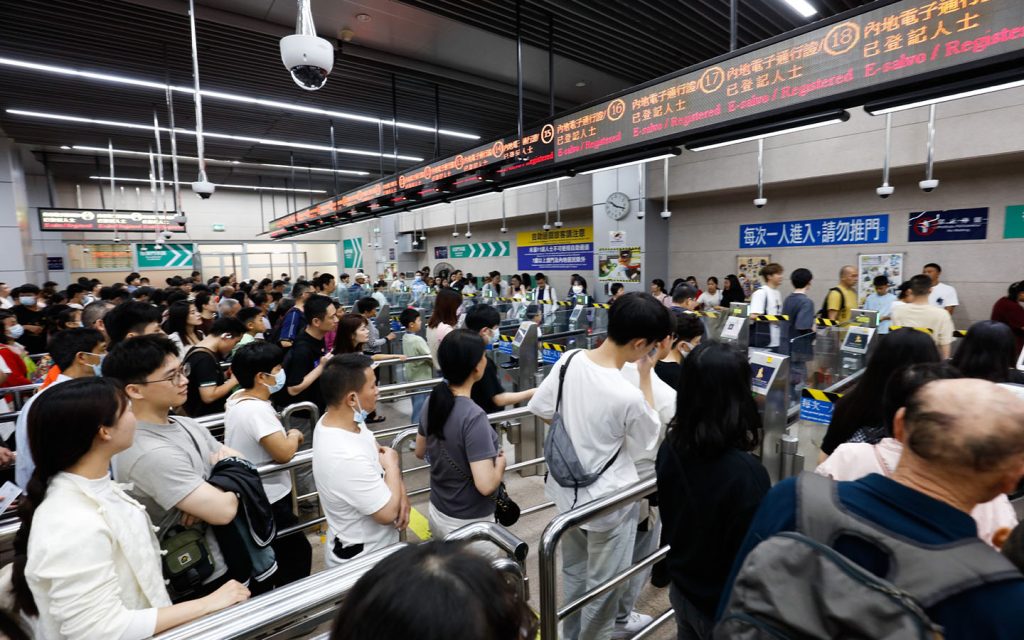
The intensity of that travel is reflected in border activity. Macao recorded 235 million entries and exits at its checkpoints in 2025, up 9.8 percent from a year earlier, marking another annual high. Daily crossings also reached new peaks, with a record 866,000 movements recorded on New Year’s Day, underlining how short, repeat trips are increasingly shaping travel patterns across the Greater Bay Area.
[See more: Can Macao attract more visitors through film tourism?]
According to official tourism data, same-day visitors accounted for more than half of total arrivals for much of 2025, reinforcing the shift towards short, high-frequency trips rather than extended stays.
Improved connectivity has helped enable this behaviour. The Hong Kong-Zhuhai-Macao Bridge and expanded rail links now allow travellers to move between major hubs in a matter of hours, effectively shrinking the region into a tight weekend circuit. Since opening, the bridge has carried tens of millions of travellers, highlighting its role in facilitating frequent short trips.
Another key artery is Hengqin Port, which provides seamless cross-boundary access between Zhuhai and Macao, further strengthening short-trip mobility.
This shift also reflects broader changes in how people work and travel. With demanding schedules making it challenging to reserve travel for long uninterrupted holidays, people are increasingly likely to weave travel into everyday life through frequent short breaks.
[See more: Why do South Koreans love visiting Macao?]
While quick breaks are not new, McCartney stressed that how cities position themselves within that pattern matters. “A typical weekend city implies two nights,” he said. “If Macao can move closer to that, it would already represent meaningful progress.”
The rise of the weekend city is not a passing trend but a structural change in urban tourism. In the Greater Bay Area, success may depend less on attracting once-in-a-lifetime visitors, and more on persuading people where to spend their next free weekend. For Macao, that changing logic could prove to be a lasting advantage.