
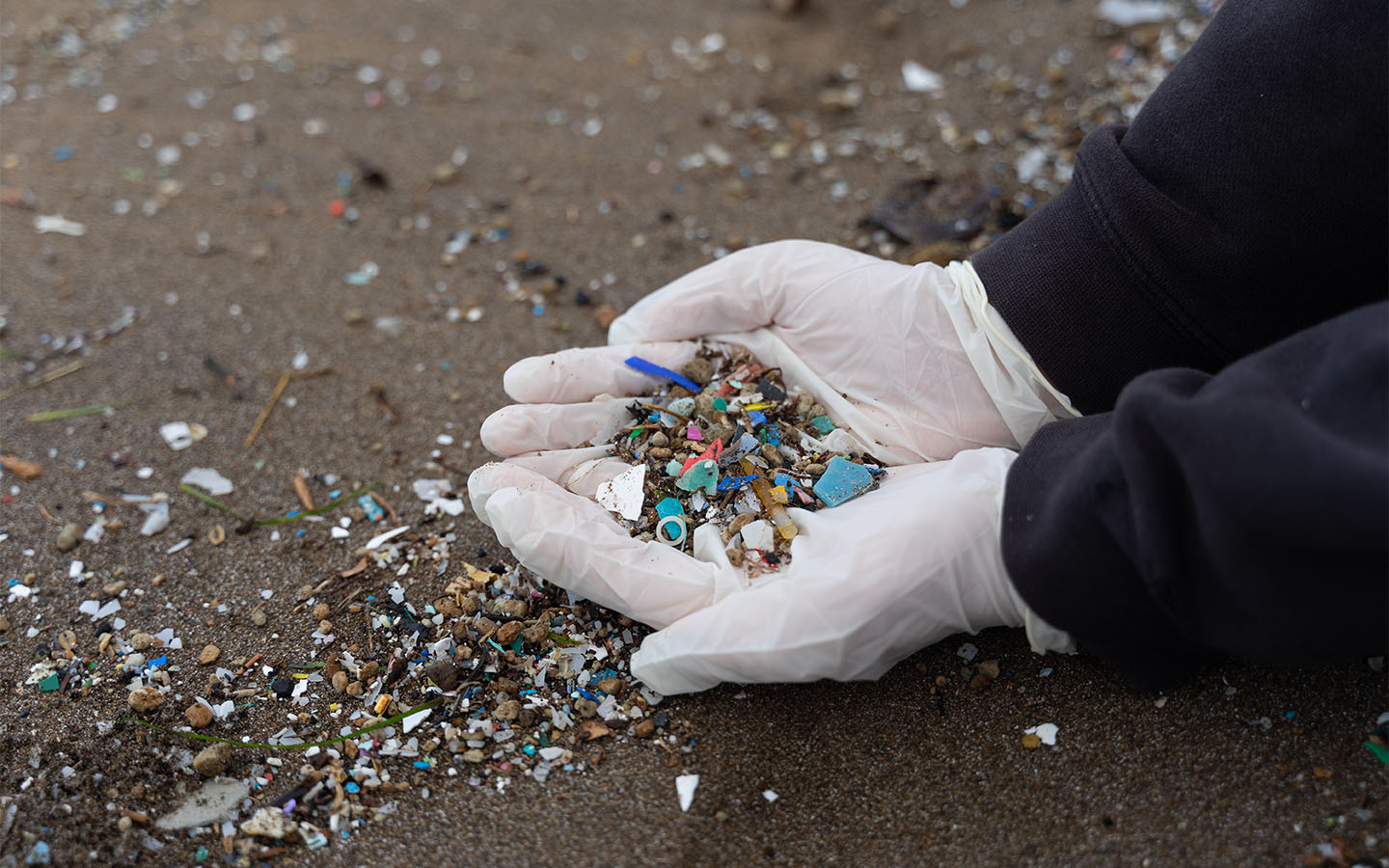
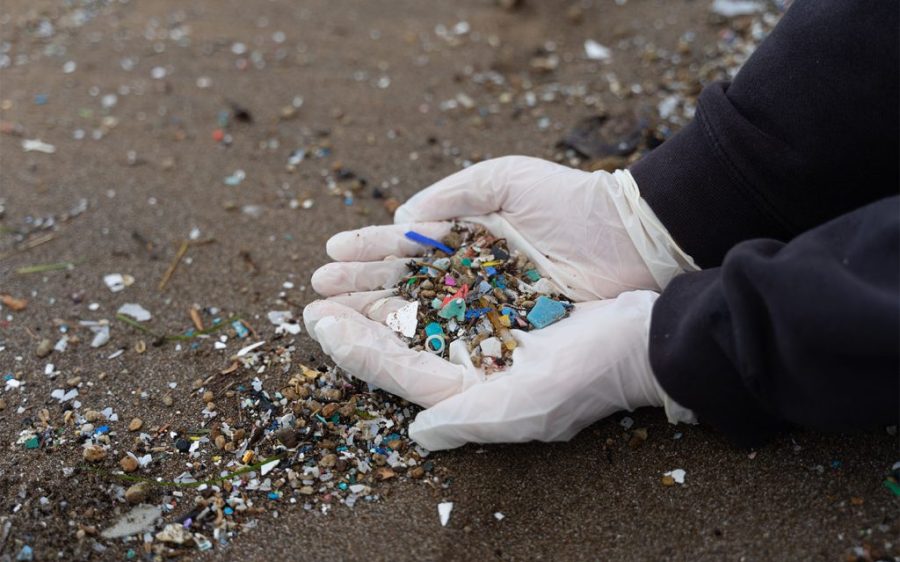
Researchers warn that microplastic interference in marine ecosystems may be significantly contributing to climate change, and are advocating an immediate and coordinated response to these intersecting environmental challenges.
An international team of researchers conducted a scoping review that was reported by SciTechDaily. It drew on 89 studies, most published within the last decade, to assess the scope and direction of existing research on microplastics (MPs). Analysis of peer-reviewed articles, reports from international organisations and other authoritative sources revealed an overlooked link between MPs and climate change.
“Microplastics disrupt marine life, weaken the ‘biological carbon pump,’ and even release greenhouse gases as they degrade,” Dr Ihsanullah Obaidullah, corresponding author and associate professor at the University of Sharjah, explained to SciTechDaily. “Over time, these changes could lead to ocean warming, acidification, and biodiversity loss, threatening food security and coastal communities worldwide.”
The world’s oceans play a critical role in mitigating the impacts of climate change, accounting for nearly a third of carbon sequestration through the biological carbon pump. Like plants on land, tiny ocean organisms called phytoplankton absorb CO2 from the atmosphere to build their bodies through photosynthesis. Microplastics reduce their ability to photosynthesise and impair the metabolism of zooplankton, phytoplankton’s biggest predators and the cornerstone of the marine food web.
[See more: Your sunscreen may be making plastic marine pollution worse]
The reduction in carbon sequestration, along with greenhouse gases emitted by MPs as they degrade, contribute to ocean acidification. More acidic water further damages plankton, directly harms other species and harms entire marine ecosystems as well as the people that depend on them. MPs also host the plastisphere, a biofilm of diverse microbes that have a major influence on how important nutrients like iron, phosphorus, and nitrogen are cycled in marine environments.
Without interventions, the environmental impacts of MPs will only grow. A 2025 UN report estimated annual plastic production at over 400 million tonnes, a figure set to triple by 2060 unless policies change. “The increasing demand for and excessive consumption of plastic have led to serious challenges for human and ecosystem health, posing threats to environmental sustainability and food safety.”
The researchers call for immediate and coordinated efforts to “develop governance frameworks that tackle both MP pollution and climate change, particularly their links to ocean acidification and warming.” They name reducing single-use plastics, promoting biodegradable alternatives, improving waste management and further research as key priorities.
“This is not just an environmental issue,” Obaidullah stressed, “it’s a global sustainability challenge.”