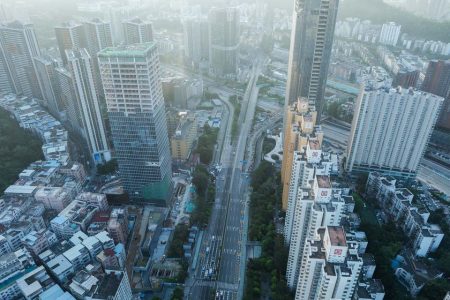
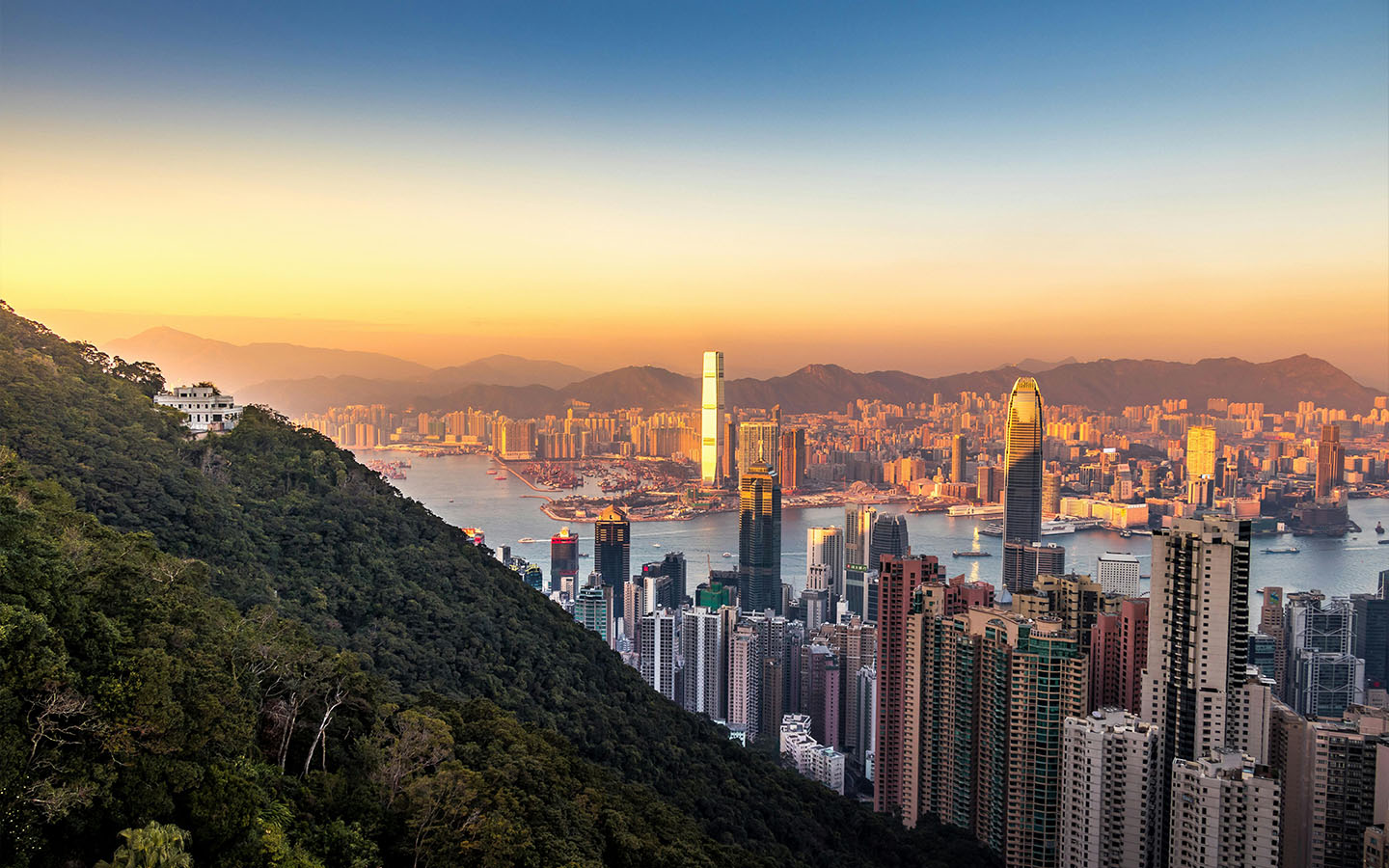
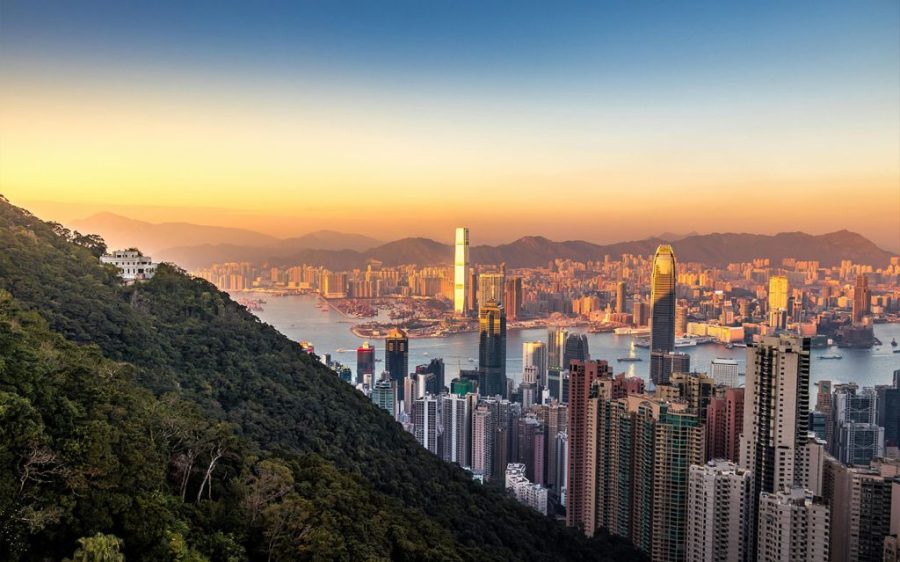
Morgan Stanley upgraded Hong Kong’s property outlook this week, noting that real estate prices across residential, office, and retail space are expected to further stabilise after borrowing costs fell last year. The investment house is forecasting residential property values to climb 10 percent in 2026 after bottoming out last spring and to extend the recovery into 2027.
The more upbeat assessment for Hong Kong’s real estate market marks a notable contrast from mainland China. New home prices fell 0.4 percent from the previous month across 70 cities in November while investments in real estate developments declined 15.9 percent, according to a release published by the National Bureau of Statistics.
While Hong Kong’s potential buyers and current tenants may sour at the prospect of higher prices and rental costs, the sector’s turning point is a welcome development for landlords and homeowners. Amid the seven-year downcycle, residential values contracted by nearly a third, forcing the city’s lenders to raise provisions against negative equity valuations, constraining credit availability in the economy.
[See more: Hong Kong’s property market is showing signs of recovery]
Easing financial costs and more favourable yield spreads should benefit residential transactions. Morgan Stanley is pencilling 8 percent growth for primary units and 10 percent growth for secondary homes, driven mainly by genuine end users. New investment incentives, talent schemes, and family formation trends have helped reverse residential outflows, with Hong Kong’s total population expected to increase after experiencing annual contractions in 2020 and 2021.
Office space
Within the commercial sub-segments, the real estate picture is slightly mixed. A 15 percent vacancy rate is expected to pull overall office rents down by 3 percent this year, however office space in Hong Kong’s central business district (CBD) is set to buck the trend. Demand from hedge funds, sovereign wealth managers, and private banks is taking up leases in the CBD where supply is limited, squeezing occupancy rates closer to 90 percent and pushing rents up in those areas by 3 percent.
While a recovery in home prices and rental reversion should offer relief for Hong Kong banks, concerns over asset quality and loan book deterioration still persist. The sharp 40 percent drop in office values and the 24 percent decline in retail property prices have forced lenders to raise credit costs and limit the banks’ capacity to extend loans. Fitch Ratings projects sector-wide non-performing loans (NPL) will remain above 2.0 percent this year before climbing to 2.3 percent, representing the fastest pickup in the region and Hong Kong’s highest NPL ratio in more than two decades, though still considerably lower when compared to regional markets.
Closer to home
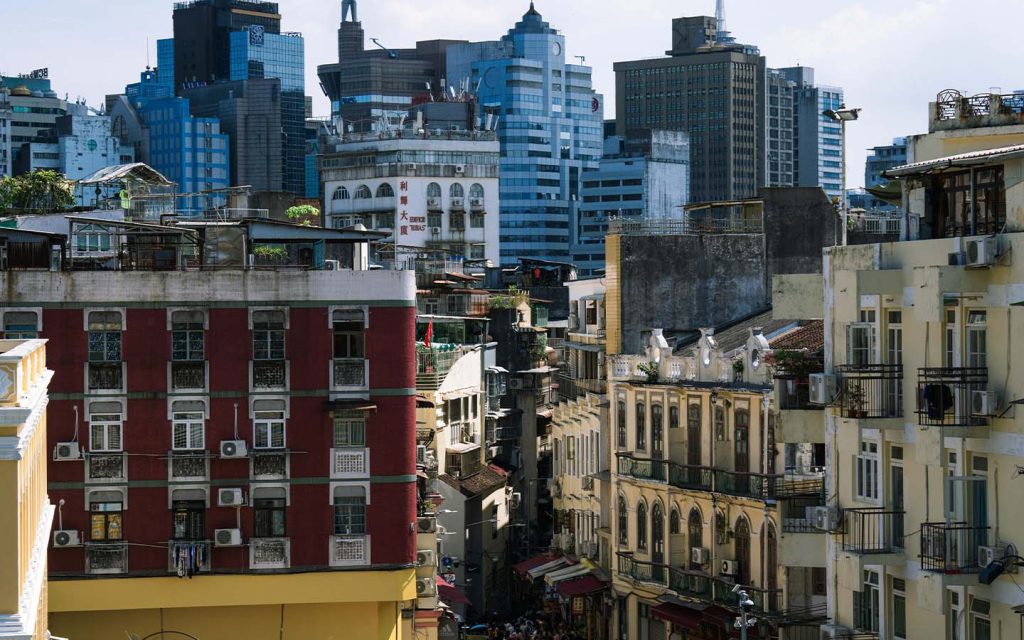
In Macao, experts are hoping that similar macro tailwinds impacting Hong Kong’s real estate market could carry over into the local sector. Centaline Properties expects sales volumes to rise 10 to 20 percent after falling 7 percent last year, citing the higher stamp duty exemptions and increased loan‑to‑value mortgage measures introduced last November. However, while both SAR property markets are directly affected by similar factors, like interest rate cuts at the Federal Reserve, different characteristics define each economy.
“Macao’s market is significantly smaller in scale, offering less depth and resilience,” explains Lai Chong Au, group chief executive officer at Delta Asia Financial Group, emphasising the success of Hong Kong’s talent and immigration scheme in pulling in tenants to absorb excess housing inventory, including foreign students seeking competitive accommodation options.
Hong Kong also benefits from a positive feedback loop between the stock and property market. Capital market achievements, including the Hang Seng’s 28 percent return, along with the 114 companies who have raised more than $37 billion on the mainboard in 2025, comes against a 16 percent rise in property transaction volumes over the first eleven months of the year. By contrast, the links between Macao’s gaming revenues and the rest of the local economy are not as pronounced.
[See more: Centaline Property expects 10 to 20 percent growth in Macao’s 2026 housing sales]
“Macao’s economy remains heavily dependent on gambling and tourism, with a substantial portion of spending concentrated within the casino sector rather than flowing through to small and medium-sized enterprises, limiting broader economic and property market support,” Au tells Macao News, underscoring her more cautious outlook.
Back in August, the Macau General Association of Real Estate noted that the removal of property curbs had yet to halt the sector’s slide, warning that the prolonged downturn was weighing on investors, consumer confidence, and purchasing power.
Morgan Stanley sees Hong Kong’s market recovery supporting a narrower discount to net asset value (NAV), driving up stock valuations for listed developers. The sector currently trades at a 50 percent discount to NAV, with the analysts expecting a rerating to push the discount closer to 30 percent.