Mozambique has announced import limits on certain goods, the latest in a wave of new measures to combat the severe shortage of foreign currency in the country, reports Mozambican media outlet Evidências.
The government approved a decree establishing rules on products subject to “temporary quantitative import restrictions” on Tuesday. Council of Ministers spokesperson Inocêncio Impissa, addressing press after the cabinet meeting, framed the measure as an effort to “safeguard Mozambique’s external position and ensure the priority allocation of foreign currency for the import of essential goods and services, as well as to make the emerging Mozambican industry more competitive.”
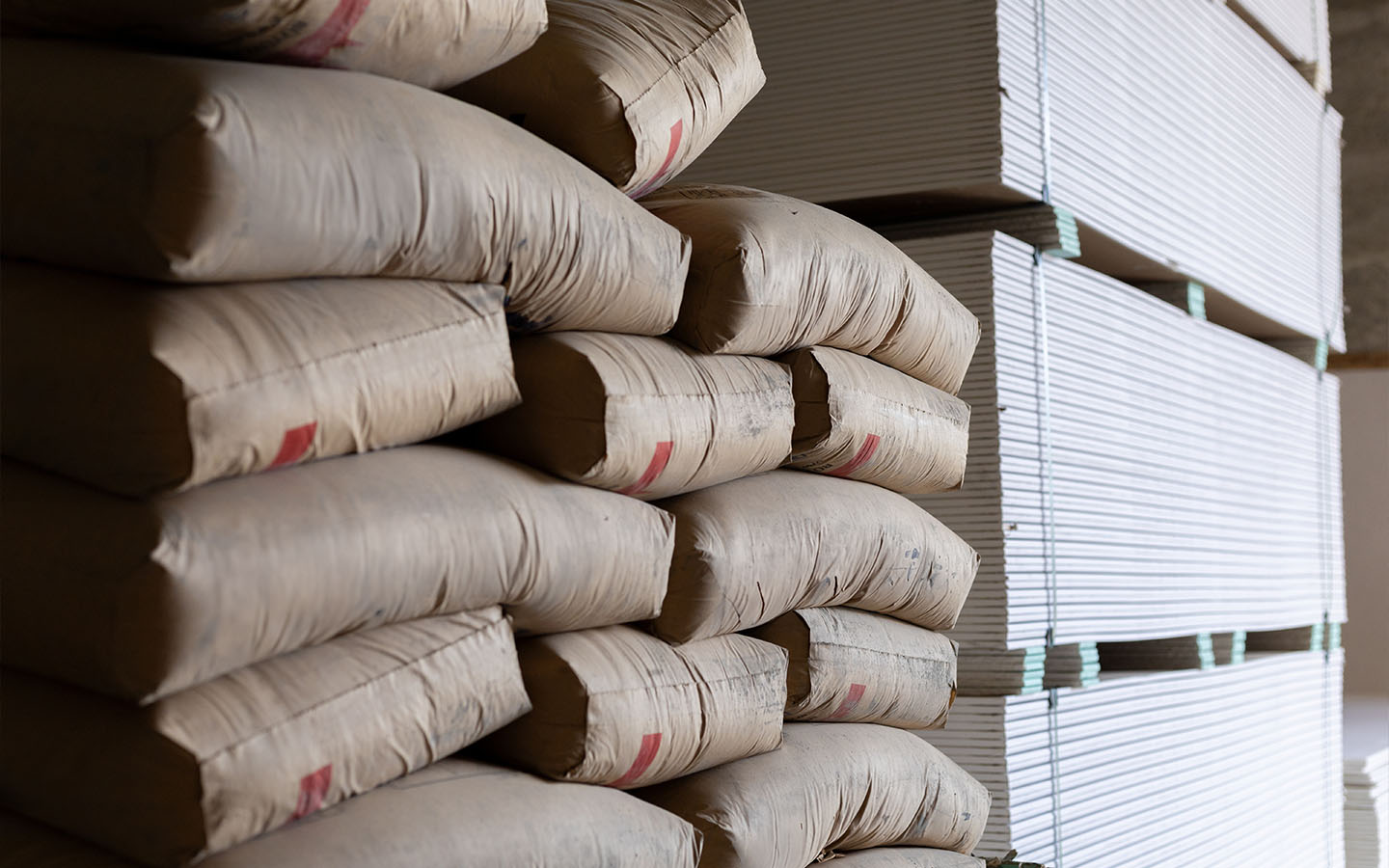
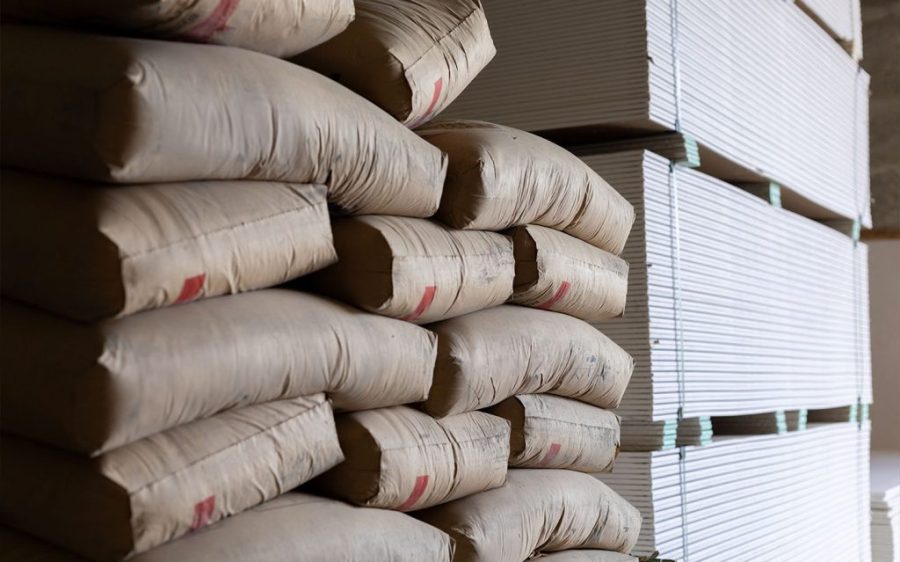
Impissa said that the “import restrictions include products such as bottled mineral water, pasta, Portland cement, maize flour, tiles and salt.” He provided no detail as to the duration, quantities or start date of these restrictions.
[See more: Lusophone exports to China fall in first 10 months of the year]
The move comes just two weeks after the Bank of Mozambique set a 6-million-metais (US$93,900) limit for payments made with bank cards abroad in an effort to contain capital flight. It applies to credit institutions subject to the bank’s supervision, as well as individuals and legal entities holding bank cards issued in Mozambique, regardless of whether they are residents or foreign exchange holders.
Exceeding the annual limit requires approval of a justified request, which must be submitted within five working days. The measure will remain in place for 12 months and failure to comply will be treated as a serious exchange control offense, subject to financial penalties.
The decision to limit certain imports “aims to promote the revitalisation of national production to replace non-essential imports and ensure a more efficient use of foreign exchange,” Impissa explained to the press, but some economic agents and importers fear these measures may have severe impacts on overall supply and fluidity of the national economy.