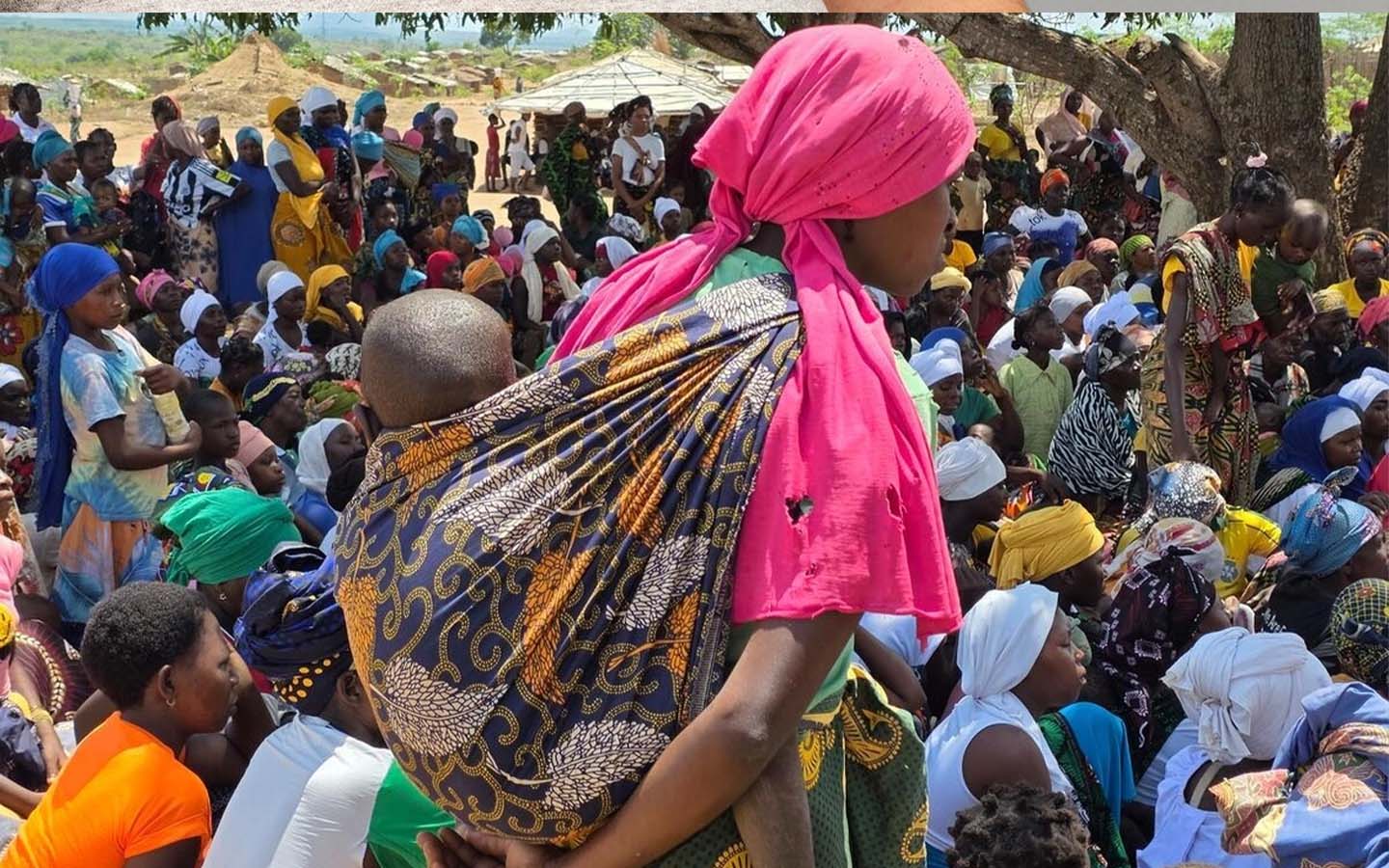
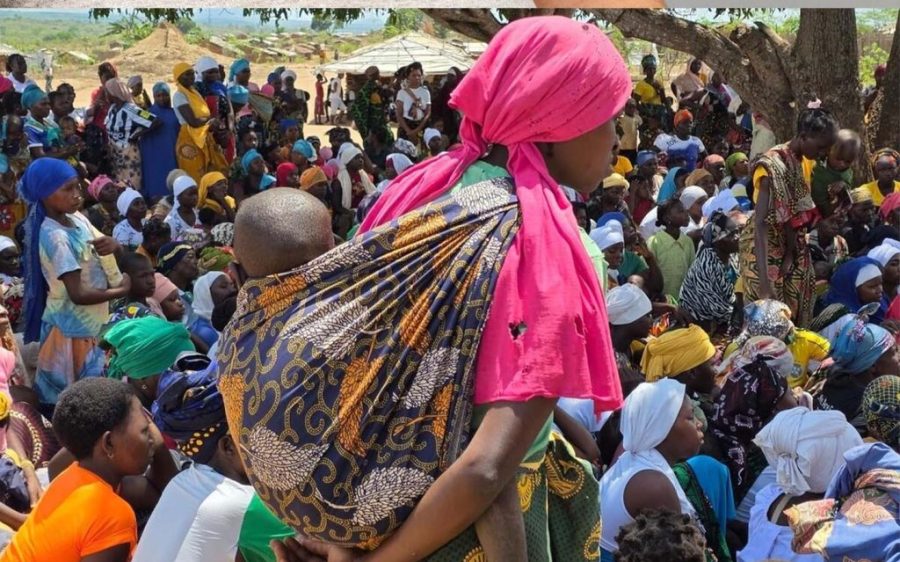
The United Nations (UN) has scaled up life-saving aid for 120,000 people displaced in Mozambique, as intensified insurgent attacks spread across the country’s northern provinces, reports UN News.
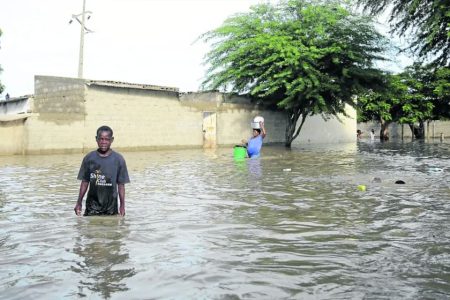
Nearly 100,000 people in northern Mozambique have been displaced in the last two weeks alone, according to the UNHCR, the UN Refugee Agency. Increased strikes on villages and the spread of attacks into previously safe districts have forced tens of thousands to flee their homes. Armed groups often strike at night, burning homes, attacking civilians and sending residents running into the dark, these often-chaotic escapes leading families to be separated and belongings left behind.
Even when they reach safe areas, UNHCR noted, they face acute risks – limited access to shelter, safe water, food, healthcare and sanitation services. Children account for more than two-thirds of those displaced, followed by women, increasing the risk of exploitation or abuse.
The day after the UNHCR report, the UN allocated US$6 million toward life-saving assistance for 120,000 people displaced by the violence.
[See more: Over 50,000 flee terrorist violence in Mozambique]
The funds were allocated from the Central Emergency Response Fund (CERF) under the direction of emergency relief coordinator Tom Fletcher to support UNHCR’s response to the escalating violence in Nampula Province.
Since the beginning of the insurgency in 2017, more than 1.3 million people have been displaced, most from Mozambique’s northernmost province Cabo Delgado. “The situation has sharply worsened since mid-November as conflict spreads,” said UN Spokesperson Stéphane Dujarric, hitting previously safe districts in Nampula, which have hosted displaced people from neighbouring Cabo Delgado in previous years.
CERF funding will prioritise water, sanitation and hygiene services, hopefully preventing the ongoing cholera outbreak from exploding among the displaced population. It will also provide essential household items, shelter, protection and livelihood support. More funding is needed, though, UNHCR reporting it will require US$38.2 million in 2026 to meet rising needs across northern Mozambique. Funding for 2025 stands at only half the required amount.
Inadequate response and overcrowded shelters have even led some to return to very unsafe areas despite the risk. “They felt they couldn’t stay any longer,” lamented Xavier Creach, the UNHCR representative in Mozambique, “and they had no option but to return.”