Timor-Leste and the Asian Development Bank (ADB) signed a US$78 million agreement on Monday aimed at rehabilitating a vital segment of the national road network, reports the Portuguese newspaper O Jornal Económico.
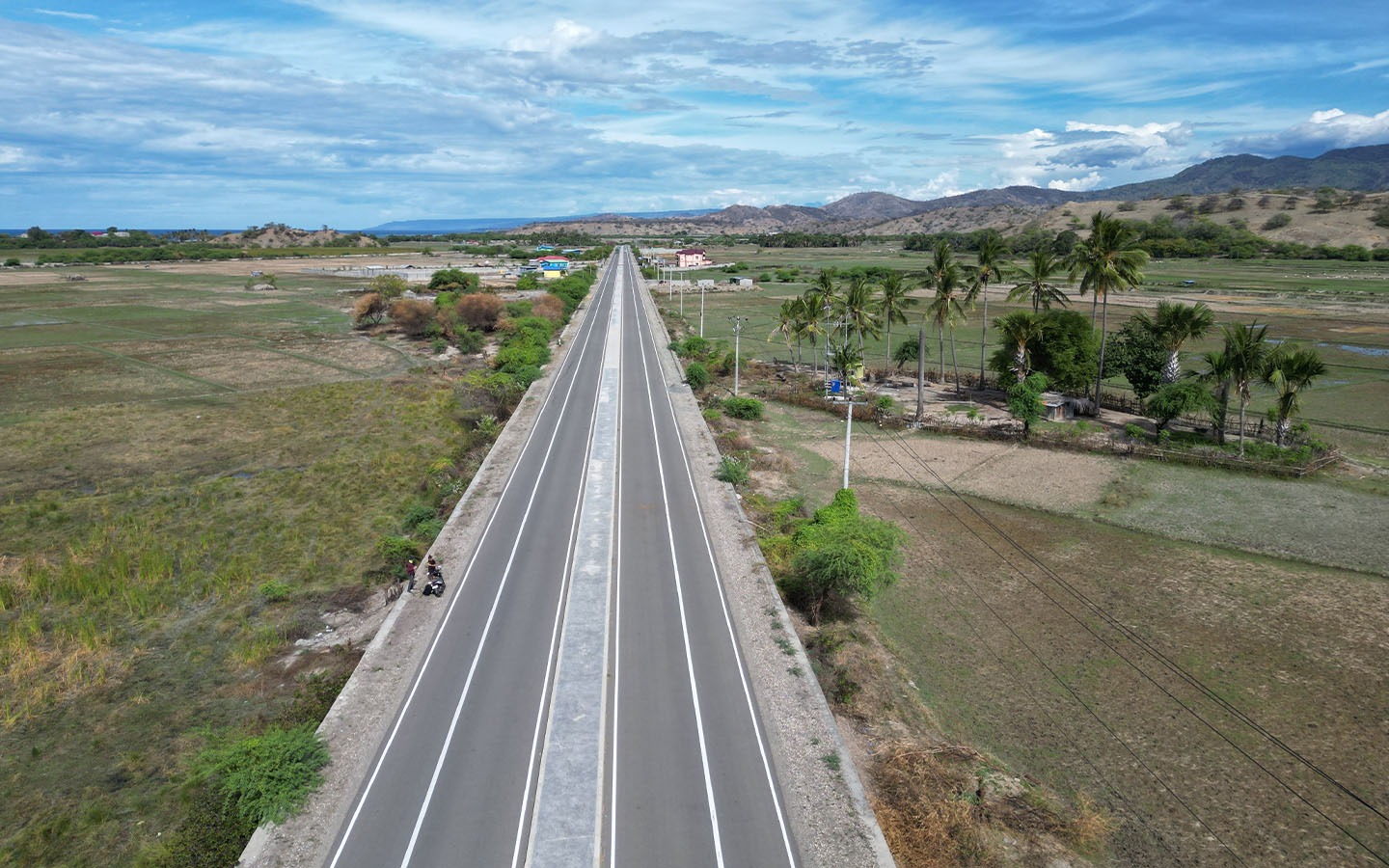
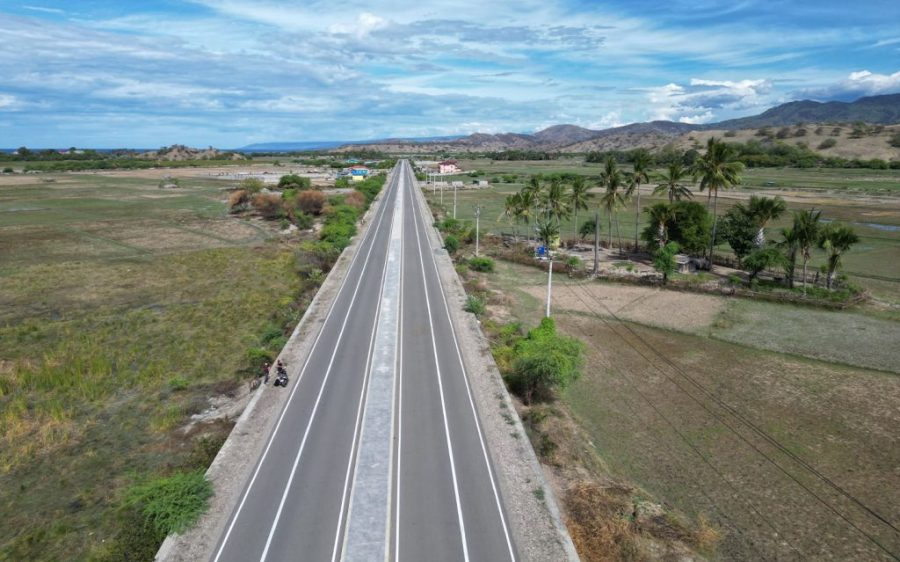
The bulk of the agreement, a US$75 million loan, will go toward upgrading around 42 kilometres of priority national roads between Lospalos and Iliomar, on the southern coast, and rehabilitating three critical bridges along the northern Baucau-Lautem corridor in Seical, Borouai and Malailada. Detailed engineering designs will also be prepared for two more bridges in the north, Verucoco and Laga.
“The rehabilitation of the 42‑kilometer road between Lospalos and Iliomar not only directly benefits the communities along the route, but is also part of the north–south road corridor that connects Lospalos to Viqueque, contributing to the government’s vision of a continuous road network throughout the territory,” finance minister Santina Cardoso said in a statement.
[See more: Timor-Leste’s new budget aims to ‘transform the economy’ with targeted investments]
Communities will also have a hand in building infrastructure resilience through a US$3 million grant included in the agreement. Provided under the ADB Community Resilience Partnership Program, the grant is financed by the Agence Française de Développement, the Green Climate Fund, the Nordic Development Fund, and the governments of Ireland and the UK.
It will help villages along the road corridor co-lead the implementation of locally relevant, small-scale adaptation investments aimed at mitigating risks from extreme weather events. Upgrades like improved drainage systems, elevated embankments, natural hazard-adapted asphalt and bioengineered slopes will make communities safer while offering more efficient and reliable regional road connections.
“Building community resilience is essential to safeguarding lives and livelihoods in the face of disasters and climate events,” ADB Country Director for Timor-Leste Stefania Dina said in a statement. “This project will empower local communities to take the lead in developing sustainable, adaptive solutions that protect critical infrastructure and support inclusive development.”