Brazil welcomes a recent US Supreme Court decision partially overturning tariffs imposed by President Donald Trump, reports Portuguese public broadcaster RTP Notícias.
“It is a very important decision” that “strengthens the commercial relationship between Brazil and the US,” Brazilian Vice President Geraldo Alckmin, who also serves as minister of industry and commerce, told reporters in Brasília on Friday.
US President Donald Trump suffered a stinging defeat Friday when the court upheld a lower court decision that his use of the International Economic Emergency Powers Act (IEEPA) of 1977 exceeded his authority. Brazil was among the hardest hit by Trump’s trade war, slammed with tariffs of up to 50 percent in retaliation for the prosecution of former president Jair Bolsonaro, convicted last year for planning a violent coup.
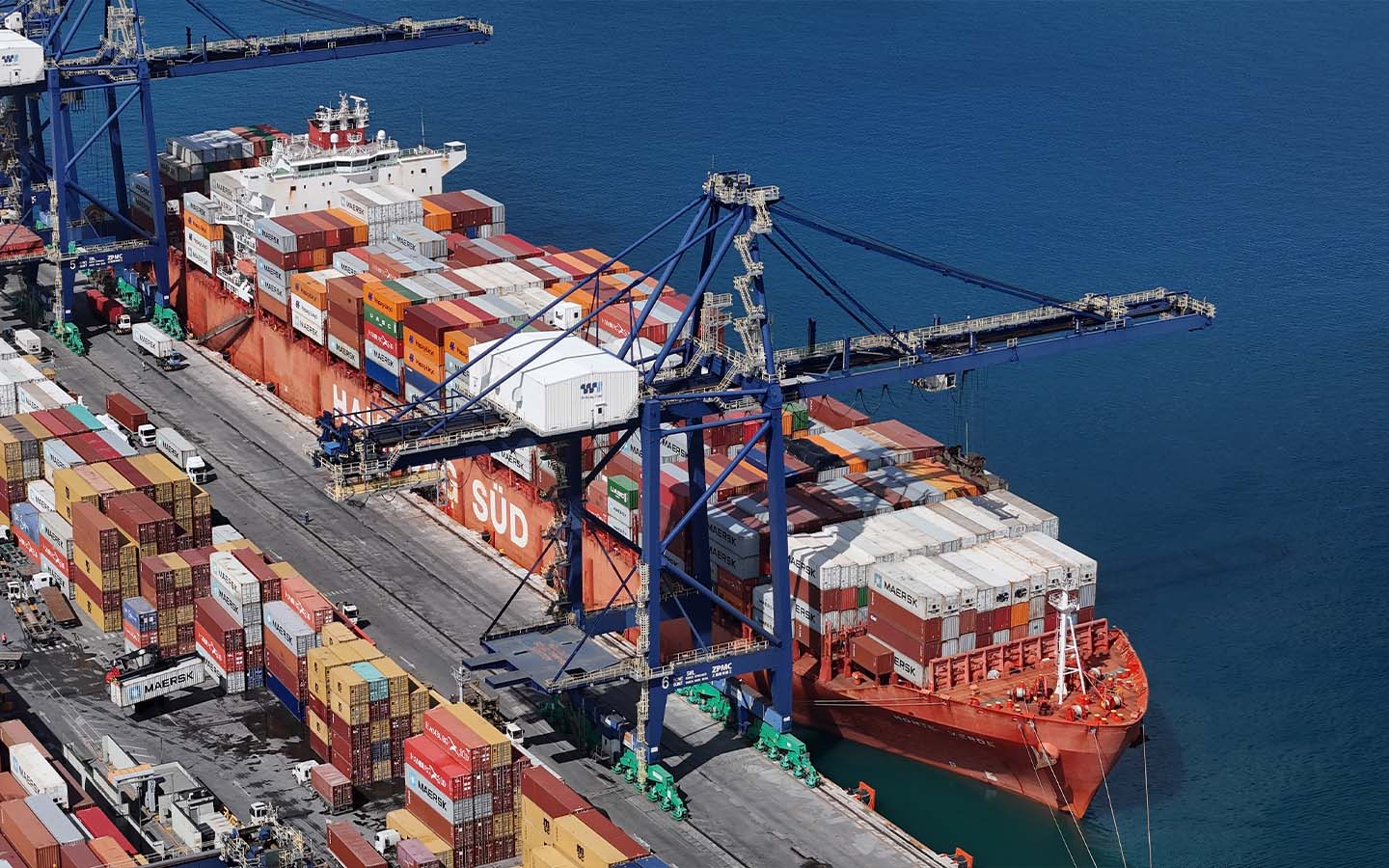
According to calculations by Brazil’s National Confederation of Industry, based on 2024 data from the United States International Trade Commission, the US Supreme Court’s decision impacts the equivalent of US$21.6 billion in Brazilian exports to the country.
Alckmin urged caution as ramifications of the ruling unfold. Trump responded to the court’s decision by threatening to use a different law to impose a 10-percent global tariff within three days; he then upped the ante to 15 percent.
[See more: China reaffirms commitment to Brazil and to global stability]
Denied the swift, blunt instrument of IEEPA, Trump has quickly pivoted to a different law: the Trade Act of 1974. While the law allows Trump to reimpose some sweeping tariffs, it sets limits on the rate and duration. Tariffs cannot exceed 15 percent or remain in place for more than 150 days, at which point a congressional vote is required to extend the measures.
For Brazil, though, the across-the-board tariff is a marked improvement. “Brazil had an additional 40 percent tariff that no one else had,” Alckmin told journalists in Brasilia. “That was the problem. We were effectively losing competitiveness.”
Alckmin noted that “there are many doubts” about the scope of the new customs tariff, but insisted that Brazil would continue negotiations with Washington. Any type of compensation resulting from the ruling, he said, will be “a business matter” that will depend on the affected companies.