A new multi-phase initiative seeks to create “healthy schools” across the country with a comprehensive wellness approach, reports China Daily.
The guidelines, issued by the Ministry of Education in late February, aim to integrate a “health first” philosophy into the educational system. Rolled out in three phases, the first calls for the establishment of pilot healthy schools to be completed by 2027, providing evaluation standards and effective models to scale the work. By 2030, the “health first” education concept will be rolled out widely, aiming to significantly improve school health education, and students’ health status, in every school. The final phase envisions universal establishment of higher-quality healthy schools by 2035.
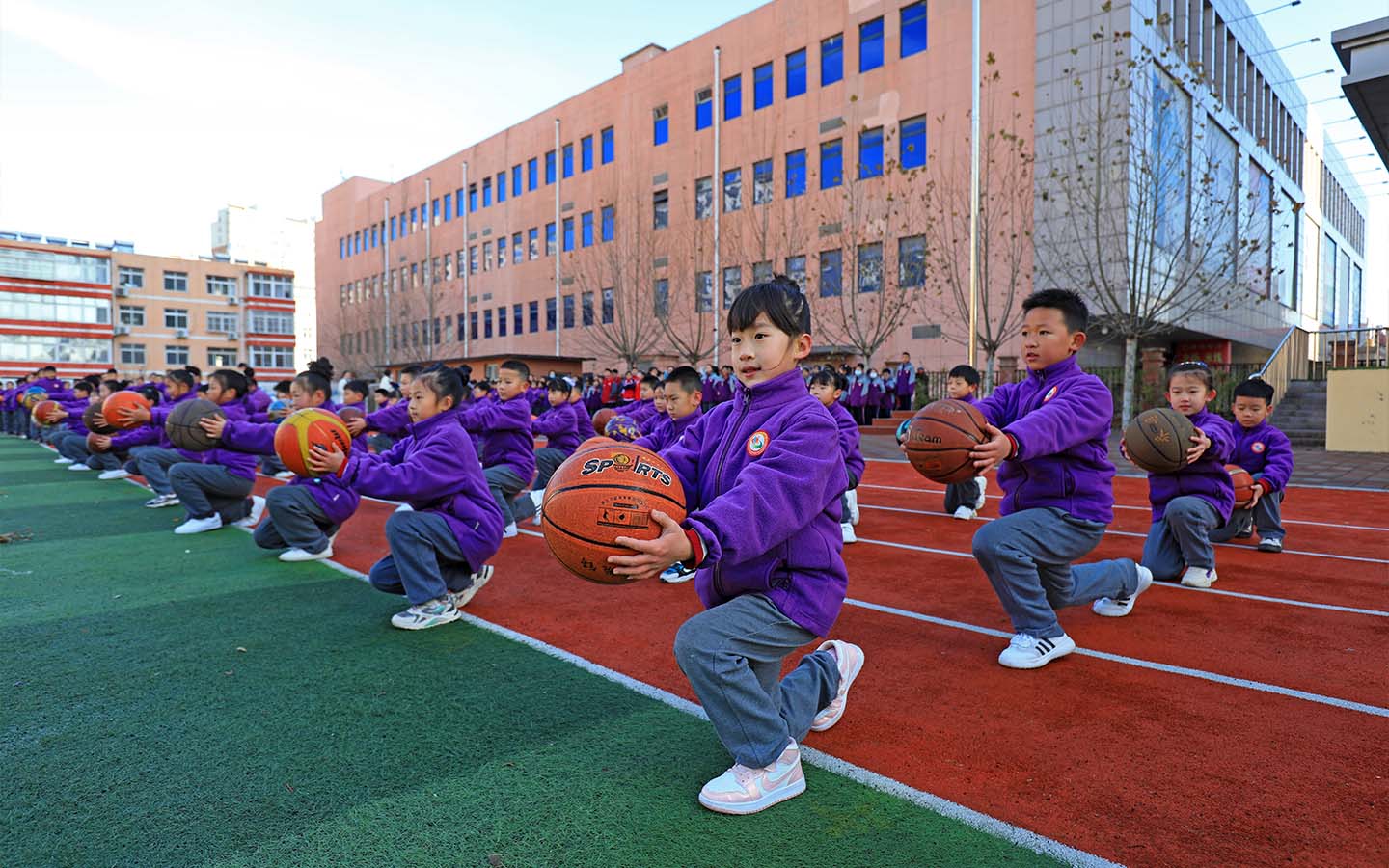
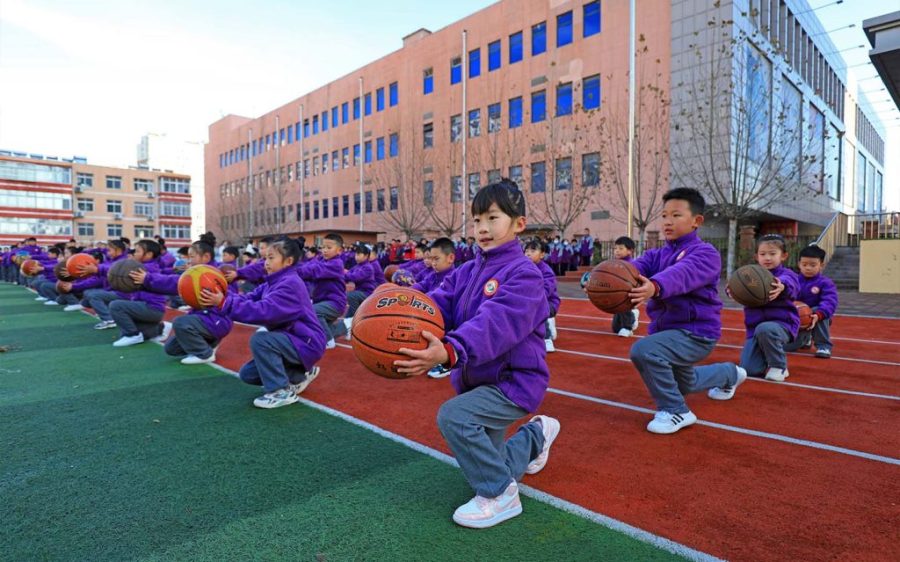
To realise this ambition, the guidelines outline eight key tasks for building healthy schools, beginning with strengthening physical education. All primary and secondary students will be required to engage in at least two hours of comprehensive physical activity daily and schools will introduce 15-minute breaks between classes. A separate action plan will tackle improving physical fitness among university students.
[See more: Lack of sleep and exercise is harming Macao’s students]
The guidelines also prioritise students’ mental health, including accelerating the construction of a comprehensive school-wide mental health education system, and establishing student mental health monitoring and early warning systems.
To tackle the growing issue of myopia, the guidelines emphasise prevention and control, playing close attention to the key stages of kindergarten and primary school. Prevention and control will also be applied to effective weight management, implementing balanced school meals, home-school collaboration and coordinating “exercise prescriptions” with dietary guidance.
Food safety is another key task, requiring strict regulation of campus catering management and improved training, equipment and additional personnel to ensure safe, nutritious food. The final task focuses on strengthening life safety education, through new curriculum, equipment, and popularisation of emergency rescue knowledge and skills.
The core of the guideline lies in shifting schools from a score-first to a health-first approach, explained Ma Jun, professor at the School of Public Health at Peking University. Building healthy schools, he said, is not only crucial for the holistic development of individual students but also vital for the future of the nation.