
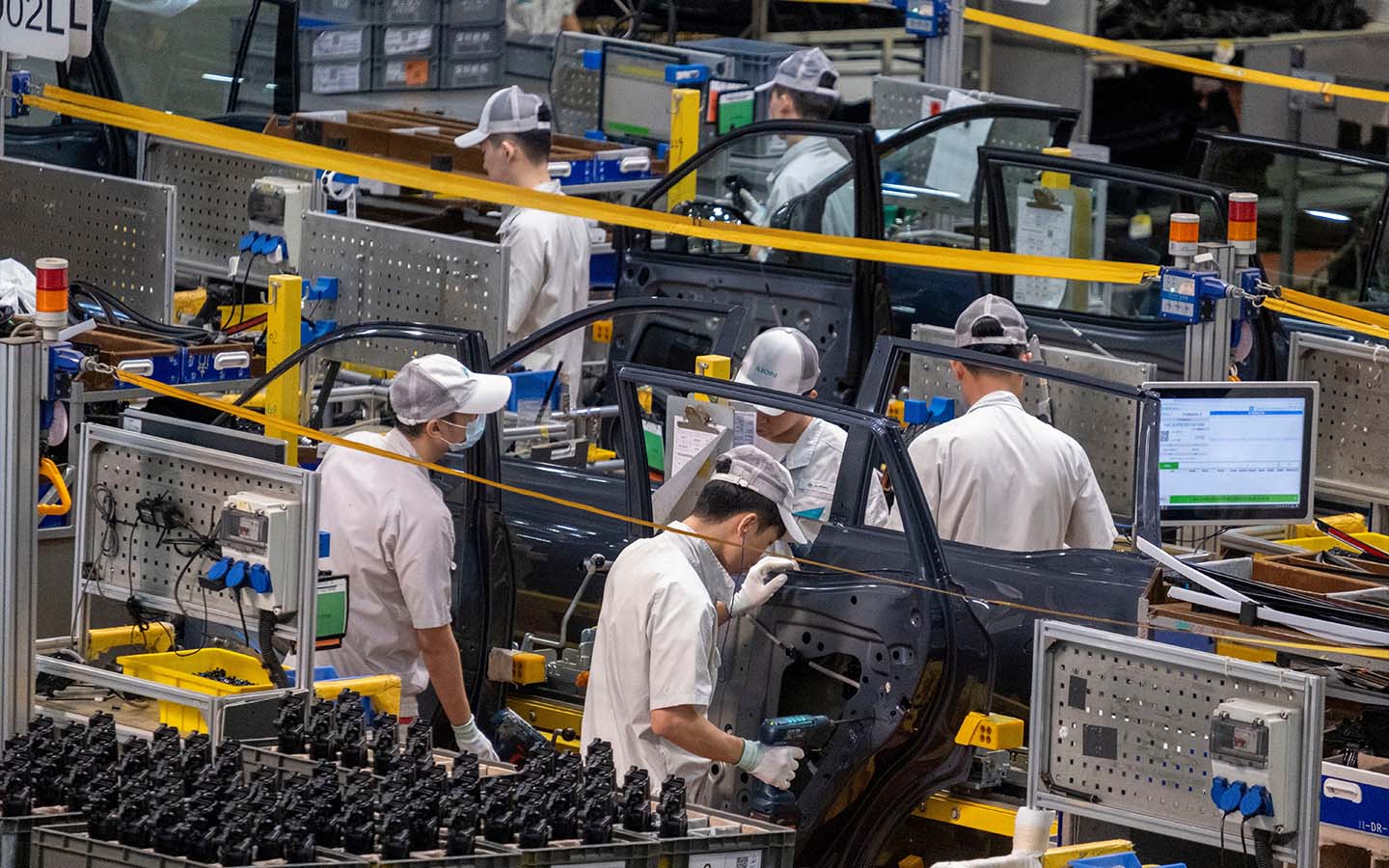
China’s economy has entered 2026 with more momentum than many analysts expected, as the latest official data show industrial production picking up and investment returning to growth in the first two months of the year.
Figures from the National Bureau of Statistics indicate that factory output rose 6.3 percent year on year in January‑February, up from 5.2 percent in December and the fastest pace since September 2025, comfortably beating market forecasts.
The same data set showed fixed‑asset investment expanding 1.8 percent from a year earlier, compared with a 3.8 percent full‑year decline in 2025 that marked the first annual drop in about three decades. Infrastructure spending was a particular bright spot, rising about 11 percent as policy support – including new bank financing tools for key projects – began to feed through to construction and equipment demand.
Export data for the period also surprised on the upside, buoyed in part by strong orders for AI‑related technology and upstream manufacturing products.
[See more: China bets on AI to create jobs and revive growth]
Economists say the numbers suggest that earlier support measures and external demand have helped stabilise growth after a difficult 2025, when the property downturn and cautious households weighed heavily on activity. They provide some breathing room as Beijing targets GDP growth of 4.5 to 5 percent this year, in line with the government work report delivered at the recent Two Sessions meetings and the broader shift toward what officials call “high‑quality development.”
However, analysts and official commentary alike caution that the early‑year strength masks structural vulnerabilities. Retail sales and household borrowing remain subdued, underlining the challenge of shifting to a more consumption‑driven model, while the property sector continues to drag on confidence and local government finances.
Geopolitical tensions and disruptions to global trade and energy markets – including the conflict in the Middle East – add further uncertainty, even as solid export and industrial readings show that China still entered 2026 on a firmer footing than many had anticipated.