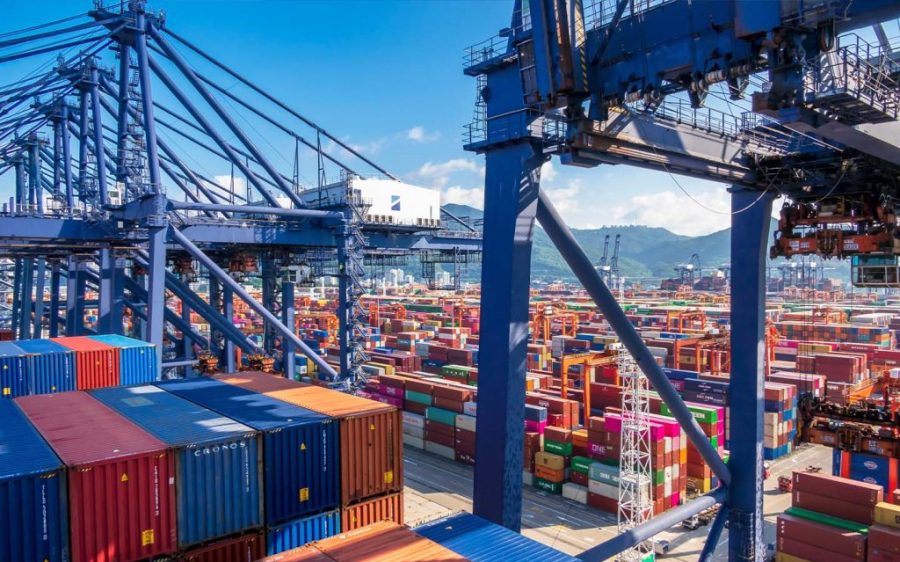
China recorded its largest-ever trade surplus in 2025, despite US tariffs seriously scaling back a once-major export market and a sluggish domestic economy, multiple media outlets report. Official data released this week showed the new high was driven by strong overseas demand in emerging markets and limited import growth.
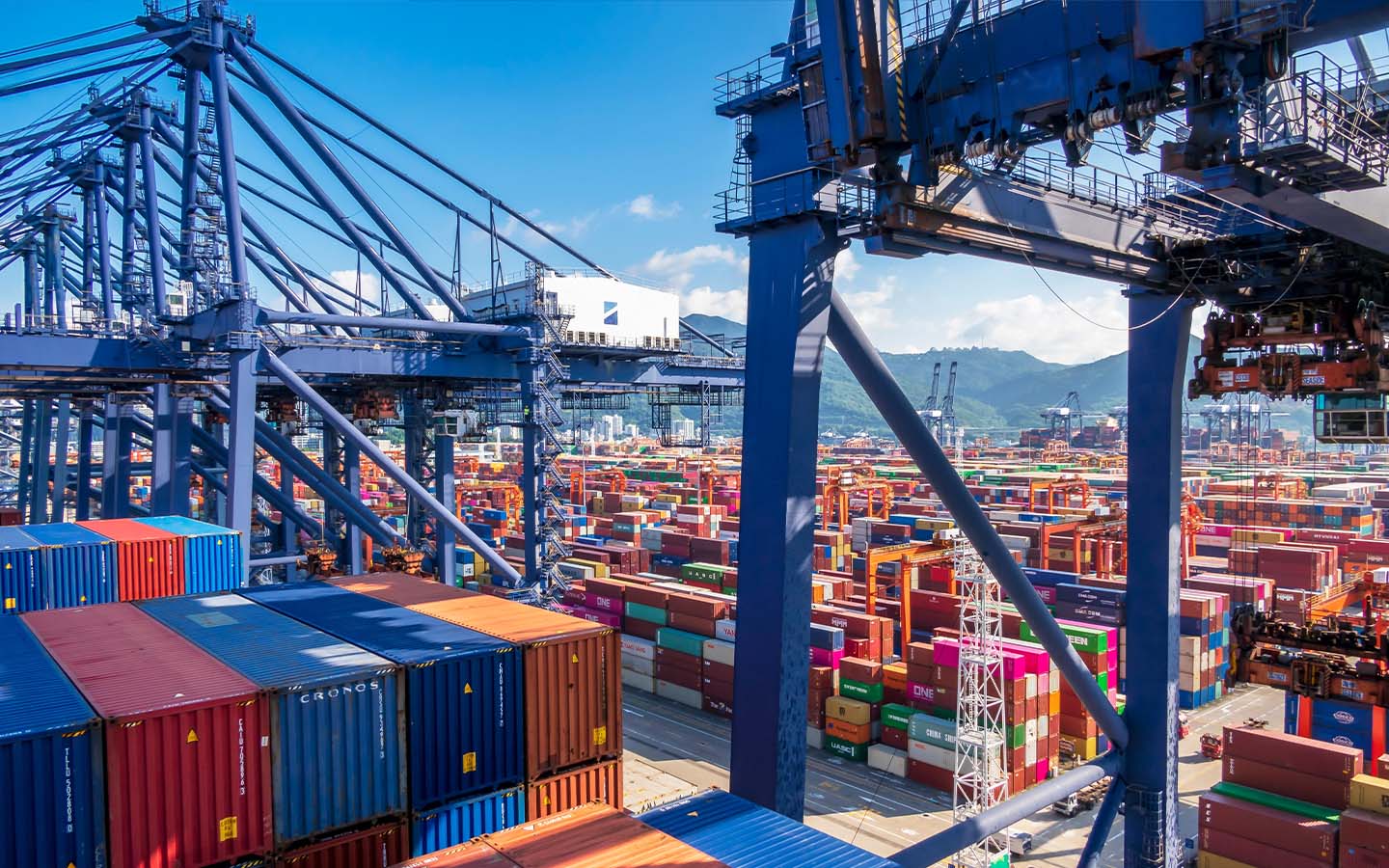
According to China’s General Administration of Customs, total foreign trade rose 3.8 percent year-on-year to 45.47 trillion yuan (US$6.48 trillion) in 2025, marking the ninth consecutive year of growth. Exports climbed 6.1 percent to 26.99 trillion yuan, while imports edged up just 0.5 percent to a record 18.48 trillion yuan.
The numbers pushed China’s full-year trade surplus to US$1.19 trillion, up 20 percent year-on-year and the highest ever recorded globally. Monthly surpluses exceeded US$100 billion seven times during the year, with December alone posting a surplus of US$114.14 billion – boosted by exports to the European Union (EU), Southeast Asia, Africa and Latin America.
[See more: China and EU have agreed a new tariff deal on electric vehicles]
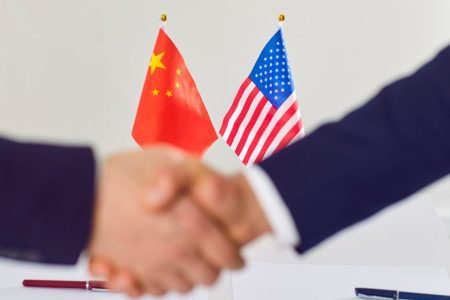
While exports to the US fell by almost 30 percent due tariffs imposed by President Donald Trump, Chinese exporters managed to offset much of the loss by expanding sales to other markets. Customs officials said exports of green technology, artificial intelligence-related products and robotics performed particularly strongly.
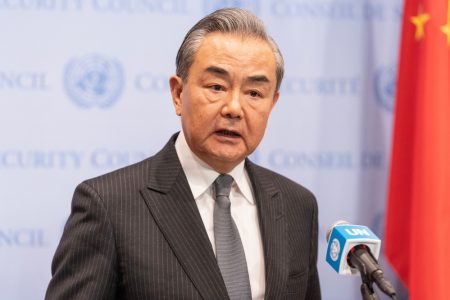
Wang Jun, deputy head of the General Administration of Customs, described the results as “extraordinary and hard-won” in a turbulent year for the global economy. At a press conference in Beijing, he noted that “Trade partners are more diversified, and the ability to resist risks has significantly increased.”
Analysts noted that negligible import growth and a weak yuan also played key roles in widening the surplus. Subdued consumer spending – a symptom of the country’s sluggish property market – coupled with Beijing’s push for industrial self-reliance resulted in little demand for foreign goods, while exchange rates worked to make Chinese goods less expensive overseas.