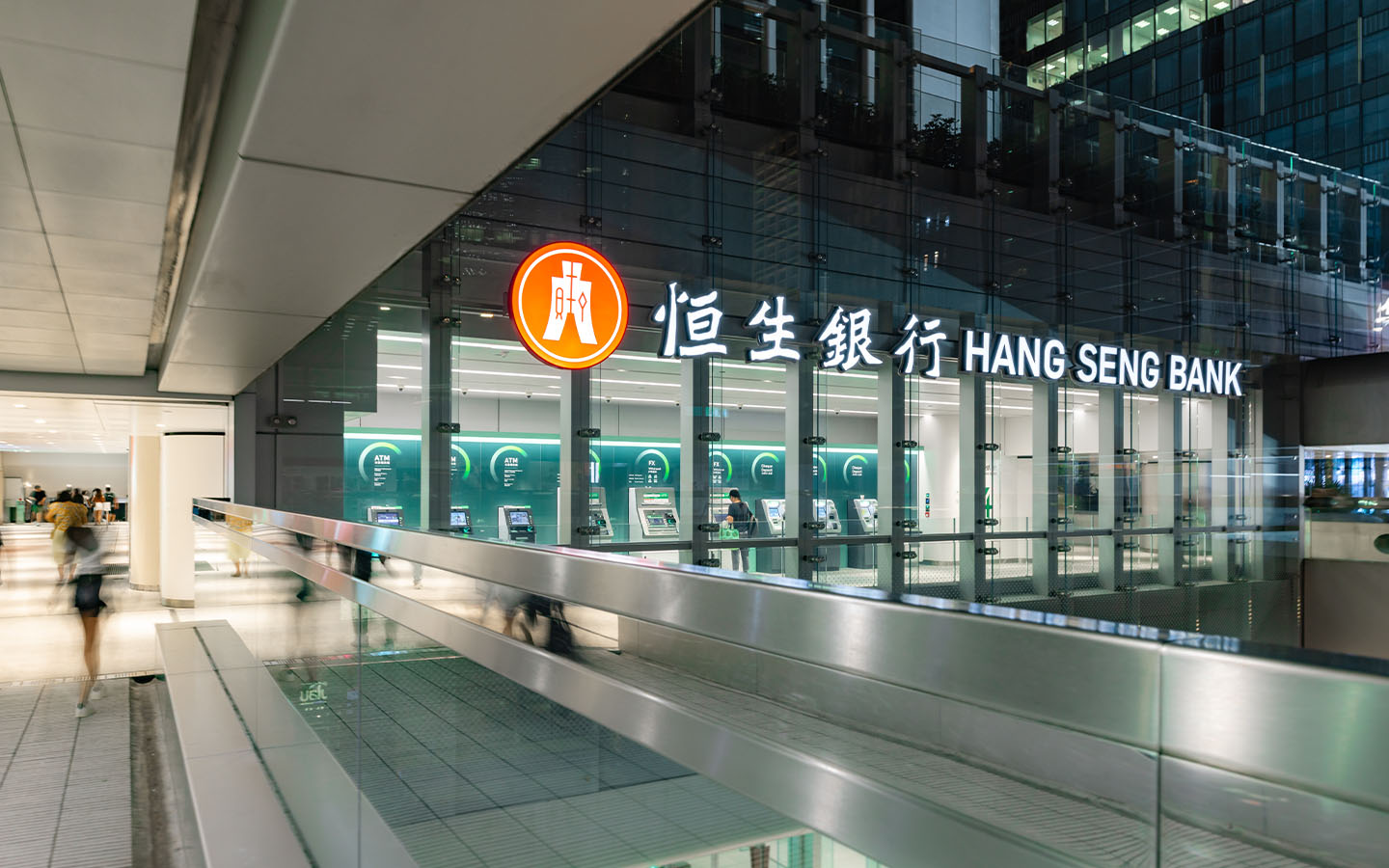
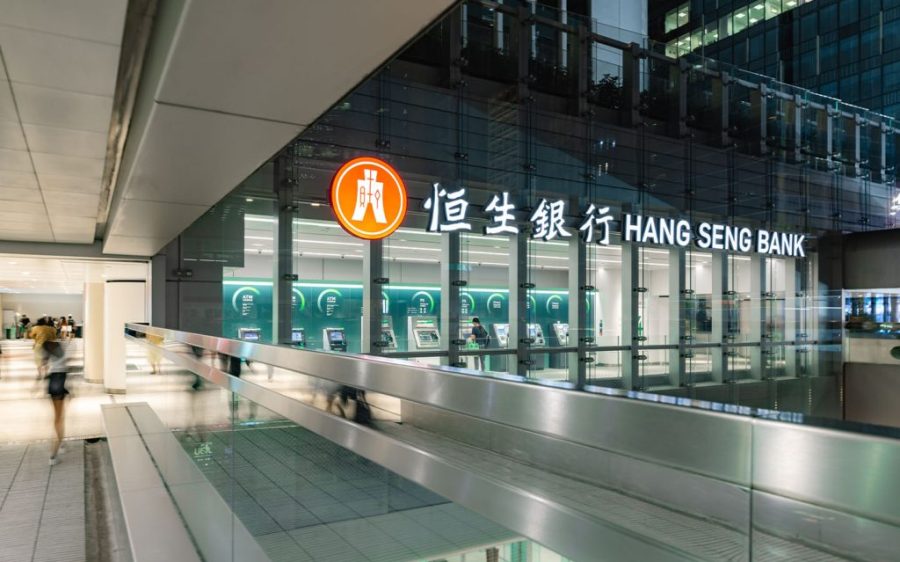
Shareholders of Hong Kong’s Hang Seng Bank have approved HSBC Holdings’ proposal to take the lender private in a deal valued at nearly US$14 billion, the South China Morning Post reports. The move marks a major shift in Hong Kong’s banking landscape.
At a shareholder meeting on Thursday, 85.75 percent of independent votes cast supported the offer, exceeding the required 75 percent approval quota. The vote excluded HSBC’s existing 63 percent stake in Hang Seng Bank.
Afterwards, HSBC CEO Georges Elhedery said the result reflected “strong confidence in Hang Seng Bank’s franchise and in the opportunities that full ownership within the HSBC Group can unlock.”
The deal will see HSBC pay HK$155 per share, a 30 percent premium on Hang Seng Bank’s closing price before the bid went public in October. Hang Seng Bank will be removed from its namesake stock index after market close on 14 January, having been listed since 1972.
[See more: HSBC privatisation of Hang Seng Bank: How the deal affects your money and shares]
HSBC has said the privatisation would allow closer integration between the two banks, including increased investment in technology, talent and risk management.
The group has stressed that Hang Seng Bank will retain its brand, branch network, board and banking licence under Hong Kong’s banking regulations. It has said it would not lay off Hang Seng staff as part of the change in ownership.
The deal comes amid pressure on Hang Seng Bank from rising bad loans linked to Hong Kong and the mainland’s property sectors. The bank’s credit-impaired real estate loans rose 85 percent year-on-year to HK$25 billion as of June 2025, with its non-performing loan ratio reaching 6.7 percent.
Since the buyout announcement, Hang Seng Bank shares have risen by almost 30 percent, while HSBC shares have gained more than 12 percent.