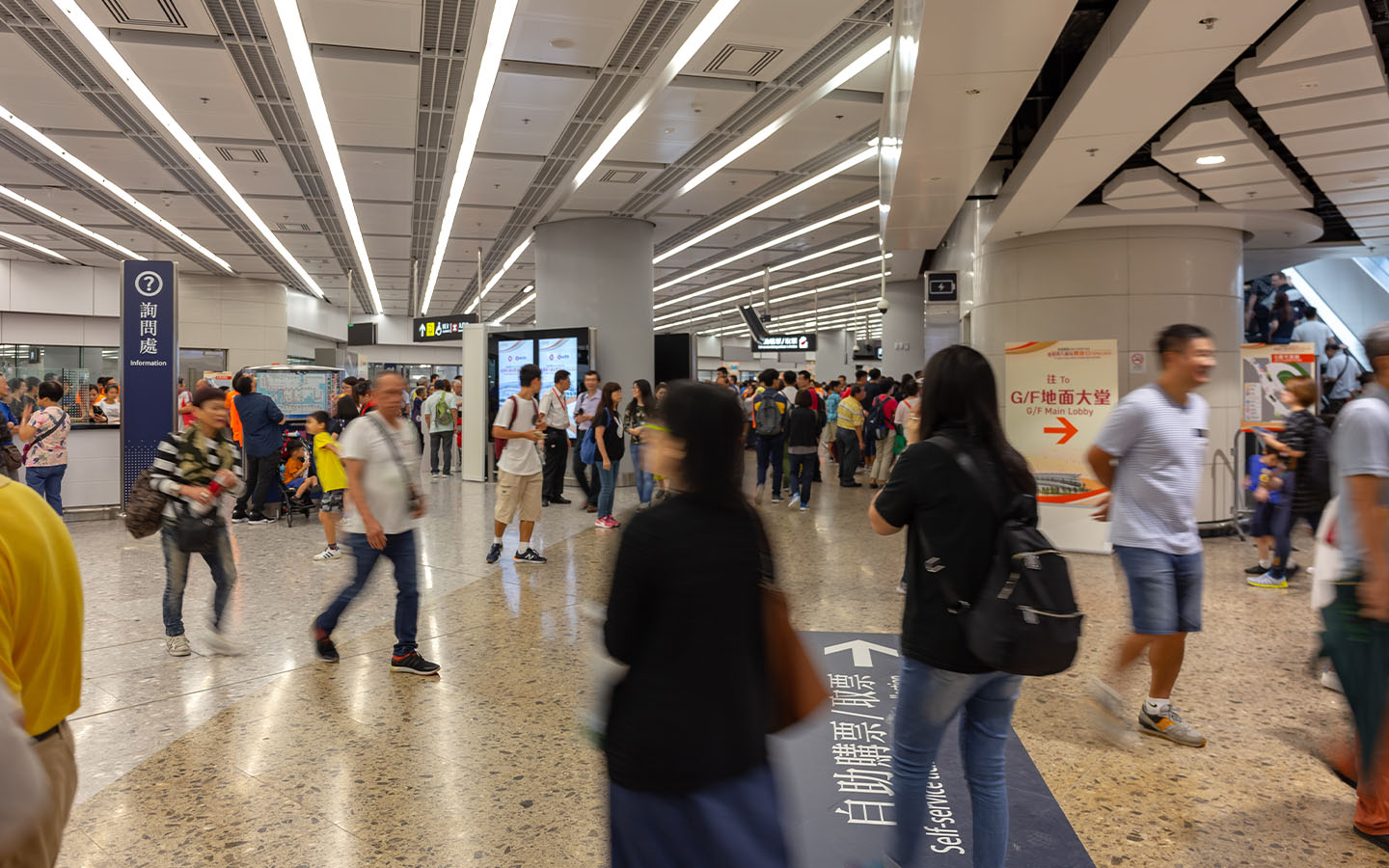
Hong Kong’s border checkpoints were operating at full capacity yesterday, as the mainland’s nine-day Lunar New Year break got underway, according to multiple media reports.
The expected influx comes as the city experiences a substantial rise in inbound tourism at the start of 2026, logging 7.23 million arrivals since the beginning of the year or a 9.6 percent increase compared with the same period last year. Overseas visitors showed an even sharper rise of 16.4 percent.
Financial Secretary Paul Chan anticipates a strong performance for the holiday period, estimating 1.43 million mainland Chinese visitors, an increase of six percent from the previous year. Writing on his weekly blog, he said that numerous mega-events scheduled throughout the holiday were an effective lure.
Immigration authorities meanwhile recorded more than 240,000 total arrivals by 4 pm on Sunday, with nearly 113,000 of them coming from the mainland. The influx of over 100,000 mainland tourists in the first day of the festive period is considered the first significant stress test of Hong Kong’s border infrastructure since all pandemic-era restrictions were fully lifted.
[See more: 2025 figures show Macao visitors spending more on non-gaming activities]
Arrivals surged at key land crossings, including Lo Wu, Lok Ma Chau, and Shenzhen Bay, as well as the West Kowloon high-speed-rail terminus. Hong Kong International Airport handled the majority of long-haul visitors.
To manage the high volume, immigration officers have been redeployed to front-line counters and extra e-Channels opened, helping to keep queues below 30 minutes. Travellers noted the speedier process; a person surnamed Zhao, arriving via the high-speed rail, reported clearing formalities in just 20 minutes, significantly less than the one-to-two hours they had anticipated.
Tour groups from regions including Guangdong, Guangxi, and Xinjiang also reported a smooth experience, with formalities taking 15–20 minutes – half the time they previously allowed.
One tourist from Xinjiang, surnamed Tang, travelled via Shenzhen before taking the high-speed rail to West Kowloon. They told local media they planned a five-day stay to watch the fireworks, the float parade, and visit a temple to pray for good fortune in the Year of the Horse.