
Macao’s long-mooted ambition for a direct air link to Lisbon resurfaced this week during a debate at the Legislative Assembly concerning transport and public works, multiple local outlets reported.
Lawmaker Ip Sio Kai questioned how Macao could continue to promote itself as a Sino-Lusophone platform while lacking a single direct route to Portugal’s capital. He described such a route as “very useful” direct access to Europe and a possible stopover to Brazil.
Civil Aviation Authority head Pun Wa Kin replied that while the government “places great importance” on aviation development, airlines decide their routes based on demand, costs, long-term returns and competitiveness – implying strong obstacles remain for Macao-Lisbon flights.
[See more: Macao and mainland drivers can now park at Hong Kong airport – and skip border controls]
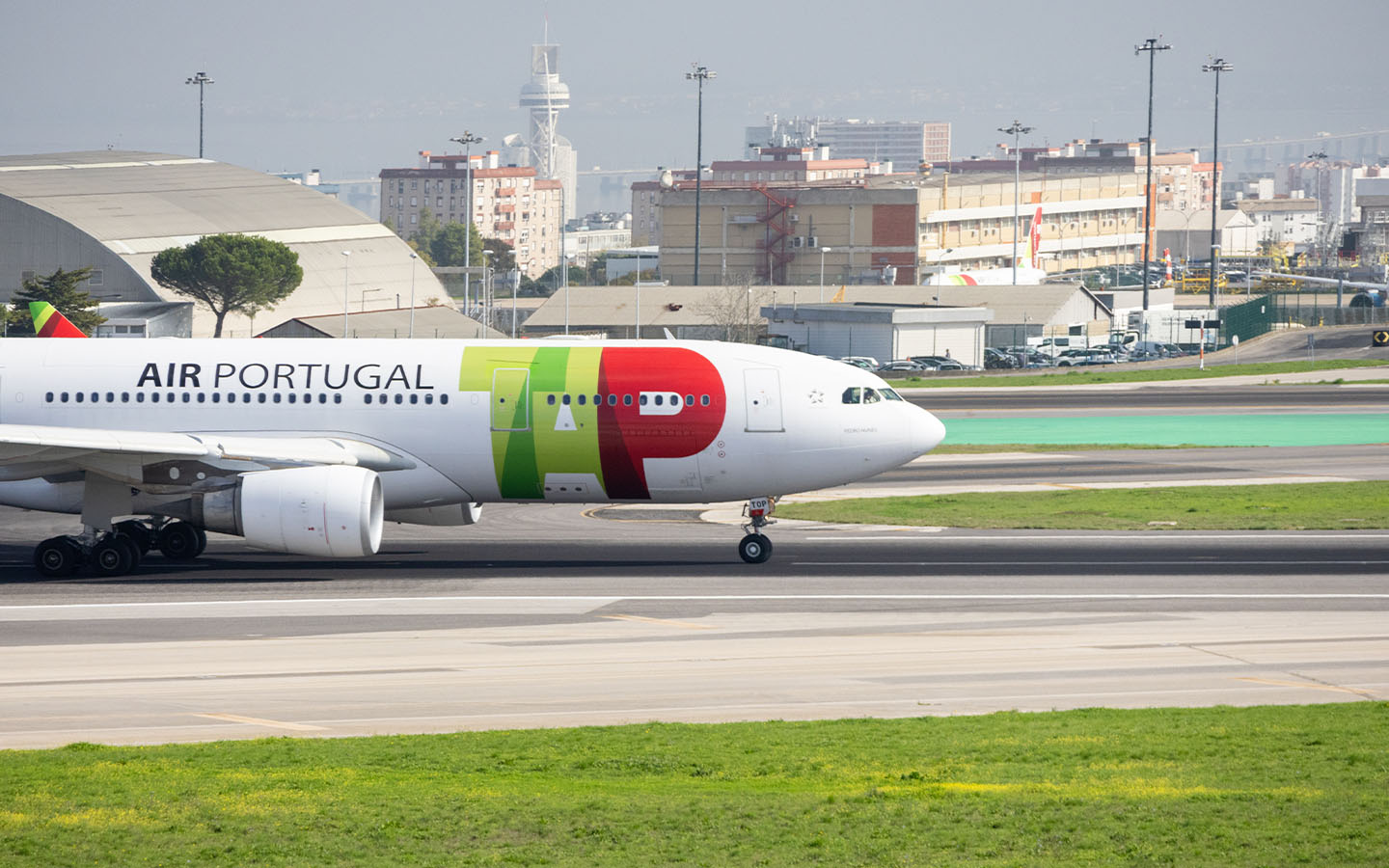
Speaking separately to Jornal Tribuna de Macau, Portugal’s infrastructure secretary Hugo Espírito Santo was blunt about the limitations on the Portuguese side: the country’s flagship carrier, TAP, doesn’t have aircraft capable of operating a non-stop Lisbon to Macao flight, making the route “manifestly impossible” for that airline at present.
He said a direct link could only emerge in the near future if another airline showed interest and if slot availability were resolved. But the project could gain traction with TAP in the long-term, he added, with the right private investors having more sway over management decisions.
Espírito Santo acknowledged strong travel demand from both directions – noting Macao’s sizable Portuguese community and Portugal’s rising popularity among Asian tourists – but cautioned that abundant indirect options via major hubs in the Greater Bay Area weakened the business case for a dedicated route.