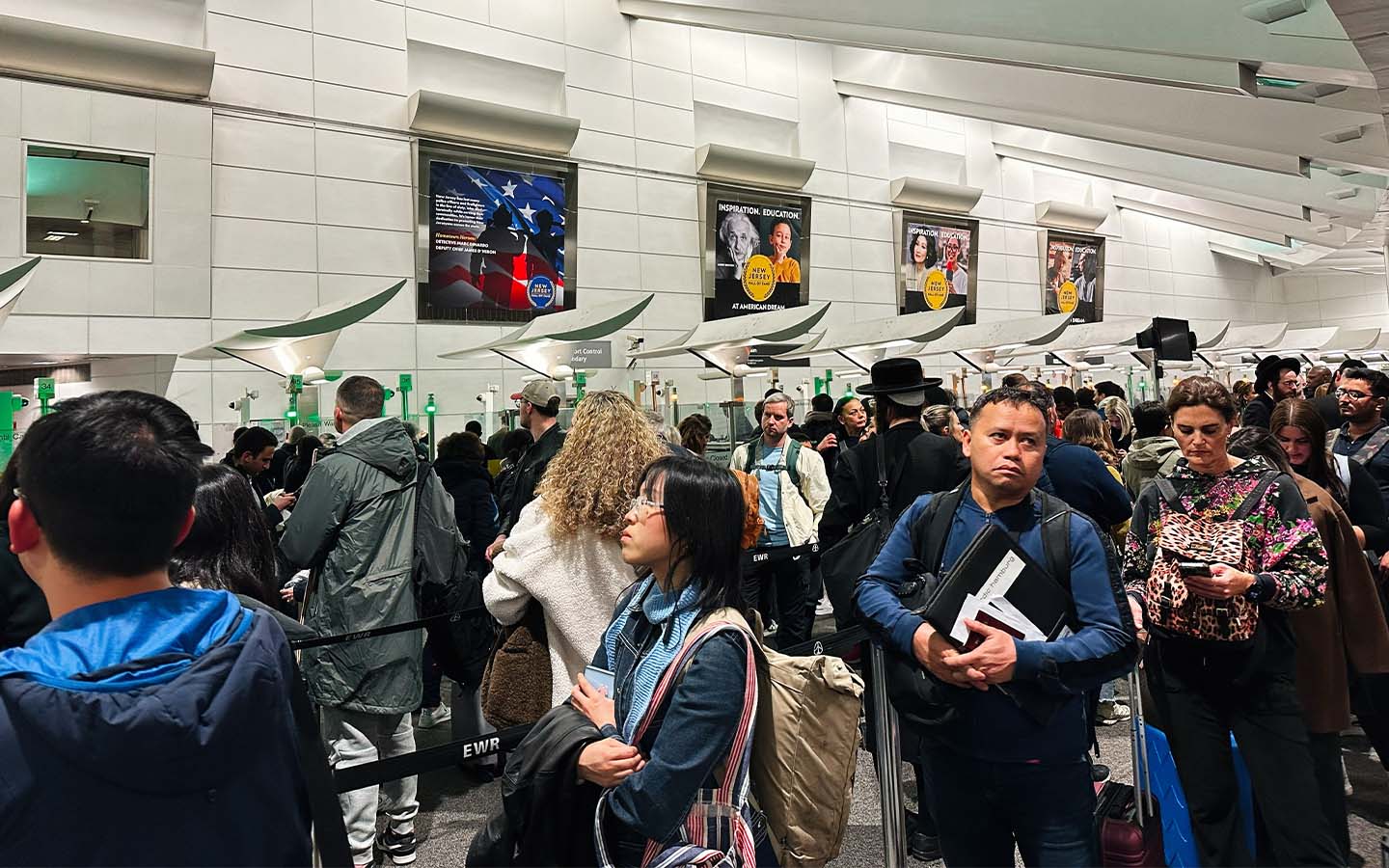
Under a newly proposed plan, tourists to the US would be forced to reveal years of their social media history, among other personal information and biometric data.
Detailed in a notice published on Tuesday – and reported by the Guardian – the new requirements would apply to the 42 countries whose nationals are currently able to enter the US visa-free, including close allies like Britain, France, Australia, Germany and Japan.
US Customs and Border Protection (CBP) would also require any telephone numbers used by travellers during the same five-year period and any email addresses used in the previous decade, as well as face, fingerprint, DNA and iris biometrics. The agency would also ask for the names, addresses, birthdates and birthplaces of family members, including children.
These changes to the Electronic System for Travel Authorization (ESTA) application, the agency explained, would be necessary in order to comply with an executive order issued by President Donald Trump on the first day of his new term. The order called for restrictions to ensure visitors to the US “do not bear hostile attitudes towards its citizens, culture, government, institutions or founding principles.”
[See more: Trump suggests moving 2026 World Cup games away from ‘unsafe’ US cities]
The new proposal comes as the US gears up to co-host the 2026 World Cup alongside Canada and Mexico. FIFA expects to attract 5 million fans to the games and millions more to the host countries during the month-long event – but the question now is how many will be deterred by stringent new rules.
Minky Worden, director of global initiatives at Human Rights Watch, called on football’s governing body to push for an immediate reversal of the policy, characterising it as a violation of FIFA’s human rights policies and “an outrageous demand that violates fundamental free speech and free expression rights.”
“Freedom of expression and the right to privacy are universal human rights. No football fan surrenders those rights just because they cross a border,” Ronan Evain, executive director at Football Supporters Europe, told Politico. “This policy introduces a chilling atmosphere of surveillance that directly contradicts the welcoming, open spirit the World Cup is meant to embody, and it must be withdrawn immediately.”
A CBP spokesperson dismissed concerns, saying it’s “simply the first step in starting a discussion” rather than “a final rule.” The US public now has 60 days to comment.