Pioneering travel guide Fodor’s released its No List 2026, dubbed a “a reality check wrapped in responsible wanderlust,” naming eight destinations to reconsider visiting in the coming year.
From the fragile, icy ecosystem of Antarctica to the historic cobblestone streets of Montmartre to the vibrant sprawl of Mexico City, some of the most attractive tourist destinations in the world made this year’s list.
Despite the title, the annual list isn’t intended to dissuade every potential traveller from visiting these destinations. Rather it works to highlight places where tourism exerts unsustainable pressure on the environment and communities, and nudges travellers toward making more considered choices.
While Fodor’s Travel Guide uses the annual list to shine a spotlight on specific destinations, it cautions that issues with overtourism, threatened ecosystems and struggling communities will be “faced by just about any destination that prioritises tourism above all else.”
Some destinations made it onto the list thanks to natural wonders that both attract visitors – and suffer when too many come, such as Antarctica and Glacier National Park, one of the most visited national parks in the US.
[See more: Are there too many tourists coming to Macao?]
With climate change ravaging every aspect of the park’s ecosystem, tourists are flocking to see the rapidly shrinking glaciers before they disappear. This “industrial-strength tourism” and “wreckreation” – destructive acts thoughtlessly encouraged by social media – are further compounding the damage.
Italy’s Isola Sacra, boasting a very different ecosystem, is battling the devastating impacts of an unchecked cruise ship industry. The quiet coastal district has been battling for over a decade to stop a megaport that would threaten destruction of multiple ecosystems, terrestrial and marine species, as well as agricultural land.
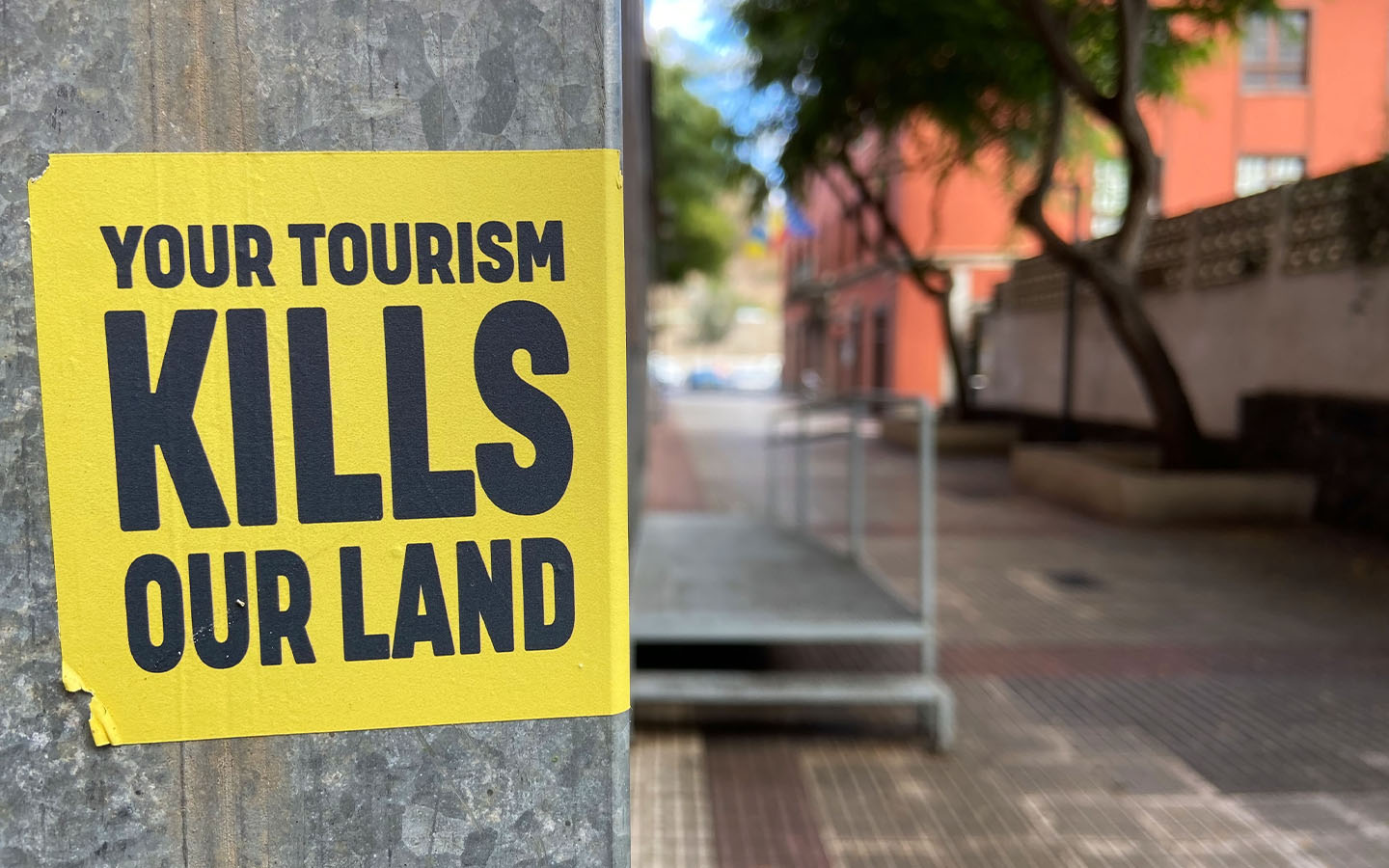
In the Canary Islands, Mexico City and the Jungfrau region of Switzerland, local communities face growing pressure from overtourism that not only threatens ecosystems, but their way of life. Soaring housing costs, traffic, overcrowding, pollution and overtaxed resources like water are all contributing to lower quality of life. Historic urban areas like France’s Montmartre and cities like Kenya’s Mombasa face similar pressures as they struggle to accommodate massive tourist volumes.
While none save Antarctica can necessarily afford to stop tourism completely, the No List is a reminder that we can help to mitigate these impacts by making more informed, thoughtful choices in our travel.