
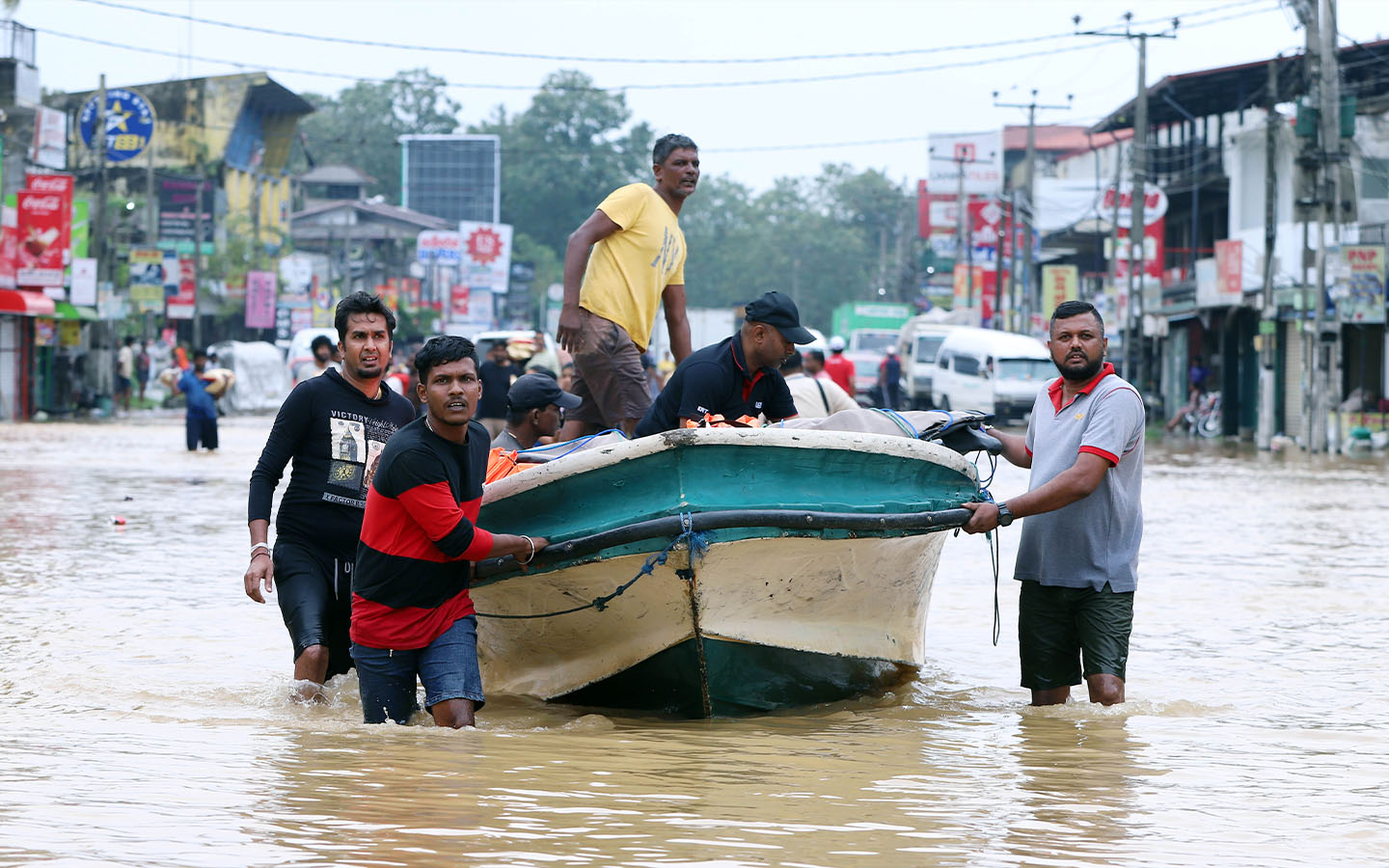
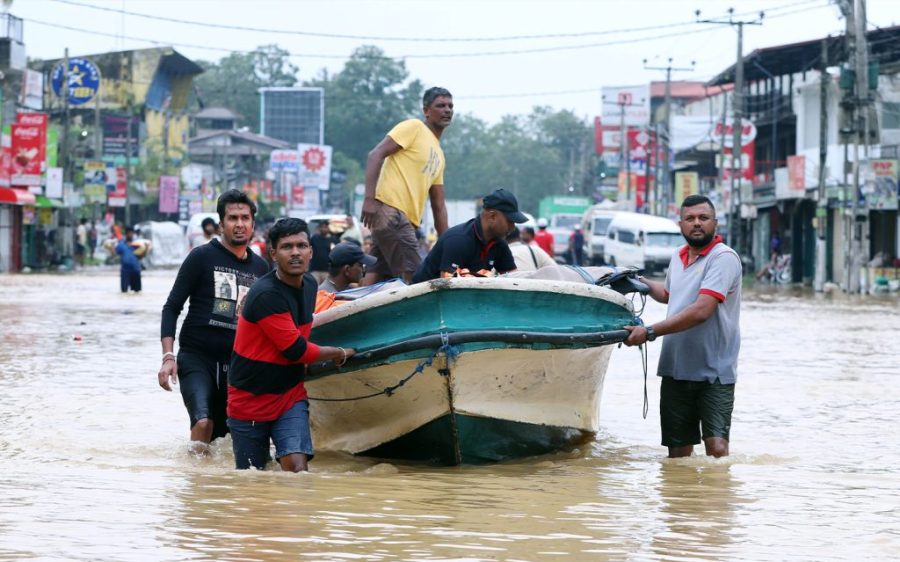
Sri Lanka, where 410 people have lost their lives amid catastrophic flooding brought by Cyclone Ditwah, is braced for even more rain according to multiple reports, potentially hampering recovery efforts.
Parts of the capital Colombo remain inundated and many rural areas remain cut off after more than 300mm of rain was dumped by Ditwah in many parts of the country in just 24 hours, causing flash floods and landslides. Hundreds of people are still missing and more than 200,000 are in temporary shelters.
The threat of more bad weather for Sri Lanka comes as authorities across Southeast Asia struggle to cope with extreme weather events that scientists warn are the result of climate change, with the planet’s warmer air holding more moisture and unleashing potentially disastrous rainfall.
In Indonesia, the death toll from recent floods and landslides has risen to 712, with 507 people still missing. Authorities say about 1.1 million people in North Sumatra, West Sumatra and Aceh provinces have been displaced. Bridges and roads have been swept away and weather remains unfavourable.
[See more: Global climate change is behind the rise in severe typhoons]
Floods in southern Thailand have left 145 people dead, with authorities warning that the toll is expected to rise as waters recede and more bodies are found. Meanwhile, almost 100 people have lost their lives in floods in Vietnam, which has been battered by heavy rain for weeks.
In late October, a meteorological station in the central Vietnamese city of Hue recorded 1,739.6 mm of rainfall in a 24-hour period. If authenticated by the World Meteorological Organisation (WMO), the figure would constitute a record for the Northern Hemisphere and for Asia.
The WMO’s Clare Nullis told media that Indonesia, the Philippines, Thailand, Vietnam and Sri Lanka are among the countries worst hit by climate change. She said recent disasters highlighted the need to strengthen regional forecasting, improve coping measures and increase data sharing.