The Christmas holiday is fast approaching and for many, the weeks leading up to the big day – especially Christmas Eve – hold a magic that slips away come 25 December. This phenomenon, according to King’s College London (KCL) neuroscientist Dr Toby Wise, may be a reflection of how our brains construct mental maps, experience anticipation and respond to prediction errors.
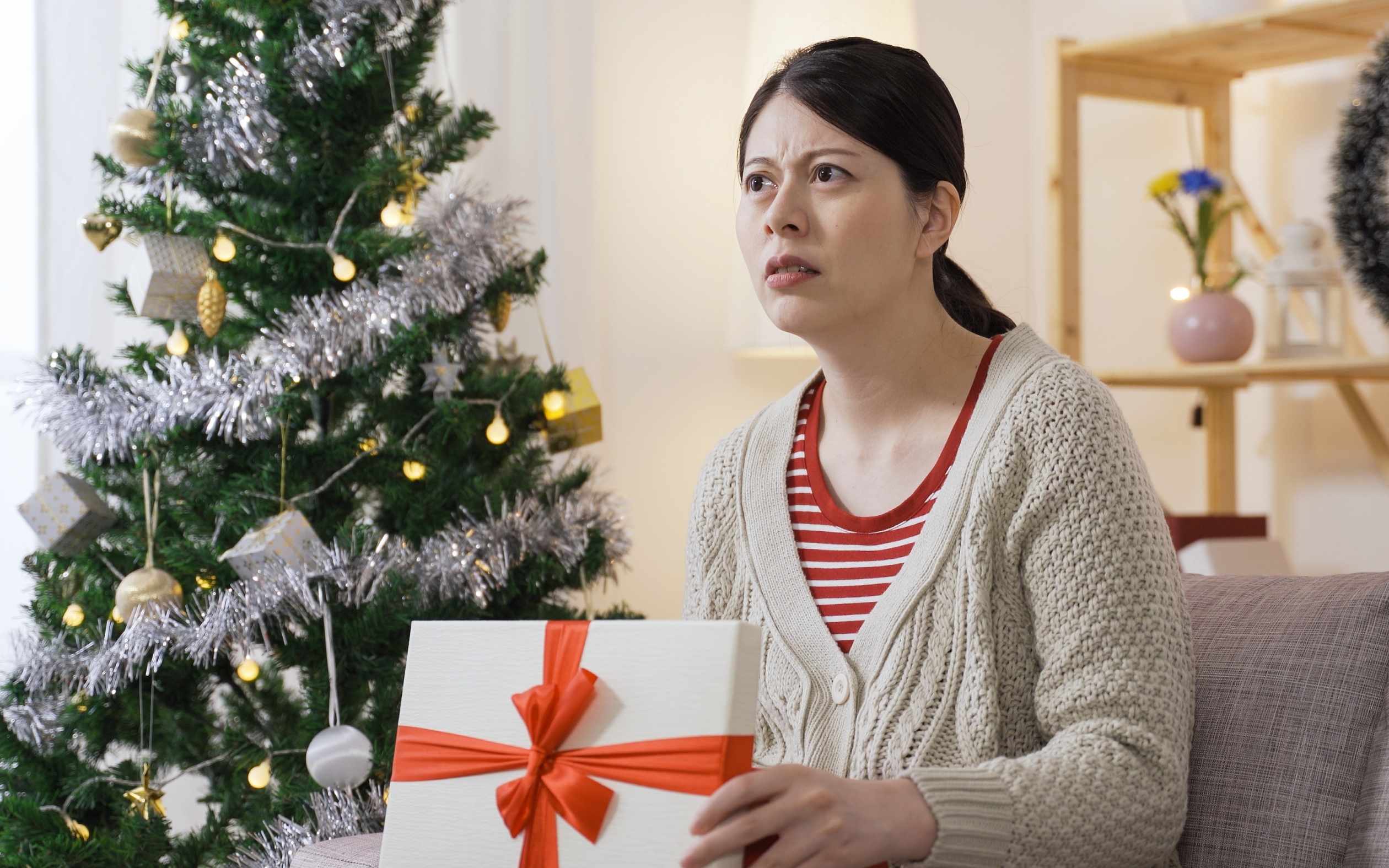
“In the case of Christmas celebrations, we might spend much of December anticipating how Christmas Day will be, putting ourselves in the shoes of our future self,” Wise explained. These visions of delicious meals with family and perfect gifts under the tree can lead to disappointment when Christmas day doesn’t quite live up to expectations.
That mismatch, between what we think will happen and what does happen, is a negative prediction error. A positive prediction error occurs when your expectations are exceeded, and both inform how our brains view the world, allowing us to learn and adapt to better navigate situations in the future.
Focusing on our future self can also trick our brains into mistaking anticipation for experience. “[The] neural circuits involved in an imagined good scenario and a real-life good scenario are much the same,” Wise explained.
[See more: Planning to limit booze this holiday season? Here are five pointers]
“To an extent, when you’re imagining Christmas, your brain is acting as if it’s already Christmas Day.”
Wise’s research at KCL also looks into how cognitive maps are involved in anticipating events. These maps function as internal representations of our environments, including spatial relationships, social dynamics and cultural contexts that enable us to better navigate through life.
“For Christmas, your map may include family togetherness, gifts and festive foods. In the weeks leading up to the big day, your brain builds a map of the day with predicted rewards,” Wise said. “If, on the day, reality doesn’t live up to this expectation, the brain identifies a prediction error” and adjusts the map, shifting how you construct expectations in the future.
To get as much out of both the lead up and the actual holiday, Wise advises people to take a step back from those high expectations and enjoy each moment as it comes. “This might help you enjoy the 25th as much as the days leading up to it!”