Australian Prime Minister Anthony Albanese has affirmed a shared ambition for the Greater Sunrise gas fields “to be developed as soon as possible” on his first trip to Timor-Leste.
He was making his first visit to the island nation as leader, sitting down with his Timorese counterpart, Xanana Gusmão, and addressing parliament on Wednesday, reports the Canberra Times.
Albanese acknowledged the “hard truths” of Australia’s history with Timor-Leste, telling parliament that in the past, “some actions taken by Australian governments did not honour, and were not worthy, of the close friendship between our nations.” The comments are likely alluding to Australia’s decision to recognise the Indonesian occupation in 1975 and Canberra’s acts of espionage nearly three decades later.
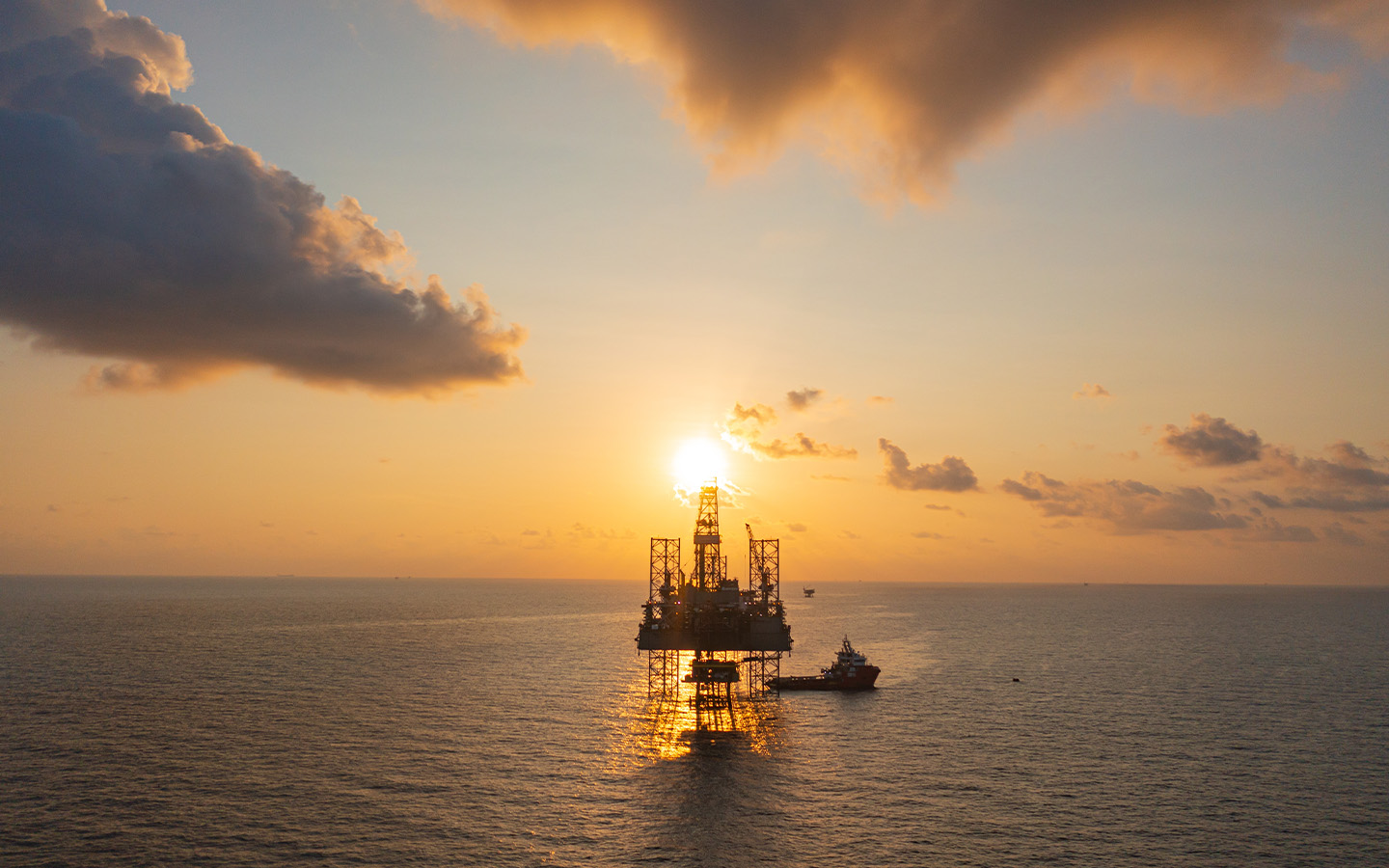
Australian spies planted listening devices near the Timorese prime minister’s office during negotiations over access to oil and gas in the Timor Sea, an area now part of the sprawling Greater Sunrise fields. As the two countries progress on development of these reserves, Albanese promised a different approach.
“It is the firm resolve of the Labor government I lead – and the Australian people I serve – that peace, mutual respect and shared prosperity continue to be the guiding principles of our shared future,” he said.
[See more: ‘Greater Sunrise gas must be processed in Timor-Leste’: Gusmão]
After sitting down with Gusmão, the two leaders said they shared an “ambition for Greater Sunrise to be developed as soon as possible.” Australia acknowledged Timor-Leste’s “commitment to onshore processing” in a joint declaration, and said that it “will support any commercially viable solution to develop Greater Sunrise.”
The long-delayed megaproject took a significant step in December 2024, with Australia’s Woodside Energy and Timor-Leste agreeing to study a 5-million-metric ton project for the Greater Sunrise field. It confirmed that onshoring in Timor-Leste was viable – and the most advantageous outcome for the young nation. Gusmão said as much to Albanese, telling reporters how he stressed the importance of processing in Timor-Leste as “essential for our national development.”
The two leaders struck an agreement that will see Australia cede 10 percent of any revenue from the project into an infrastructure fund for Timor-Leste. Albanese also set a goal to double the existing number of Timorese workers in Australia to 10,000 by 2028.
“We have extended our hands to a neighbour that has extended theirs,” Albanese said as his speech to the Timorese parliament drew to a close. “And as we gather in now, and look across at those same blue waters of Southeast Asia and the beautiful Indo-Pacific toward that horizon of opportunity, we see that bright sun rising.”