
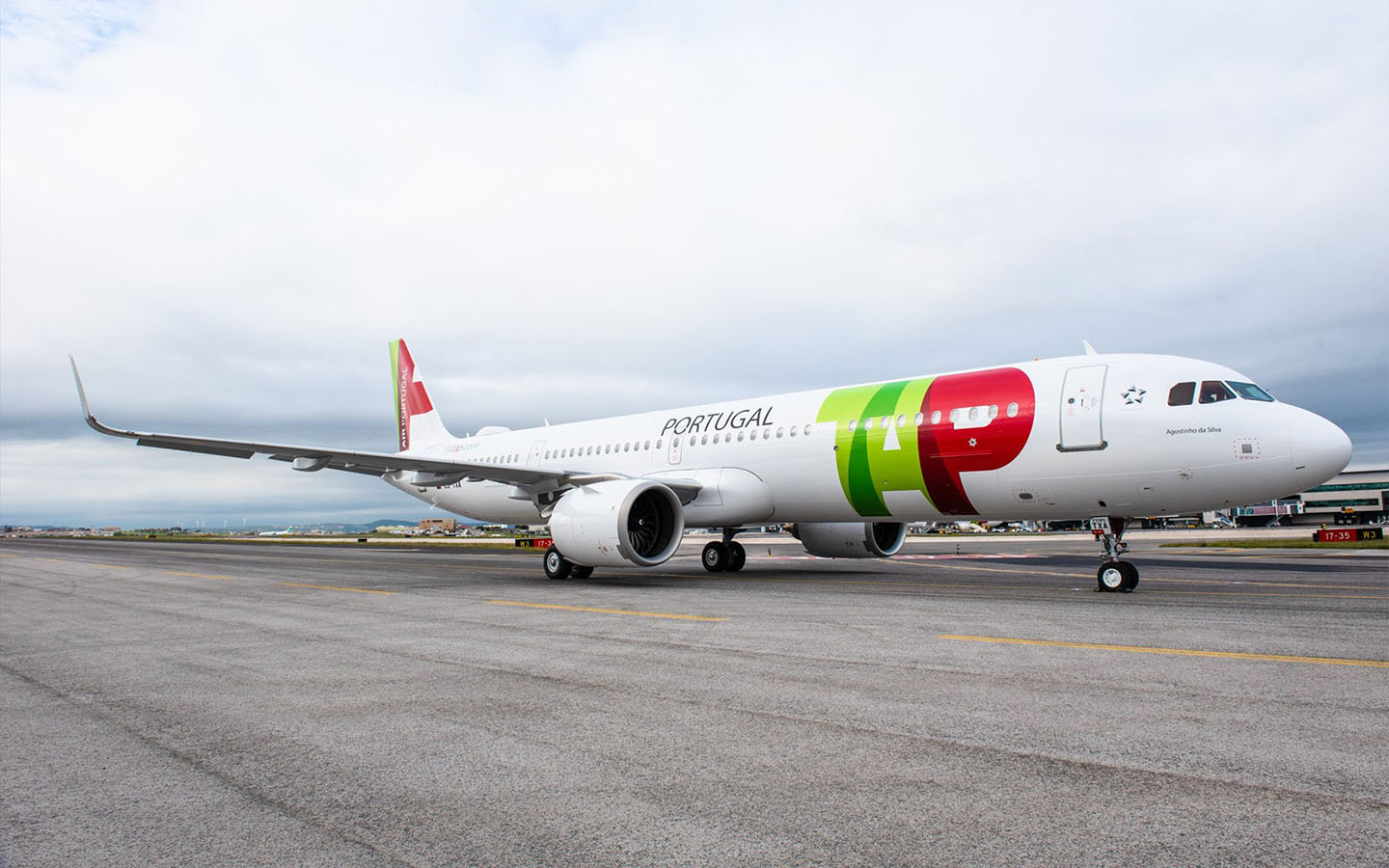
Europe’s airline consolidation race has shifted to Lisbon, where Air France-KLM and Lufthansa have lodged rival bids for a minority stake in TAP Air Portugal as the Portuguese government moves ahead with a long-delayed privatisation.
Lisbon plans to sell up to 44.9 per cent of TAP, with a further 5 per cent earmarked for employees, leaving the state with a slim majority that could be sold later to the winning bidder.
State holding company Parpública, which is running the process, now has 30 days to assess the non‑binding offers and shortlist suitors before inviting binding bids, with a final decision expected in the second half of 2026.
Air France-KLM was the first to publicly confirm a bid, saying it had submitted a non‑binding offer to acquire a minority stake as part of TAP’s reprivatisation. The Franco‑Dutch group has pitched Lisbon as a potential southern European hub for the alliance, highlighting TAP’s strong long‑haul footprint to Brazil and Africa and promising to preserve the Portuguese carrier’s brand identity.
CEO Ben Smith said the aim would be to strengthen operations at Lisbon while developing connectivity from other Portuguese cities such as Porto, and to plug TAP into Air France‑KLM’s wider network, including on decarbonisation initiatives.
[See more: Is Portugal abandoning Macao for direct Hong Kong-Lisbon flights?]
Germany’s Lufthansa Group has also filed a non‑binding offer, positioning TAP as another piece in its multi‑hub strategy that already spans Frankfurt, Munich, Zurich, Vienna and Brussels.
The Portuguese stake now on offer – valued by analysts at around 700 million euros for the 44.9 per cent tranche – could ultimately be a stepping stone to majority control, with Lufthansa indicating it remains interested in a larger stake over the longer term.
By contrast, British Airways and Iberia owner IAG, once seen as a front‑runner, has stepped back for now. People familiar with its thinking told local media the group sees limited strategic upside in a minority position that leaves the state in charge, although it could still keep a watching brief as the process unfolds.
For Portugal, the choice is as much political as financial. The government has said it will prioritise bidders prepared to keep TAP’s hub in Lisbon, maintain key long‑haul routes and support regional development, alongside price. TAP, nationalised at the height of the pandemic, returned to profit in 2023 and remained in the black in 2025 despite weaker earnings, making it a more attractive asset as traffic recovers.