Climate change is intensifying the violent storms that have pounded Guangzhou and much of the Greater Bay Area in recent days, Chinese meteorologists have warned, in one of the clearest official links yet between the region’s “weird weather” and a warming planet. An expert from the China Meteorological Administration told the Xinhua news agency that rising greenhouse gas concentrations are fuelling stronger convective systems, adding to the frequency and intensity of heavy downpours and severe thunderstorms across Guangdong.
The comments follow a week of wild atmospheric swings in and around Guangzhou, where a succession of squall lines brought torrential rain, gale‑force winds and hail despite the city having already recorded its earliest “start of summer” since 1961 on 19 March. Meteorologists say warmer air and sea‑surface temperatures in the South China Sea are loading storm systems with more moisture and energy, helping to explain why rainfall and wind speeds in recent events have exceeded historic norms. China’s water authorities have separately warned that the country is heading into a particularly fierce 2026 flood season, with officials bracing for a higher risk of both major floods and severe droughts as climate‑driven extremes increase.
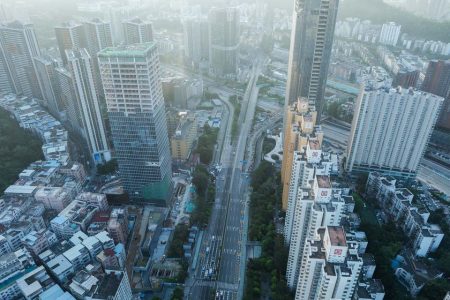
In Guangzhou and the wider Pearl River Delta, the storms have turned roads into temporary rivers, damaged infrastructure and disrupted transport across one of China’s most densely urbanised and economically critical corridors.
[See more: Guangdong faces more heavy rain and storms ahead of Easter]
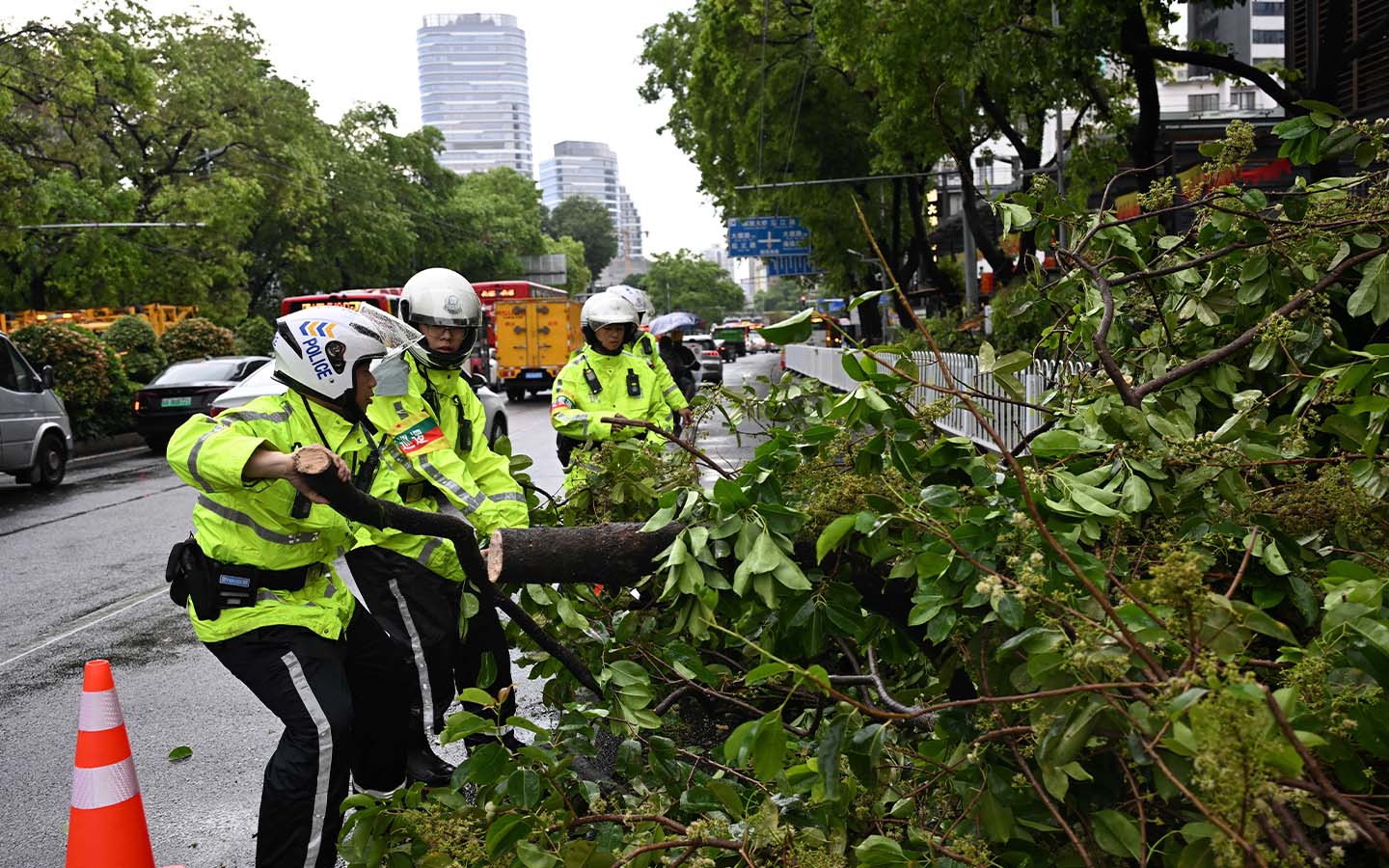
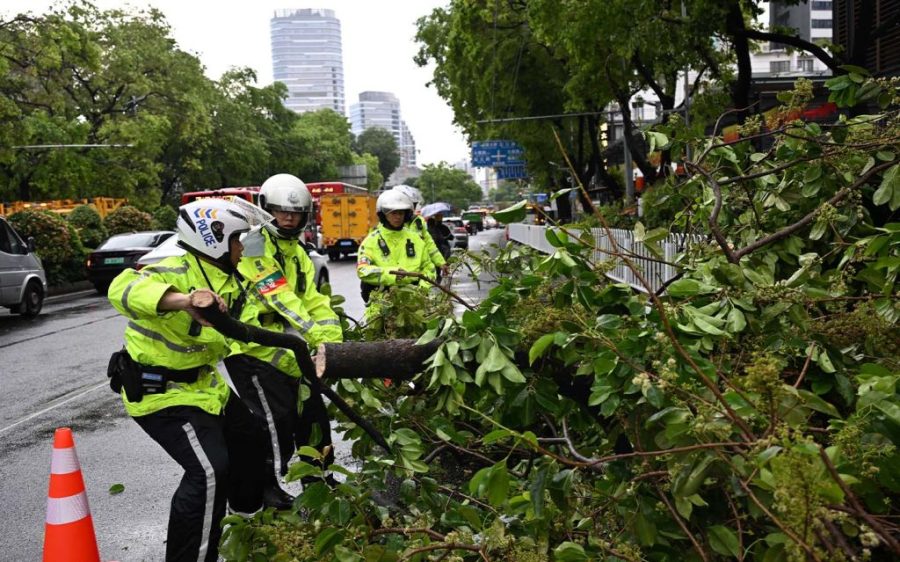
High‑speed rail operations were hit by delays after suspected tornado‑strength winds battered nearby cities, while airports reported flight cancellations and diversions as visibility plunged. Videos shared on Chinese social media showed toppled trees, shattered windows and neighbourhoods swamped by fast‑rising water, reinforcing public perceptions that the weather has become markedly more erratic.
Authorities in Guangdong have issued repeated rainstorm, thunderstorm, gale and hail alerts, and they warn that unstable conditions will persist through the Easter and Qingming holidays, with some areas facing gusts of up to Force 12. While forecasters expect an easing trend from early April, residents have been urged to remain vigilant against flash flooding, landslides and lightning strikes.
For the Greater Bay Area, Beijing’s new rhetoric on climate attribution could become a catalyst for accelerated adaptation: upgrading drainage and sponge‑city projects, hardening power and transport networks, and revisiting planning rules in low‑lying or tornado‑prone zones. As scientists warn that extreme weather will become more frequent under continued warming, Guangzhou’s latest storms underline how climate change is shifting from an abstract global threat to a highly local, lived reality.