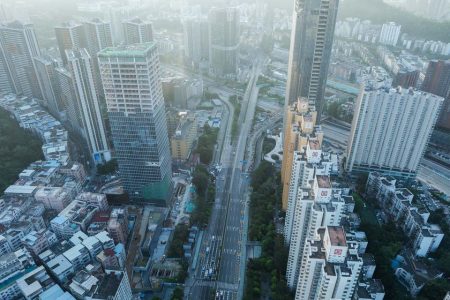
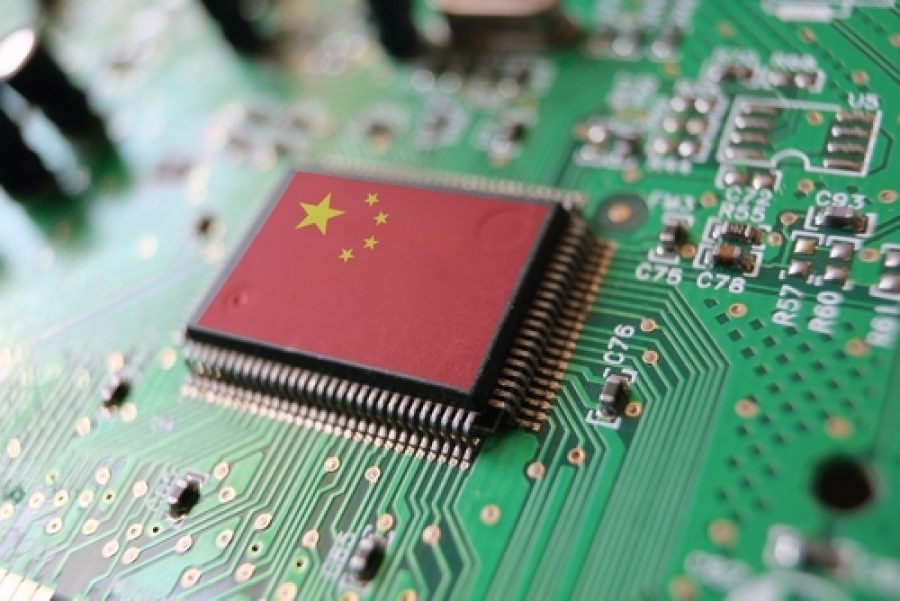
Shenzhen is doubling down on artificial intelligence with an aggressive new push to dominate the hardware at the heart of the AI boom: servers, chips and storage. The southern tech hub has unveiled a three‑year action plan to turn itself into a global centre for “intelligent computing clusters,” explicitly targeting “leapfrog” gains across the entire AI server supply chain by 2028.
The plan, issued by Shenzhen’s industry and information technology bureau, focuses on eight key links in the chain, from core chips and storage products to printed circuit boards, power systems, optical modules and other components that sit inside AI data-centre racks.
By 2028, officials want to see a sharp jump in production capacity and shipment volumes, alongside a “significant” increase in global market share for these parts, many of which remain dominated by US, Japanese, Korean and Taiwanese suppliers.
That ambition is inseparable from Beijing’s broader self‑reliance drive amid export controls on advanced semiconductors. Shenzhen’s blueprint calls for breakthroughs in domestic chips and higher‑end storage, backing local champions in enterprise‑grade SSDs, memory modules and advanced packaging, and using city‑level trading platforms to strengthen supply‑chain resilience.
[See more: Guangdong is supporting AI-enabled one-person companies with a new action plan]
It also leans on the city’s dense ecosystem of hardware makers, from telecoms giants to optical‑module specialists, to build an “industrial echelon” where large and small firms co‑develop new products.
The server plan plugs into a wider vision of Shenzhen as an AI “pioneer city.” Previous municipal documents set 2026 targets of more than 3,000 AI companies, underpinned by multiple computing clusters across districts such as Nanshan, Bao’an, Longgang and Qianhai. The terminal side is also in focus: an earlier action plan for AI devices aims to lift the city’s AI terminal industry above 800 billion yuan, with a stretch goal of 1 trillion yuan, and over 150 million units produced by 2026.
Shenzhen’s AI hardware sprint could reshape GBA supply chains. Local analysts note that Hong Kong‑based cloud and fintech players already buy servers assembled just across the border; a deeper, more self‑sufficient component base could cushion them against geopolitical shocks in the global chip trade. Shenzhen’s push also intensifies competition with other Chinese tech hubs vying to host state‑backed computing clusters and next‑generation data centres.