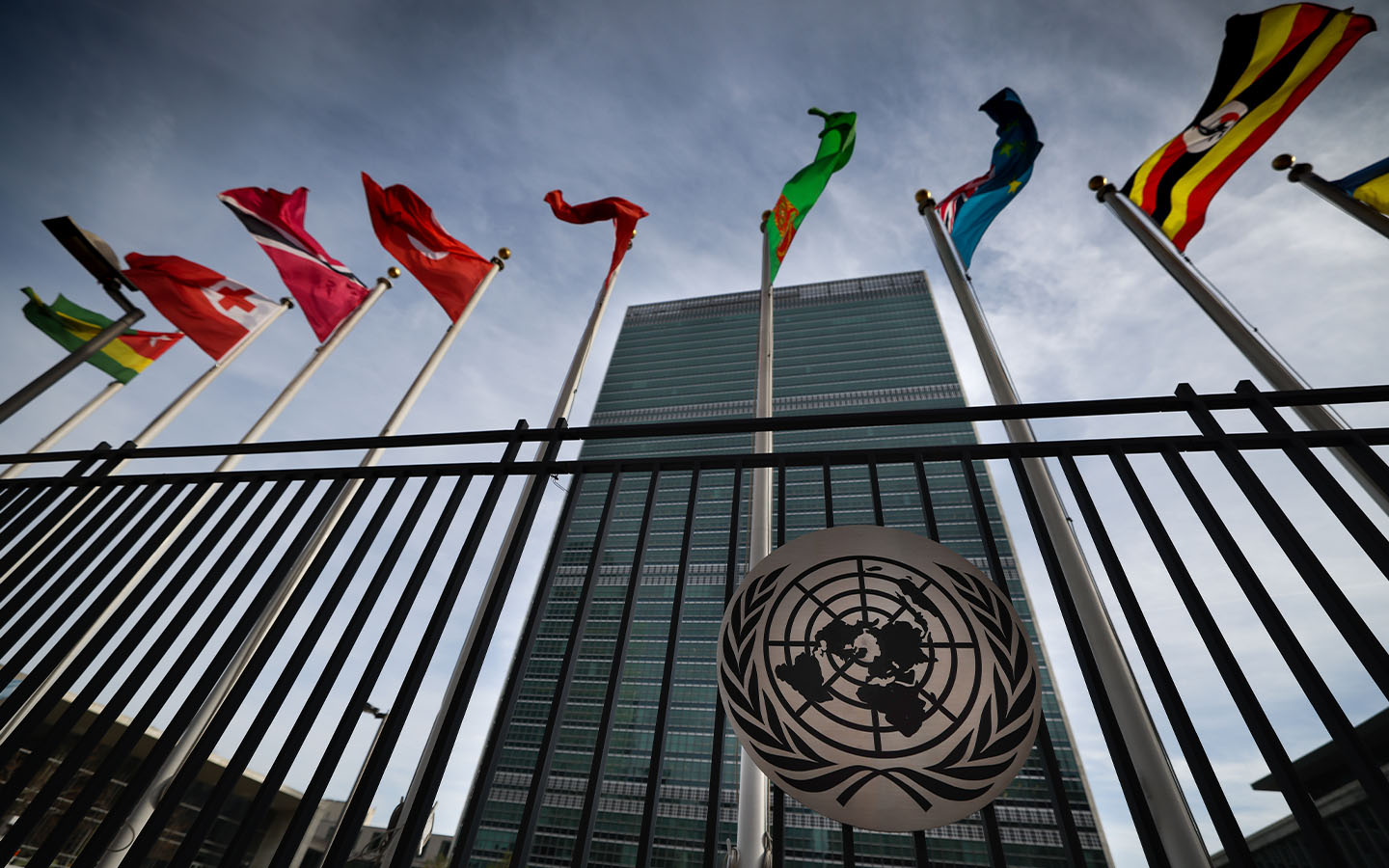
Speaking at the United Nations headquarters in New York on Tuesday, Angolan minister of state Dionísio da Fonseca made a strong case for tangible measures of reparatory justice. His remarks were reported by Angola’s official press agency.
Representing President João Lourenço at a high-level event organised by Ghana’s President, John Dramani Mahama, Fonseca stressed the necessity of addressing the harm inflicted upon African populations through the transatlantic slave trade and racially motivated slavery.
The minister noted that millions of Africans were subjected to mistreatment, servitude, and forced labour, having been transported as mere goods for the sole advantage of colonial powers. This brutal process, he maintained, facilitated the growth and development of other regions while causing immense distress to African people.
He emphasised that Angolans were among those captured and forcibly removed between the 15th and 19th centuries to serve as slave labour, thereby fuelling the economic ascent of various imperial powers. Historical estimations suggest that roughly three to four million enslaved individuals were taken from the Angolan region to the Americas, establishing Angola as one of the most significant sources of enslaved Africans during the trade.
[See more: Landmark educational cruise seeks to retrace historical slave route]
Overall, approximately 12.5 million Africans were put onto slave ships between 1501 and 1866, destined for plantations producing sugar, coffee, and mines extracting gold and diamonds.
In the minister’s opinion, reparatory justice is a vital mechanism for recognising historical suffering, rectifying inherited inequalities, and ultimately restoring the dignity of those affected communities.
Mr da Fonseca argued that the required process must extend beyond straightforward financial recompense. Key components should include greater involvement for African nations within multilateral bodies, specifically the reform of the United Nations Security Council.
Furthermore, reparatory justice ought to encompass the wiping out of African countries’ debt, the repatriation of historical and cultural heritage removed from the continent, and the promotion of investments designed to encourage balanced and inclusive development.