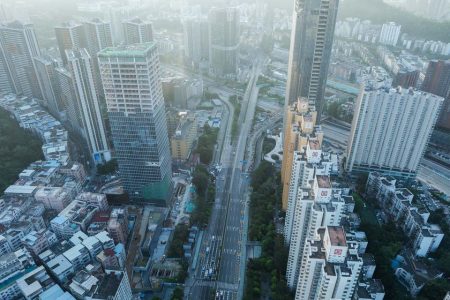
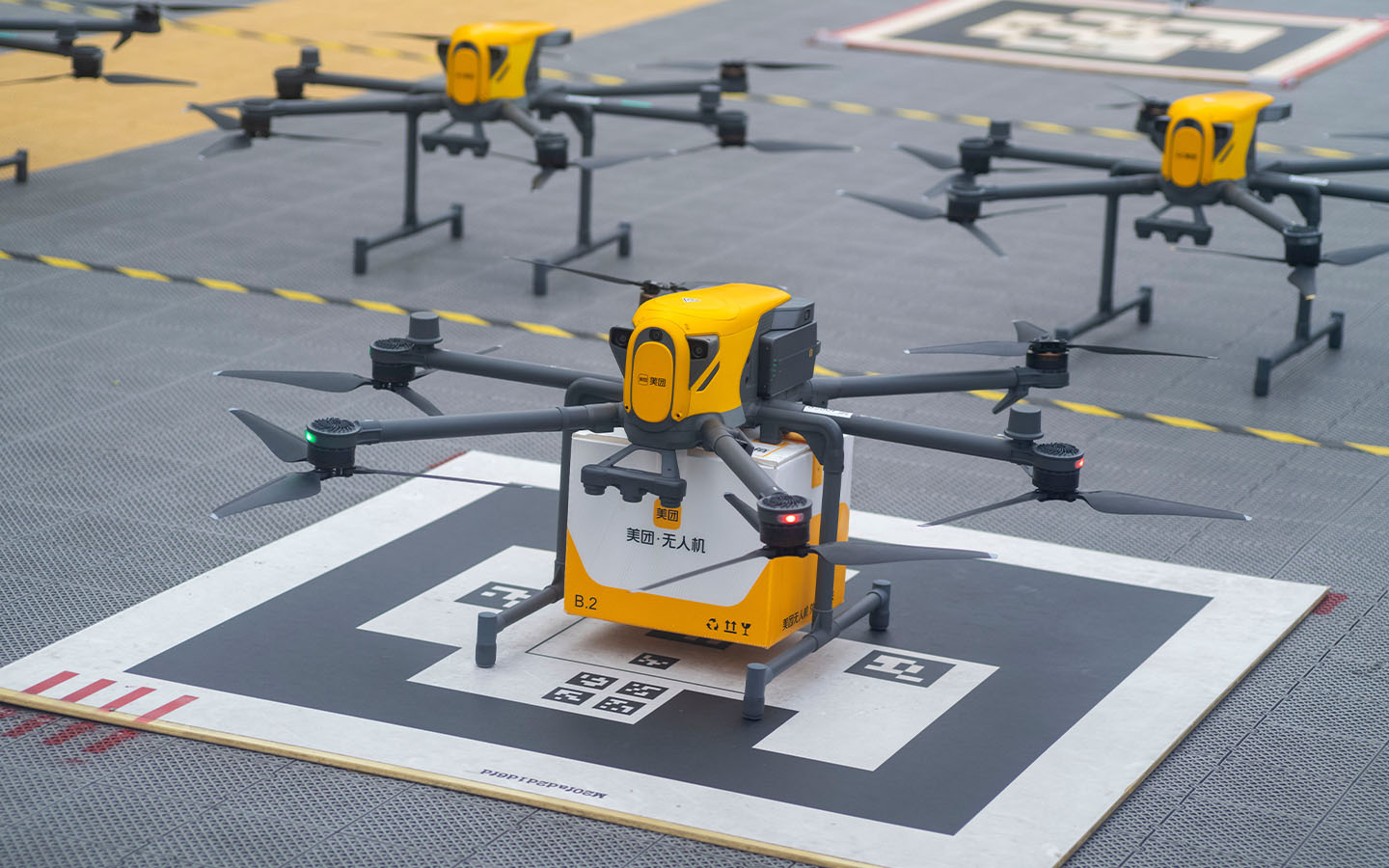
Shenzhen has begun operating regular drone services that move goods to and from Hong Kong, in what officials are calling a new chapter for the Greater Bay Area’s “low‑altitude economy.”
The latest cross‑boundary route, reported this week by mainland media, uses unmanned aerial vehicles to carry time‑sensitive cargo between Shenzhen and designated handover points serving Hong Kong, trimming delivery times from hours to under one.
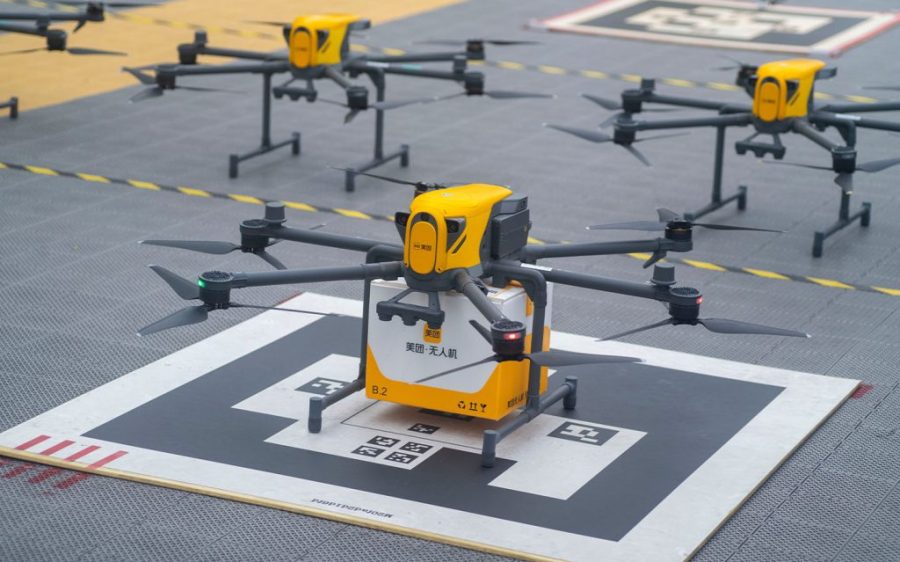
The service builds on earlier pilots at Futian Port, where platforms such as Meituan have been flying takeaway orders to travellers at the border, and on intercity drone corridors linking Shenzhen with Zhongshan across the Pearl River estuary. Shenzhen now runs more than 300 low‑altitude logistics routes and over 1,200 take‑off and landing sites, producing about 70 per cent of China’s consumer drones and half of its industrial models.
For Hong Kong, the new cross‑border flights are both a logistics experiment and a test case for regulation.
[See more: Hong Kong’s high hopes for low-altitude links to the Greater Bay Area]
The Hong Kong government’s low‑altitude “regulatory sandbox” already includes a Shenzhen Urban Transport Planning Center project to establish paired drone pads in the Hetao Shenzhen‑Hong Kong Innovation and Technology Zone, creating a dedicated corridor for small cargo movements. Officials say such routes could be used for medical supplies, high‑value electronics and documents that benefit from point‑to‑point delivery.
Industry players see strategic implications for the Northern Metropolis and for Hong Kong’s role in the GBA supply chain.
Drone logistics could ease pressure on congested roads and land crossings, particularly at peak hours, while offering same‑day cross‑boundary deliveries for e‑commerce and manufacturing clients tied into Shenzhen’s factories and Hong Kong’s ports and financial services.
But expansion will hinge on airspace management, safety standards and public acceptance on both sides of the border.
Aviation experts have called for clear rules on flight paths, data sharing and liability before drone fleets can scale up over densely populated districts.