The Brazilian government has announced the creation of the Albardão Marine National Park, officially establishing the largest marine protected area in the South Atlantic following two decades of intense negotiations.
The establishment of the park marks a major success for ocean conservationists and scientific experts who spent years navigating political resistance. The initiative received sustained backing from the Whale and Dolphin Conservation (WDC), Oceanographic Magazine reports.
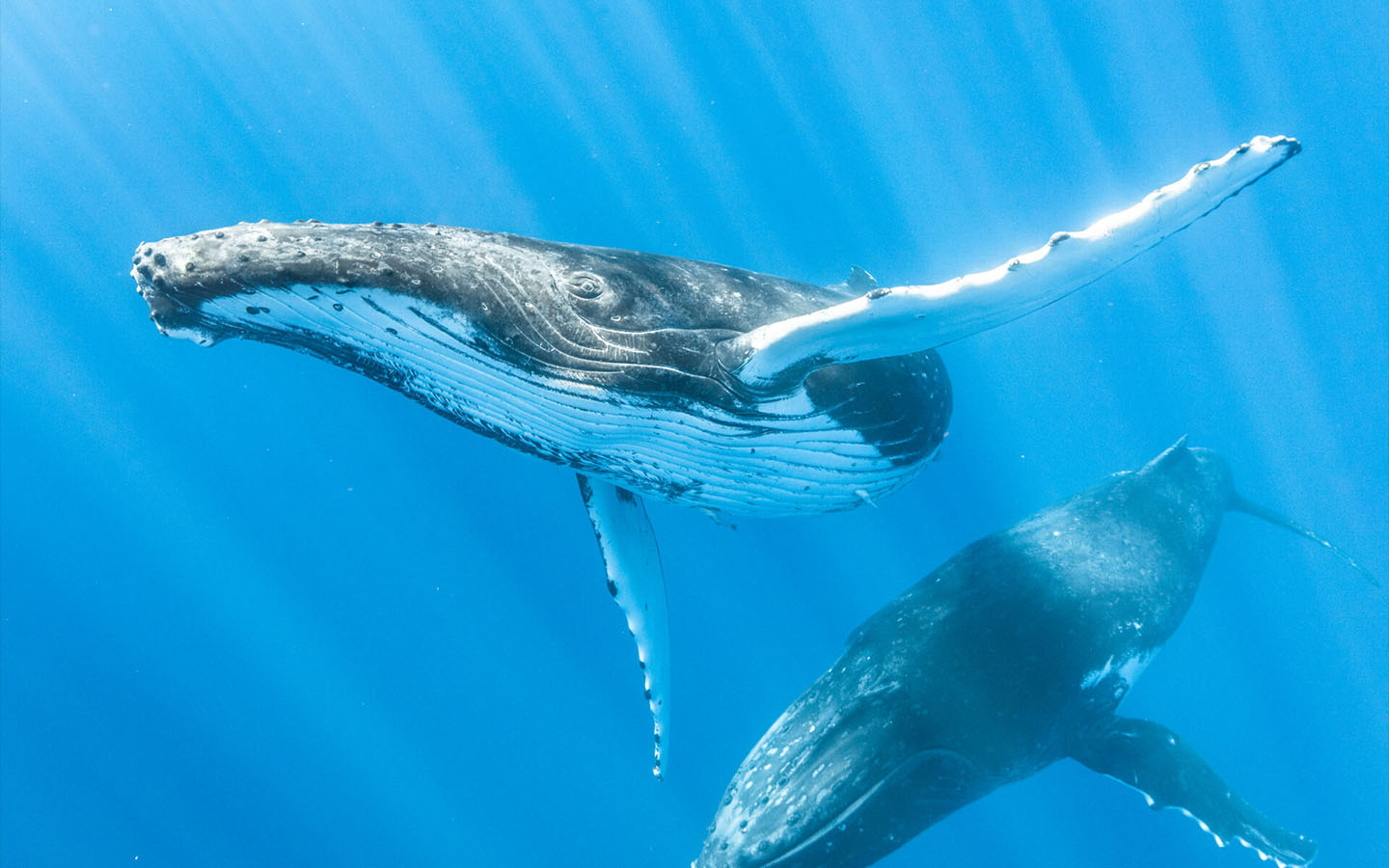
Spanning over a million hectares of ecologically crucial ocean, the protected zone is situated off the coast of the state of Rio Grande do Sul. The park’s primary purpose is to safeguard essential habitats for numerous cetacean species. These include migratory southern right and humpback whales, as well as the endangered La Plata and Lahille dolphins – two of the world’s most threatened river and coastal dolphin species.
[See more: Portugal announces a massive new marine protected area]
The protections put in place are far-reaching and comprehensive. Large portions of the national park will be subject to complete bans on fishing. Furthermore, a substantial 558,000-hectare buffer zone has been designated around the park’s core, alongside an additional environmental protection zone covering adjacent coastal stretches.
For years, progress on the protected area was repeatedly held up by political opposition. This resistance came from sections of the Brazilian government that aligned with economic stakeholders from the offshore wind power and fishing industries, both of which maintained significant interests in the region, Oceanographic Magazine says.