

Nipah virus is the latest infectious disease to make global headlines, with recent reports of an outbreak in India stoking concern in various parts of Asia, where memories of the Covid-19 pandemic remain vivid and painful.
On 27 January, Indian authorities reported that two nurses in the eastern state of West Bengal had been infected with the disease – estimated to have a fatality rate between 40 to 75 percent. While the second patient had shown signs of improvement as of 21 January 2026, the first healthcare worker remained in a critical condition.
Meanwhile, the 196 contact cases all tested negative for Nipah virus, with the Indian government maintaining that it had implemented the necessary measures that “ensured timely containment” of the virus.
[See more: Macao prepares quarantine facilities and emergency plan against Nipah outbreak]
This isn’t the first time that Nipah has left people worried. In fact virus entered the popular culture in the 2011 Steven Soderbergh film, Contagion, which tells the story of a virus loosely based on the Nipah virus that spreads rapidly, resulting in a pandemic not unlike Covid-19. The other film is the 2019 India production, Virus, which dramatises the 2018 Nipah outbreak that took place in the southern Indian state of Kerala.
Both films were critically and commercially well-received upon release. Contagion, however, hits a little closer home, as the fictional virus of that film originates in Hong Kong before spreading worldwide.
These days, authorities in countries and regions such as Thailand, Nepal, Macao, Hong Kong and Taiwan are taking no chances. Despite India’s assurances, they are boosting precautionary screening and preventive measures across airports and border crossings.
Why is it called Nipah?
The name Nipah refers to the Malaysian village where the first human cases of the virus were recorded. In the initial outbreak between 1998 and 1999, livestock farmers in Malaysia and Singapore caught the disease after coming into contact with the faeces and bodily fluids of pigs infected with the virus.
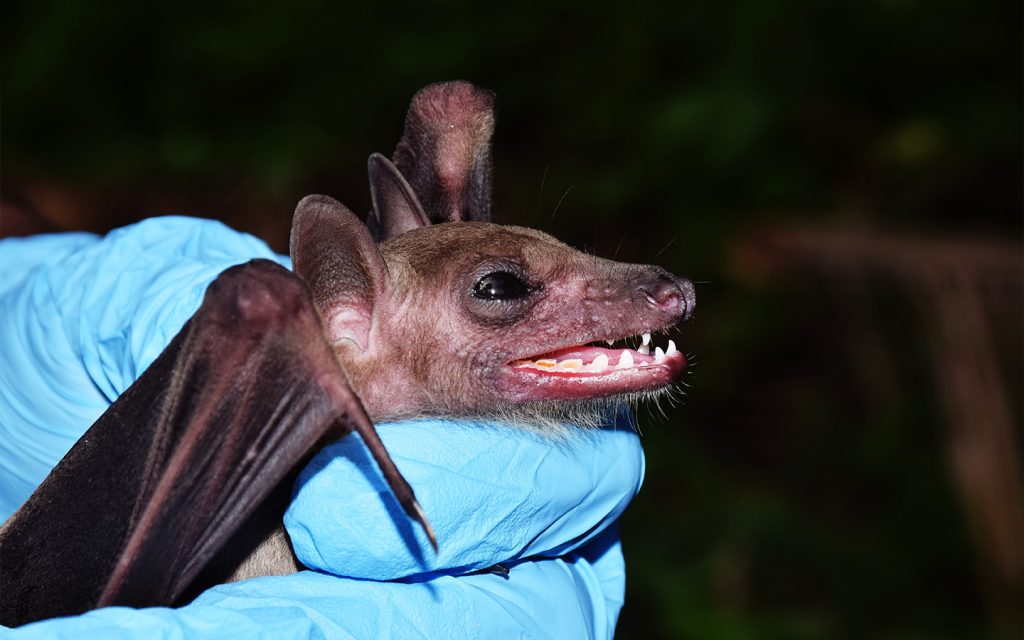
Experts believe that the swines themselves became infected with Nipah virus after ingesting food laced with the fluid and faces of infected fruit bats, which are natural carriers of the disease.
[See more: Here’s what to know about chikugunya fever, the disease that’s sweeping Guangdong]
In the years since the first outbreak, Nipah virus has spread into surrounding areas such as the Philippines, India and Bangladesh. The latter has seen cases on a yearly basis, while India has recorded infections in various parts of the country periodically.
How is the virus spread?
Animal-to-human transmission of Nipah virus can occur when a person comes into direct contact with infected animals such as bats, pigs, horses, dogs and cats, or through exposure to the bodily fluids or faeces of such animals.
It is also possible to catch the virus by consuming food such as fruit or palm sap that contains traces of the bodily fluids of an infected bat.
[See more: Macao on alert amid Nipah virus outbreak in India]
Human-to-human transmissions of Nipah virus can also take place when a person without protective gear comes into physical contact with a patient, or is exposed to their bodily fluids.
Although human-to-human transfer is not as prevalent, infectious disease expert Dr. William Petri points out in a University of Virginia interview that it “is known to occur especially in hospital settings via respiratory droplets or secretions.”
What are the symptoms of Nipah virus?
Nipah virus symptoms normally appear within 3 to 14 days after a person has caught the disease, although the World Health Organisation (WHO) notes that the incubation period can run for as high as 45 days in some extreme instances.
[See more: Macao has detected its first-ever imported case of zika virus]
Although the virus might not clinically manifest itself in some patients, the vast majority of people will be hit with symptoms that include: fever, headache, nausea, fatigue, diarrhoea, or symptoms relating to the lung, including coughing and breathing difficulties. More severe cases can result in seizures and coma.
How deadly is the virus?
According to the WHO, the fatality figure of the virus ranges between 40 to 75 percent. Those who manage to survive are said to recover fully, although there have been reports that around 1 in 5 recovered patients suffer from ongoing neurological issues.
How is the virus treated?
Currently, there are no known drugs or vaccines that are specifically designed for the direct treatment of Nipah virus. Instead, doctors will help patients by dealing with symptoms and by advising supportive measures such as resting and drinking water.
With no Nipah cure presently available, researchers and medical practitioners have looked to experiential and unproven medicines as possible solutions. One 2023 study found that early administration of remdesivir on infected African green monkeys was helpful in boosting their survival rate.
[See more: An unknown haemorrhagic disease is ripping through remote Congolese villages]
More recently, scientists at the Wuhan Institute of Virology found that the Covid-19 oral drug VV116 is capable of reducing the virus load of infected hamsters. In a study published in the peer-reviewed Emerging Microbes & Infections journal in December 2025, said that the medicine was “a very promising oral candidate against [Nipah] infection,” adding that “VV116 should be considered as a therapeutic option for future [Nipah] outbreaks.”
How many cases have there been so far?
According to data published by India’s National Centre for Disease Control last month, 754 Nipah virus cases have been recorded worldwide since the disease was first reported in 1998. More than 435 people have died, with a majority of the infections taking place in Southeast Asia. Bangladesh accounted for 46 percent of cases, followed by Malaysia’s 35 percent, India’s 13.5 percent, the Philippines 2.5 percent and Singapore’s 1.5 percent.
Is Nipah virus a threat to the Greater Bay Area?
Nipah virus currently remains a low risk in the Greater Bay Area, with no reports of any other infections aside from the initial two cases in West Bengal, as of writing.
Meanwhile, the WHO classified Nipah virus as a “low” global public health risk on 30 January, explaining that “there has been no confirmed spread of cases outside India.”
Similarly, China’s National Disease Control and Prevention Administration announced in a statement cited by China Daily on 27 January that they considered the current Nipah outbreak to be a limited risk.
[See more: Livestock diseases prompt sweeping import bans in China]
The virus’ “ability to survive in the general environment is weak, and the public has a low likelihood of exposure to infection,” the Chinese authorities said.
Despite this, the Greater Bay Area and other parts of Asia are stepping up screening and preventive measures around transport hubs and ports in the lead up to the Chinese New Year period, which will see a surge in travel.
In an interview with ABC News (Australia), Deakin University epidemiologist Catherine Bennett admitted that the ramping up of such precautionary measures in Southeast Asia may “be a trigger for some people.” At the same time, she maintained that these initiatives, when coupled alongside continued efforts in India to prevent Nipah’s spread, would help to ensure that the virus does not “escalate into a global issue.”
How can I avoid catching Nipah virus?
Don’t expose yourself to infected animals, individuals and their bodily fluids. In particular, steer clear from bats and their habitats, as these creatures are natural carriers of Nipah. In cases where contact with an infected animal or person is unavoidable, make sure to put on the appropriate protective garment and gear.
Not eating or drinking items that may have been touched by bats is another effective measure. At the same time, individuals should make sure the food they consume is fully cooked. If eating fruit be sure to peel the skin and wash thoroughly.
[See more: Vitamin D3 may reduce risk of age-related diseases, study finds]
Maintaining good personal hygiene is also crucial. This means washing your hands frequently with soap and water, or using hand sanitiser with at least 60 percent alcohol content.