
China is discouraging its nationals from visiting Japan during the nine-day Chinese New Year break, which runs from 15 to 23 February.
In a statement published on Monday, China’s Ministry of Foreign Affairs said “Chinese citizens in Japan were facing serious threats to their safety.” It explained that Japan’s public security had been unstable in recent times due to a rise in “crimes targeting Chinese citizens.” It also mentioned the occurrence of earthquakes across multiple regions.
The current Foreign Ministry announcement comes amid a diplomatic spat between China and Japan that was brought about by Japanese Prime Minister Takaichi Sanae’s comments over Taiwan on 7 November 2025.
Takaichi suggested that Tokyo would take military action to support Taiwan if the island were to face an attack. Beijing was infuriated by the remarks, considering them to be a direct challenge to the One China Policy and China’s sovereignty.
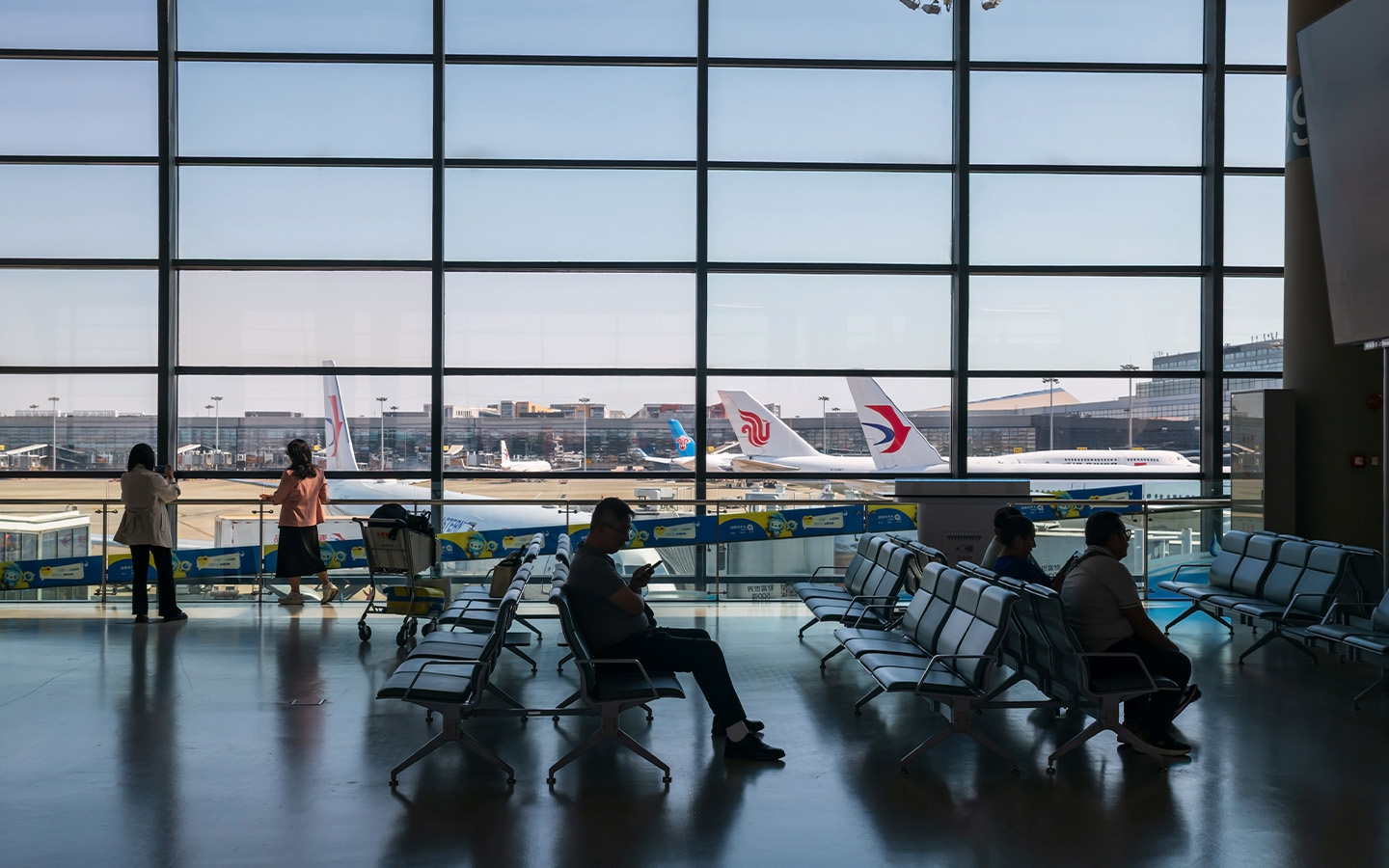
As Sino-Japan tensions continue to flare, all flights across 49 China-Japan air routes have been cancelled in February, according to data from flight analytical platform Flight Master cited by Yicai.
[See more: Venue still pending as Macao K-pop concert hit by Japanese visa issues]
The number of cancelled flights between China and Japan has been rising in recent months, with China Daily reporting a cancellation figure of 47.2 percent for China-Japan flights in January, a rise of 7.8 percent month-on-month.
Data from Japan’s transport ministry indicates that around 330,000 Chinese visitor arrivals were in Japan in December, down by approximately 45 percent year-on-year.
With demand for Japan-bound travel declining, three of China’s largest carriers – Air China, China Eastern and China Southern Airlines – announced on Monday that they had extended their cancellation and rescheduling period for Japan-related flights until 24 October.
Aside from the aviation and tourism sectors, Japan’s seafood and entertainment industries have also suffered as a result of the ongoing tensions. As a retaliatory measure, Beijing reinstated its ban against Japanese seafood. Similarly, multiple top Japanese artists, including Hamasaki Ayumi and Otsuki Maki saw their China performances cancelled.
Despite Beijing’s repeated calls for Takaichi to walk back from her “provocative” and “wrongful” November comments, the Japanese leader has remained resistant, arguing that her stance is consistent with those of past administrations.