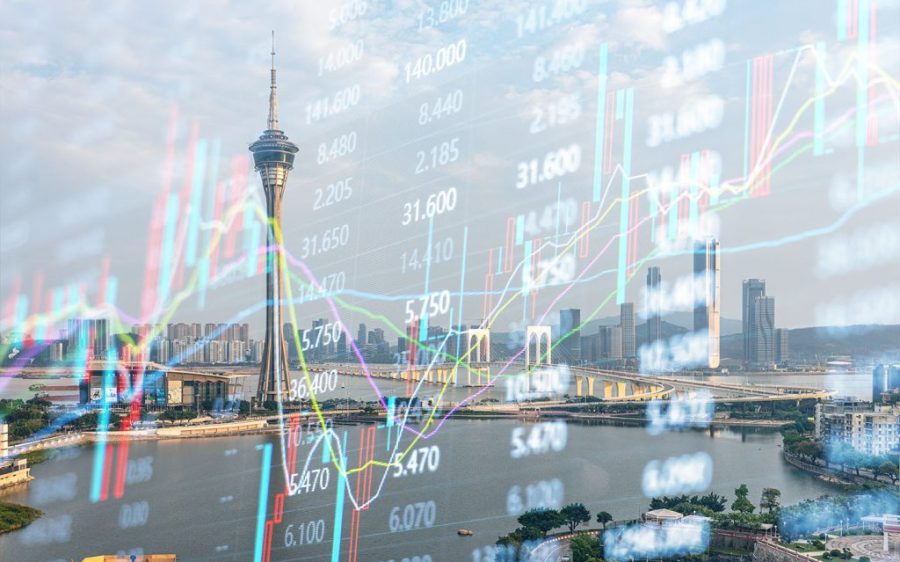
More than 250 billion patacas ($32 billion) were raised on Macao’s bond market in 2025, a 12 percent increase on the previous year, according to data published by Chongwa (Macao) Financial Asset Exchange (MOX). The surge pushed total issuances beyond the trillion pataca ($120 billion) threshold, nearly doubling its size from just a few years earlier. But perhaps more telling, 2025 marked the second consecutive year when total bonds raised exceeded gross gaming revenues, demonstrating how far the casino-driven economy has branched out into non-gaming industries.
Relative to other exchanges, Macao’s debt market is smaller – roughly one quarter the size of Hong Kong’s. However, comparisons between the SARs’ exchanges are misguided, suggests Eduardo Buisson Loureiro, a Macao‑based lawyer and international arbitrator, who argues that the financial capabilities should be viewed through the lens of complementary capabilities for China’s Greater Bay Area and its $2 trillion economy.
[See more: Currency appreciation and dividends to boost Macao gaming stocks next year, analysts say]
In contrast to Hong Kong’s traditional role as a financial nexus, Macao’s historical affiliation with Portuguese‑speaking countries (PSC) offers a recognisable model for lusophone clients, the attorney says. He adds that “this is particularly valuable for contracts and financing structures where a bilingual legal system rooted in Portuguese civil law and Chinese statutes offers a familiar framework, particularly for major PSC economies, such as Brazil, which are deepening vital partnerships with China.”
There’s no question that issuers value institutional frameworks that sustain product visibility and fluid information access. “Macao is actively cultivating these features as reciprocal interests between China and PSC nations are emerging in parallel,” Loureiro describes, pointing out a shared commitment towards supporting the blue economy, a reference to the sustainable use of ocean resources.
Macao’s RMB and green linked bonds
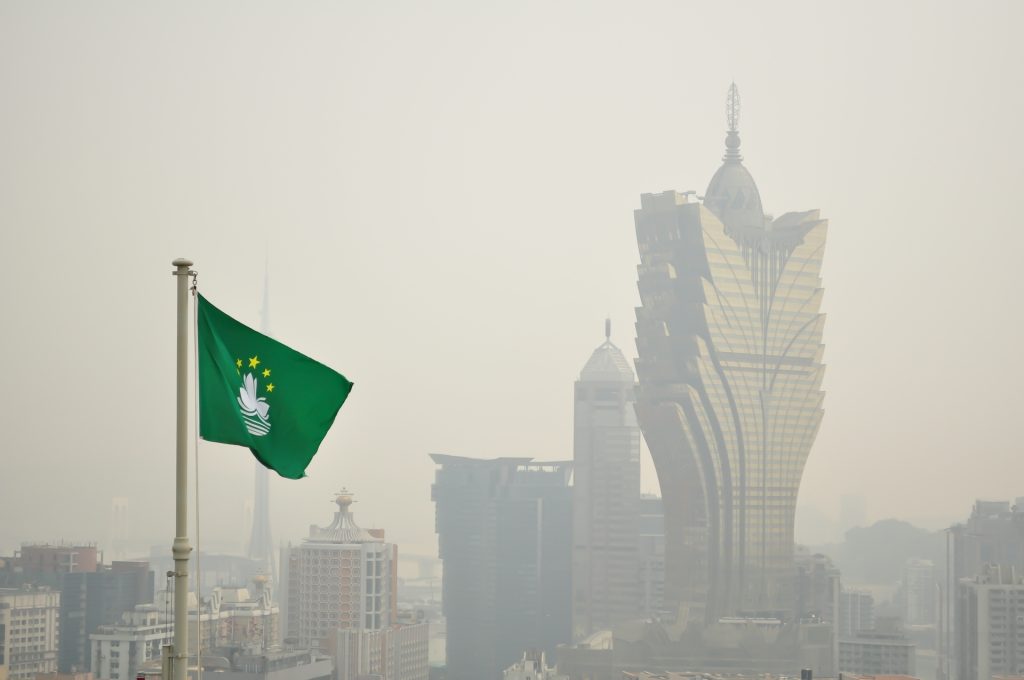
As Macao cultivates a bond market shaped by Portuguese characteristics, its immediate future remains very much anchored to the casino floors, where red and green wagers across the city’s six thousand gaming tables symbolise its city’s identity. But as the debt market matures, those colours are taking on new meaning and charting out what type of financial hub Macao is set to become.
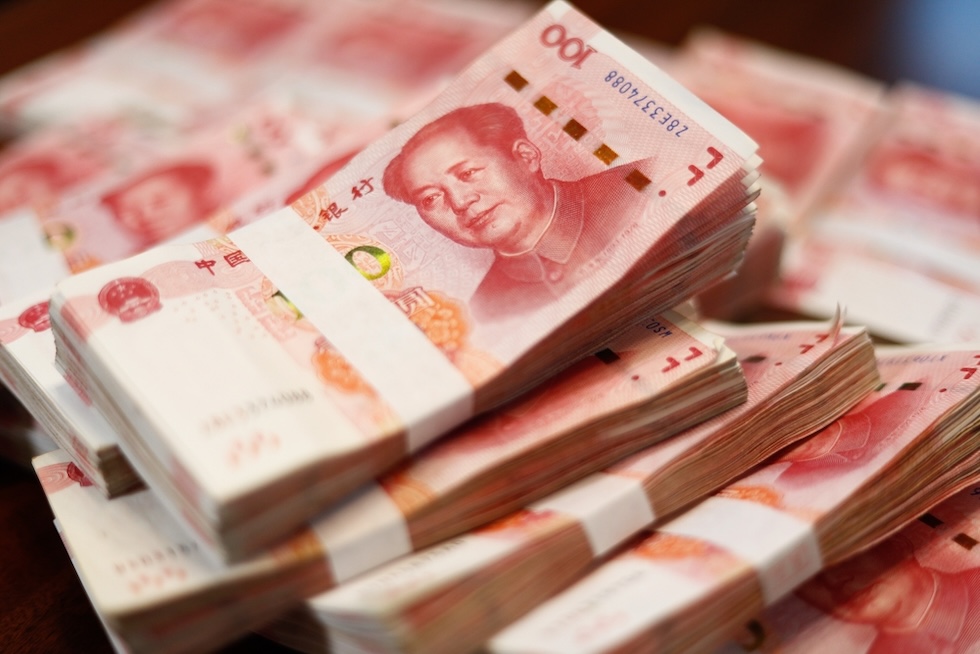
Within Macao’s trillion pataca bond market, 45 percent of its value is denominated in renminbi (RMB), the Chinese yuan, up from a 33 percent share in 2023. Beyond the political ambitions to internationalise the currency, commercial factors are at play as well. Among the major appeals for pursuing offshore yuan (CNH) denominated debt in SAR markets of Macao or Hong Kong are lower funding costs, comments Steve Alain Lawrence, chief investment officer of Balfour Capital Group.
“When the CNH coupon and its hedge-adjusted cost sit below its equivalent in US dollars, issuers can meaningfully lower their marginal cost of capital” the portfolio manager says, adding that for repeat borrowers, maintaining access to the CNH market also expands borrowing options while also improving balance sheet resilience.
A preference for capital efficiency extends to green bonds, whose value accounts for about a fifth of Macao’s debt market. But beyond the appeal of competitive funding costs, sustainability focused investors are also preparing for future environmental-related expenses when tougher carbon regulations go into effect.
[See more: Can Macao cut carbon emissions to almost zero by 2050?]
With the calendar less than sixty months away from the 2030 Paris Agreement, Hong Kong-listed companies are now required report their carbon emissions, unleashing a wave of information rooted in a common green language that reduces terminology ambiguity, says Basel Kirmani, founder and general manager of Turquoise Sustainability, a Hong Kong-based consultancy specialising in corporate sustainability training.
“As an asset owner, I want to ensure my investments are not only fortified against climate change but also safeguarded when regulators push for greener economies,” Kirmani explains, highlighting the risk of sudden divestments or carbon costs not yet recognised in corporate financials, eroding future shareholder value.
Macao’s limitations and more specialised role
Since 2020, Macao’s annual debt issuances have risen at a compound annual growth rate of 27 percent, underscoring financial reforms and administrative developments aimed at making bond listings easier. Yet, despite this momentum, liquidity concerns remain, creating a shallow secondary market with limited price discovery that leaves large, domestic institutional investors to steer the local exchanges, notes Lawrence of Balfour Capital Group.
While Hong Kong is better positioned as the primary centre for secondary trading and market pricing, Macao has positioned itself as a specialist platform for themed and sustainability-linked issuances, maintaining flexibility to pilot new formats. For example, one-tenth of Macao’s debt market is valued in free-trade bonds linked to free-trade zones, serving as a prototype for future structures before expanding to Hong Kong.
Cross-border green financing schemes, like last September’s signed memorandum of understanding among the Macao International Carbon Emission Exchange (MEX), the Hong Kong Exchanges and Clearing Limited, Guangzhou Emissions Exchange, and Shenzhen Green Exchange, alongside data transparency and product innovations should help address liquidity concerns, suggests Jacqueline Zhang, partner at HOPU Investments, who pointed out several shortcomings.
[See more: How green financing is crossing borders while Macao’s waste is staying put]
“Any unclear use of proceeds or environmental impact disclosures immediately prompts greenwashing worries,” she says, noting that such outcomes could, in fact, lead to higher funding costs, which inevitably discourage long‑term capital allocators and undermine the investment opportunities in new industries.
Although offshore CNH and green-linked bonds remain modest compared with traditional financing instruments, Macao’s strategy to build out these thematic bonds ties the city’s economic transformation to Beijing’s push to internationalise the yuan and accelerate clean energy development. In addition to attracting premium mass players and fostering the 1+4 development strategy for its gaming and tourism industries, the trillion pataca bond market embodies more than the diversification commitment taking place. It illustrates how big those bets have become in just a few years.