Consumers across all generations will “seek comfort, authenticity and grounded optimism” to combat trend fatigue in 2026, according to Pinterest Predicts. The platform’s annual trends report claims to be able to identify emerging trends with 88 percent accuracy.
Trend fatigue is the mental exhaustion that internet users feel from the constant barrage of new fads that social media promotes.
[See more: ‘Rage bait’ is the Oxford University Press word of the year]
The emerging Pinterest trends, by contrast, “preserve individualism and personal identities,” says Sydney Stanback, Pinterest’s global head of trends and insights. “In 2026, people will make these trends their own.”
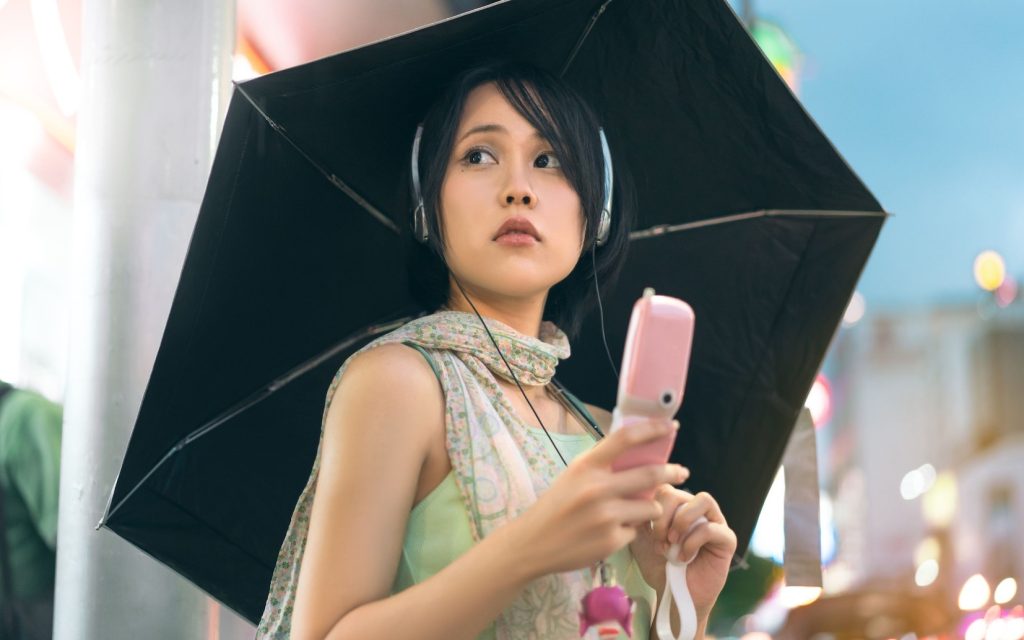
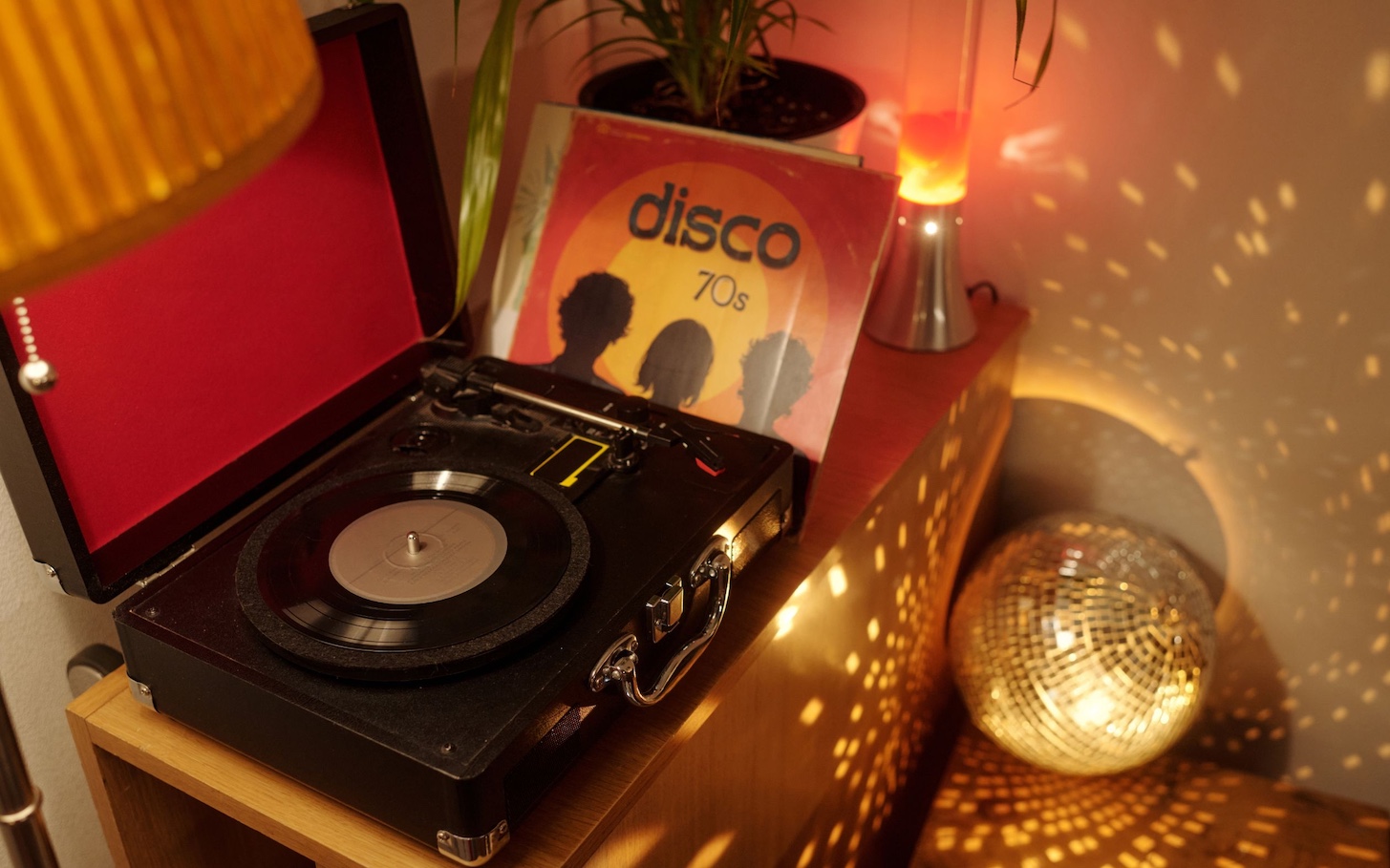
With 55 percent of global respondents prioritising comfort, nostalgia continues to reign as a top trend across all aspects of life. Searches for vintage toys and comfort foods are soaring on Pinterest. Key trends include Y2K, jelly-like aesthetics, vintage children’s clothing from the 1960s to the 2000s, and an increased interest in handwritten letters.
Surprisingly, searches for circus-inspired home decor are on the rise because of boomers, born between 1945 and 1965, and millennials, those born between around 1981 and 1996.
In terms of aesthetics, Pinterest has identified a broad range of trends such as African boho decor, maximalism, khaki, “Poetcore” (a literary and academia inspired fashion aesthetic), and “Neo Deco” – art deco with a modern twist.
[See more: Trip.com unveils the latest trends in Macao and Hong Kong tourism]
The predicted trends are fun, wholesome, random or perhaps strange, depending on who you ask. However, all these wide-ranging trends are threaded with the common theme of escapism.
According to Pinterest, younger generations, particularly Gen Z, are increasingly turning towards fashion and beauty as a canvas for escapism from an uncertain future. Trends for personal expression vary from subtle animal-inspired aesthetics, futuristic sci-fi makeup to a specific shade of cool-toned blue.
“The five-year plan is dead; most consumers can’t envision a future beyond 24 months,” the report states elusively.
Significantly, 67 percent of next year’s predictions are heavily influenced by Gen Z, those who are born in the late 1990s and early 2000s. So what exactly are they escaping from?
According to an article published by the Economic Times this year, Gen Z “faces the worst financial crisis of any generation” in the face of global debt, education and housing crises.
In general, young people’s mental health is far worse than previous generations. Recently, new analysis comprising 44 countries reveals that people are now experiencing worse mental health at a younger age.
In Macao, recent factors such as the Covid-19 pandemic and social media have intensified the psychological pressures that young people generally face too.
[See more: Macao’s suicide rate is rising. Here’s what needs to be done]
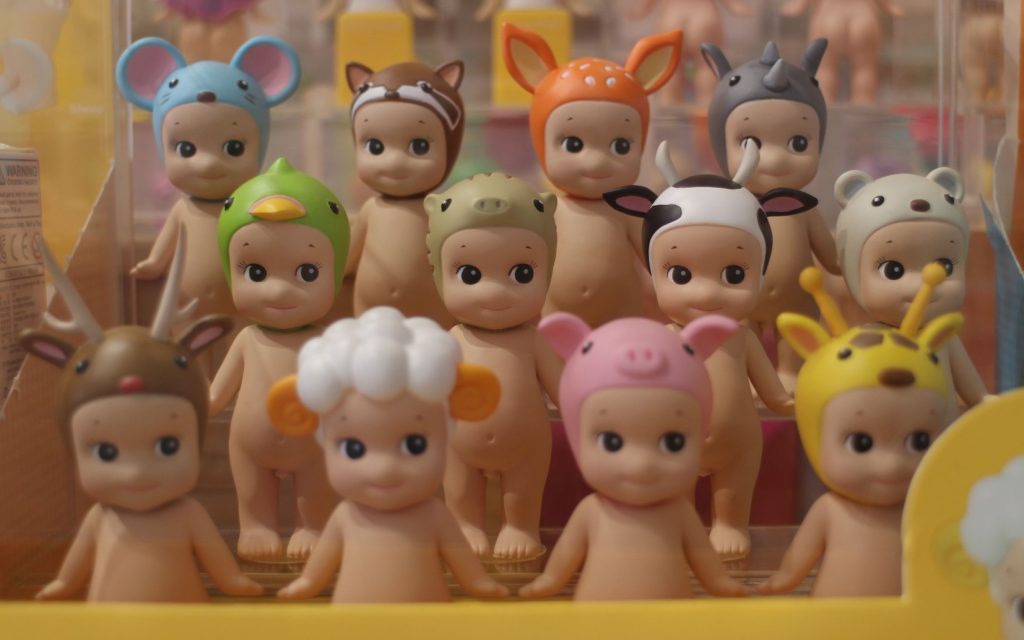
Some argue that the global phenomenon of this increasing obsession with nostalgia, such as collecting toys like Sonny Angels and Labubus, are a reflection of deeper economic anxieties. This behaviour affirms the theory coined by Estée Lauder’s Leonard Lauder during the early 2000s recession, in which Lauder suggested that during economic downturns, people turn to affordable luxuries for comfort.
However, our tendency to gravitate towards the comfort of nostalgia may not be all bad. Experts do say that nostalgia is a natural coping mechanism to self-soothe and create a sense of safety during times of uncertainty.
Furthermore, in a study done on escapism, the authors suggested that escapism can lead to either a positive outcome,“self-expansion,” or a negative one, “self-suppression.” While escapism can lead to avoidance, unhealthy coping mechanisms and thus poor mental health, it also has the potential to reduce stress, provide inspiration and in turn increase happiness through self-care.
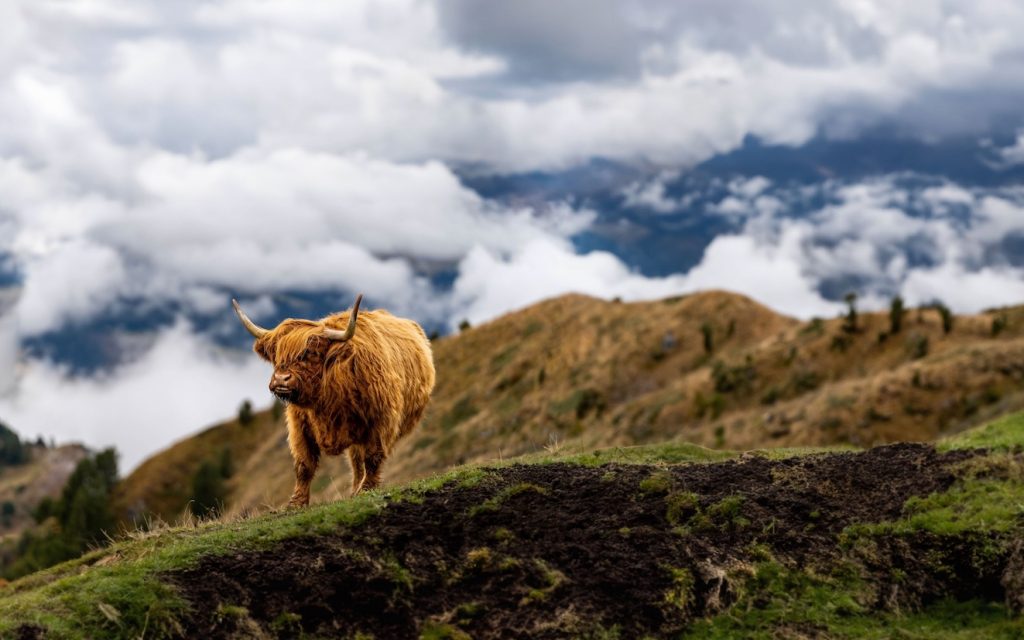
Take Pinterest’s travel predictions for 2026 for example: the biggest travel trend predictions for millennials and boomers are “whimsical, mystical destinations” like the Scottish Highlands, or Kyoto’s Arashiyama Bamboo Grove.
Meanwhile, there is a growing desire for “darecations,” where Gen Z travellers and millennials will increasingly seek out “adrenaline-inspired tourism.” Think river rafting, canyoneering and racing.
Perhaps this global nostalgia for the “good old days” that conveniently ranges from the 1960s to the 2000s did begin as a gentle cry for help, but if dressing like a poet or decorating your circus-themed living room (in moderation, of course) empowers you to live a better life during these admittedly difficult times, it may not be all doom and gloom after all.