

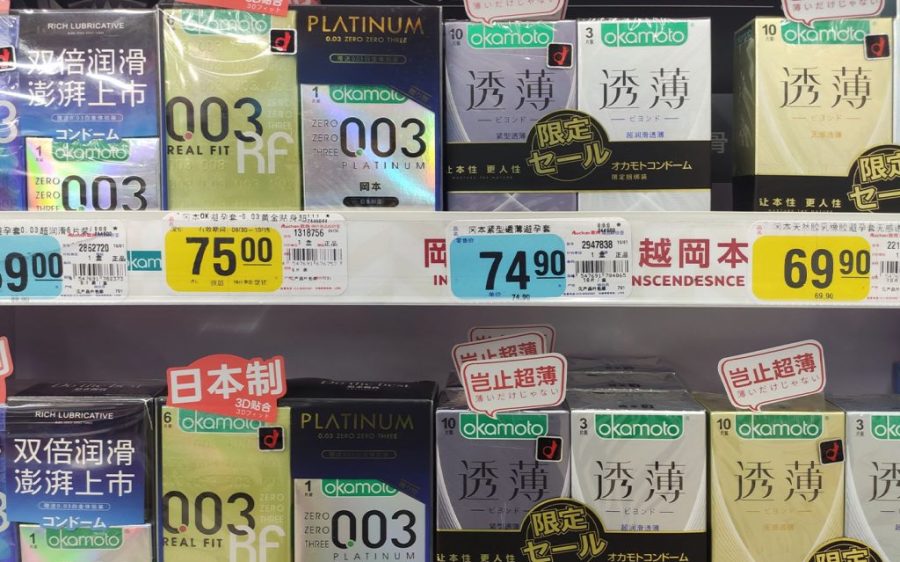
China will impose a 13-percent value-added tax (VAT) on contraceptive medicines and devices – including condoms – from 1 January, ending a three-decade exemption and marking a major shift in population policy, multiple media outlets report.
The measure forms part of a revised VAT Law adopted in late 2024, which removes tax breaks for birth-control products while exempting services linked to childrearing, elder care and marriage. Authorities say the changes are intended to support family formation as the country’s demographic challenges deepen due to an ageing population.
China’s population has fallen for three consecutive years while its birthrate has been declining for decades, a situation accelerated by the one-child policy (1979-2015). The fertility rate stood at just 1.0 in 2023, well below the 2.1 replacement level.
[See more: Would you let a robot gestate your baby? This Guangzhou firm says it’s possible]
Beijing has rolled out a range of pro-natal policies in recent years, including cash incentives, expanded childcare options, longer parental leave, programmes promoting so-called “marriage culture” and new rules discouraging non-medically necessary abortions. But analysts say the measures are more symbolic than substantive.
Demographer He Yafu from Beijing’s YuWa Population Research Institute told media they were “unlikely to have much impact on the bigger picture,” though reflected efforts to increase childbirth – which many Chinese consider financially risky in a slowing economy and unstable job market. According to YuWa figures, China is considered a relatively expensive country for parents.
The new VAT policy has sparked debate on social media, with critics warning that more expensive contraception could exacerbate rising HIV infections and other sexually transmitted diseases. Others questioned whether the government’s tax incentives for parenting can overcome entrenched social and financial pressures faced by young adults.