China has halted soybean shipments from five Brazilian exporters after routine inspections revealed banned wheat mixed into cargo bound for Beijing, reports South China Morning Post.
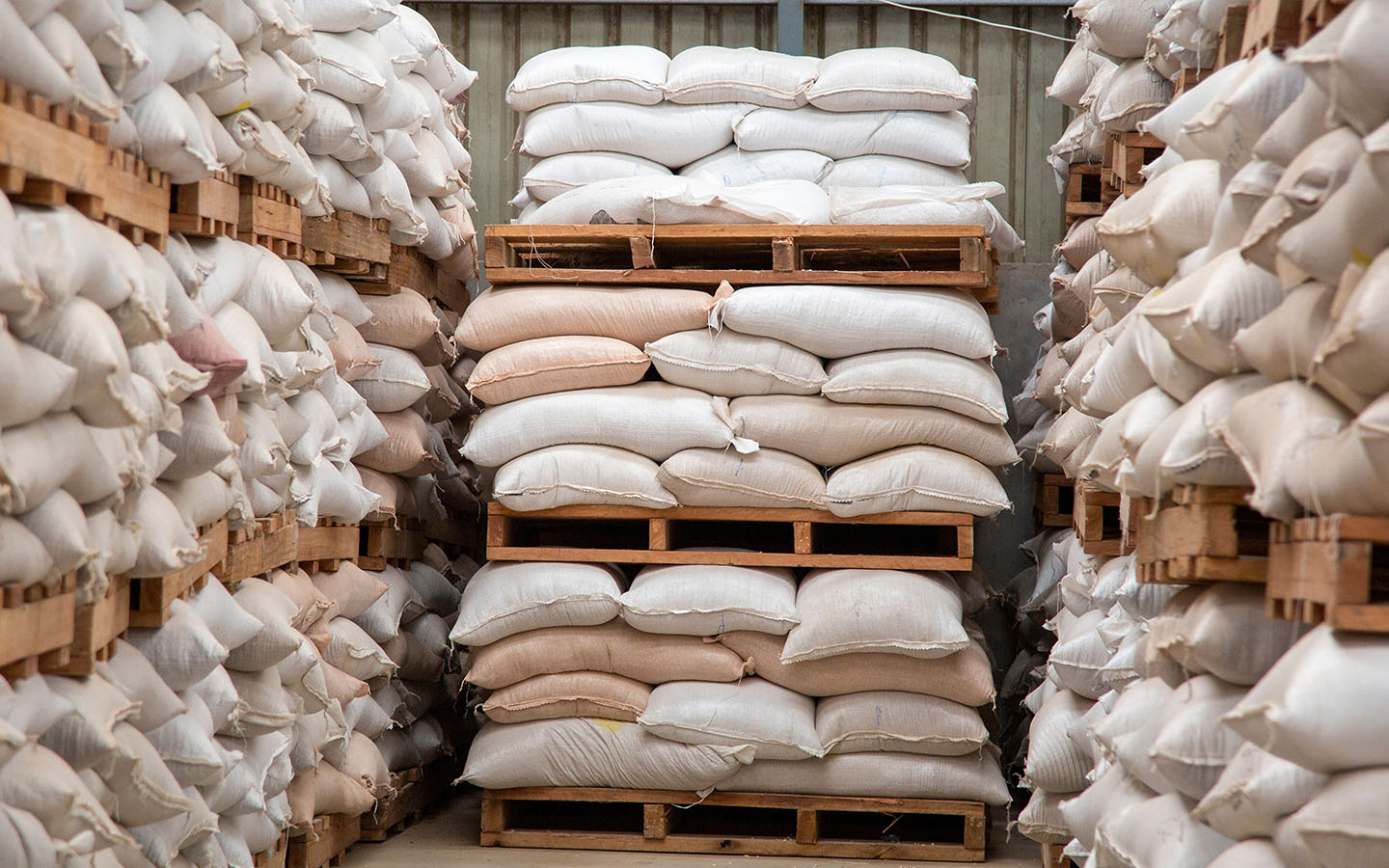
Amid the approximately 69,000 tonnes of Brazilian soybeans in the hold of Shine Ruby, inspectors from China’s General Administration of Customs (GACC) discovered around 10 tonnes of wheat treated with a chemical coating not authorised for food or animal feed. The unnamed pesticide is only approved for seed treatment under Chinese food safety rules, and is considered toxic if consumed. Wheat from Brazil is not cleared for import to China under any circumstances, further exacerbating the “serious violation.”
The ban went into effect Thursday. It covers two Cargill units and single units operated by Louis Dreyfus, CHS Agronegocios and 3Tentos Agroindustrial, all located in São Paulo state save 3Tentos, which is in Rio Grande do Sul.
Other units operated by the same companies remain cleared for export, as do more than 2,000 other authorised plants.
[See more: Brazilian soybean exports reach a record high]
GACC sent a letter to the Brazilian embassy in Beijing explaining that the decision was made to protect public health and ensure the safety of exports. They reminded Brazilian officials that a similar issue occurred last December and in January, when exports from several units were suspended after inspectors found unauthorised pesticides in their shipments. Those suspensions were lifted in April after Brazil introduced corrective measures
Brazilian agricultural ministry Mapa said Friday that it had received China’s notice and called the affected companies for a review. A statement from the ministry affirmed that “Brazil maintains high standards of plant health and food safety,” and pledged to work with Chinese officials to resolve the issue.
China is the leading destination for Brazilian agricultural products, including soybeans, accounting for more than three-quarters of Brazil’s soybean exports. Between January and October, China bought around 73 million tonnes and officials expect the total for the year to exceed 100 million tonnes.
While China’s recent soybean purchases from the US may signal a detente in Washington’s trade war, at just 12 million tonnes for the year, the US is unlikely to present any challenge to Brazil’s dominance.