Angola inaugurated its first non-associated gas plant on Thursday, supporting energy diversification and promoting growth in other key sectors, reports industry outlet Energy Capital & Power. A “non‑associated” natural gas plant is a processing or production facility that handles natural gas coming from reservoirs that contain gas only, not crude oil.
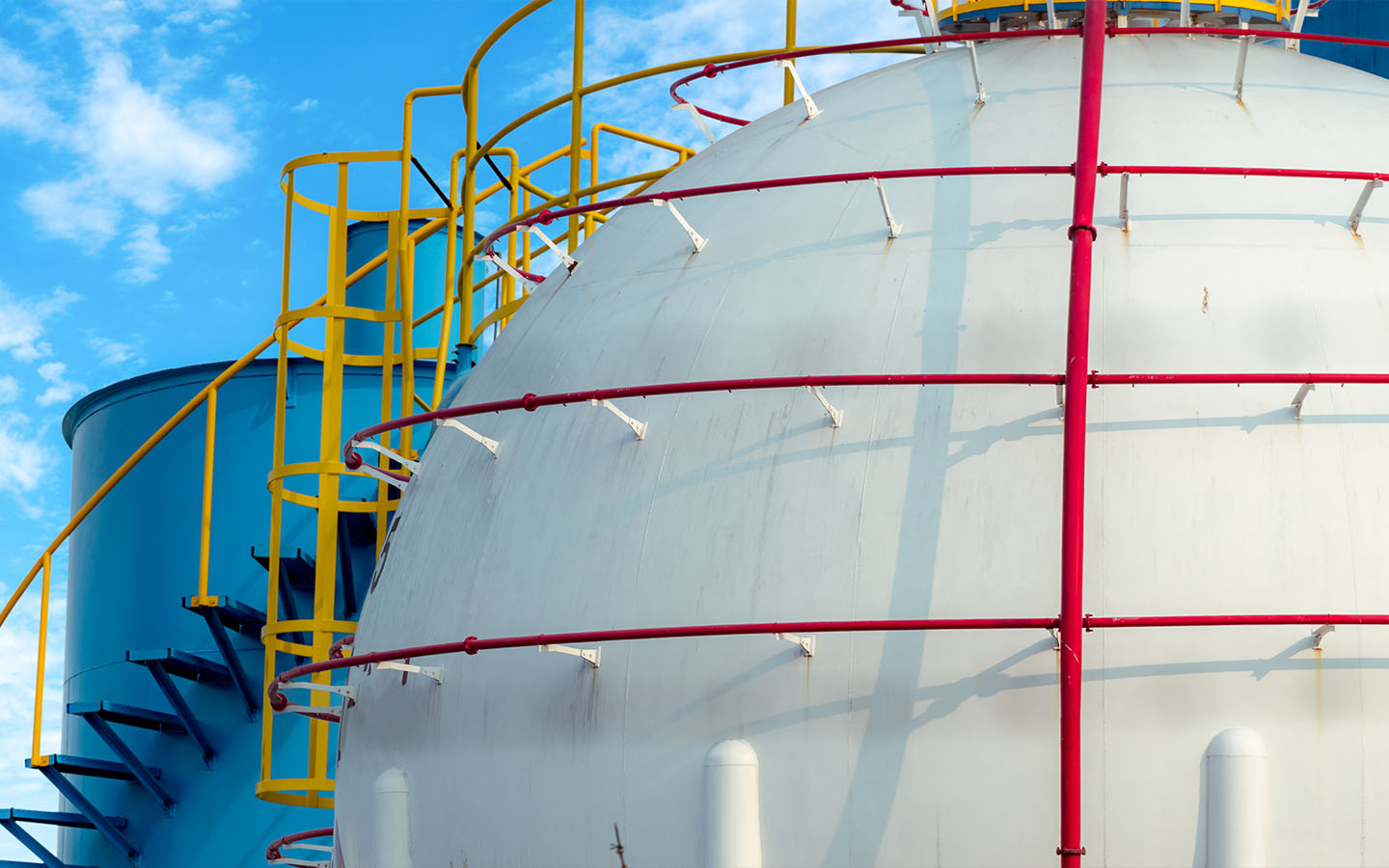
The US$4 billion gas processing plant in Soyo, a coastal city near the border with the DRC, has a processing capacity of approximately 400 million standard cubic feet per day of gas and 20,000 barrels per day of condensate. Built by the New Gas Consortium (NGC), the facility will source gas from Angola’s first standalone gas fields, the shallow offshore Quiluma and Maboqueiro fields.
Speaking at the inauguration ceremony, President João Lourenço emphasised that moving away from relying solely on gas associated with oil deposits guarantees additional production and that more developments like NGC “will come along.” The Soyo processing plant will supply fuel for domestic power, industrial units and liquified natural gas (LNG) exports.
[See more: Shell bets big on Angola, taking on new concessions in the Lower Congo Basin]
Originally operated by Italian energy giant Eni, the NGC project is now operated by Azule Energy, a 50:50 joint venture between ENI and British multinational BP. Azule Energy remains the largest stakeholder (37.4%), followed by Chevron subsidiary Cabinda Gulf Oil Company (31%), Angolan state-owned Sonangol (19.8%) and France’s TotalEnergies (11.8%). Angola’s National Oil, Gas and Biofuels Agency is the national concessionaire for the project.
The project includes two offshore platforms, a 50-kilometre transport system and the newly commissioned Soyo plant. Construction of the facility proved remarkably smooth, breaking ground in October 2023 and finishing six months ahead of schedule.
Angola is focused on using gas from the project to support electricity generation, petrochemicals, ammonia, and urea production, part of a wider plan to industrialise the economy and reduce dependence on crude exports. Diamantino Azevedo, the country’s minerals and petrol minister, said “This is only the beginning. We will continue developing additional gas resources offshore and onshore.”