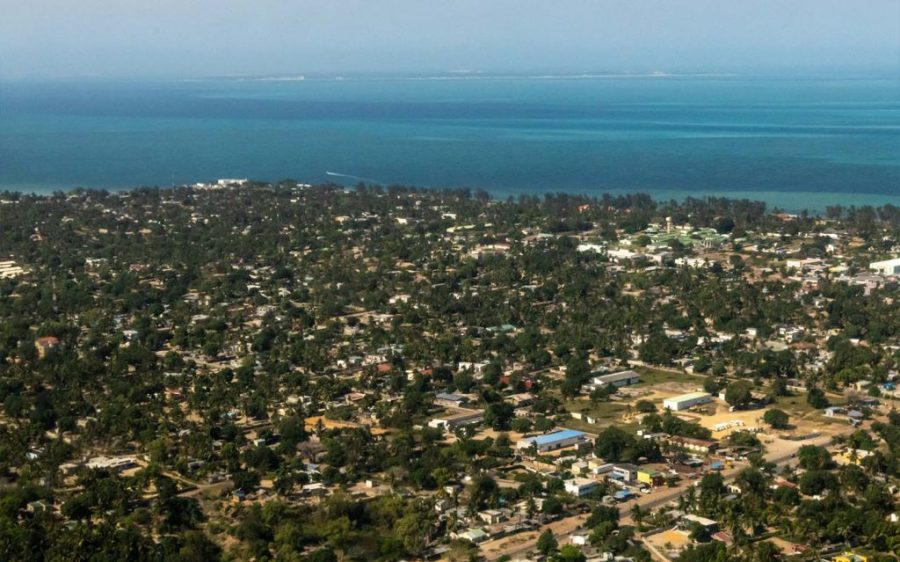
Officials issued a temporary ban on diving and swimming in one southern Mozambican district after a confirmed shark attack fatality, reports state-run news agency Agência de Informação de Moçambique.
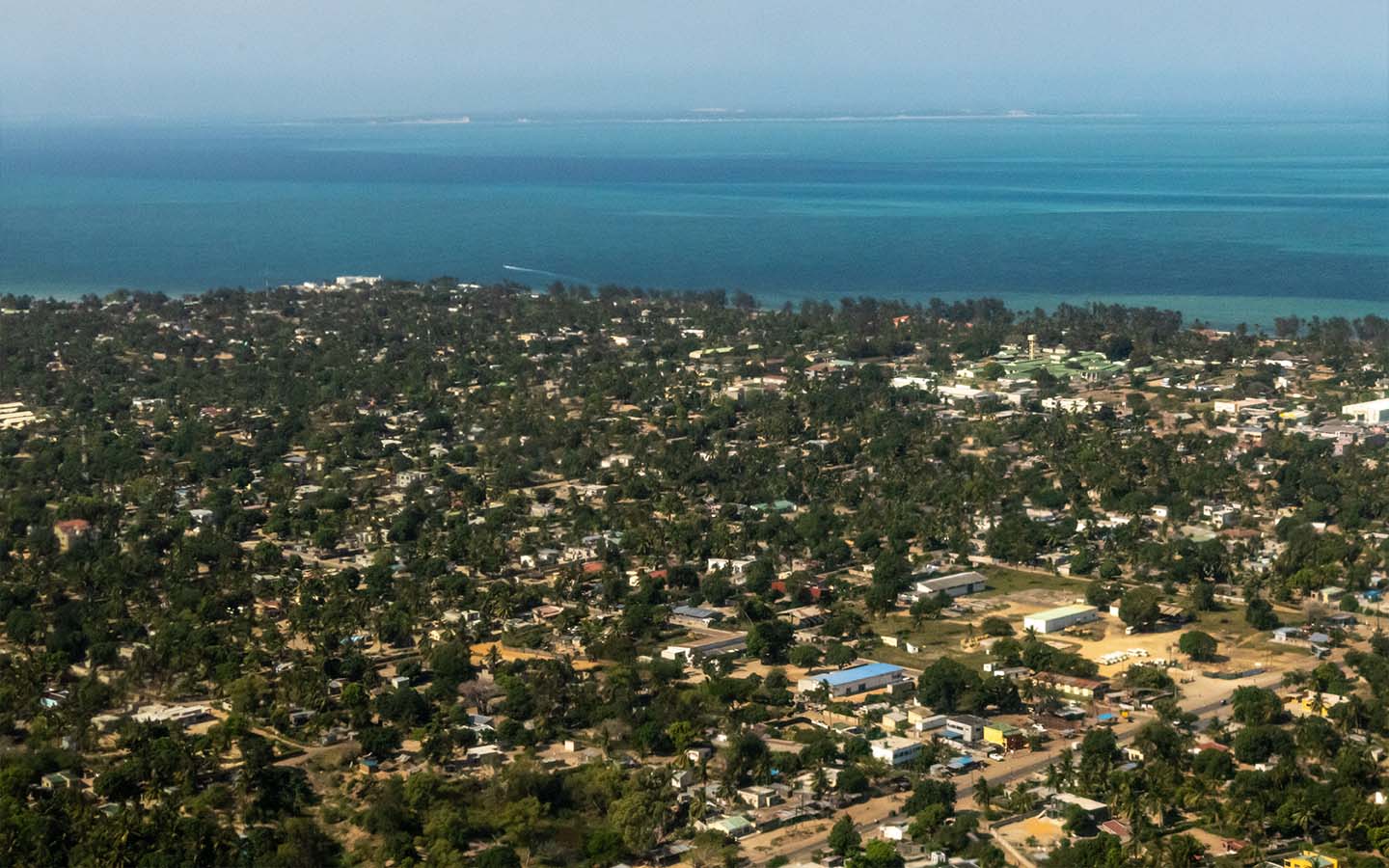
Vilanculos district, in the southern province of Inhambane, is one of Mozambique’s most popular tourist destinations. The picturesque beaches were crowded with foreign tourists enjoying the New Year period when a shark fatally attacked a fisherman diving in the area.
Maritime authorities have issued a temporary ban on diving and swimming in local waters after the attack, citing suspicions of increased shark activity along the coast. With these species in their spawning season, they will be more prone to territorial and aggressive behaviour.
[See more: LED camouflage may deter great white shark attacks]
A local official confirmed that the case is being treated as a public safety priority and that a commission has been created to monitor the situation. Authorities urged all sea users to respect the ban in order to prevent further attacks during the spawning period.
Days before the deadly attack, police in the Prainha district (Inhambane) recovered another body believed to be the victim of an attack “by an aquatic animal, presumably a shark.” Authorities have called for maximum prudence as a way to “safeguard human life.”Despite their fearsome reputation, sharks statistically pose little threat to humans. The Florida Museum of Natural History, which has catalogued all known shark attacks worldwide for nearly 70 years, recorded just 71 confirmed attacks on people and four deaths in 2024. Simple precautions can reduce individual risk even more, as well as avoiding the water during periods of heightened risk.