
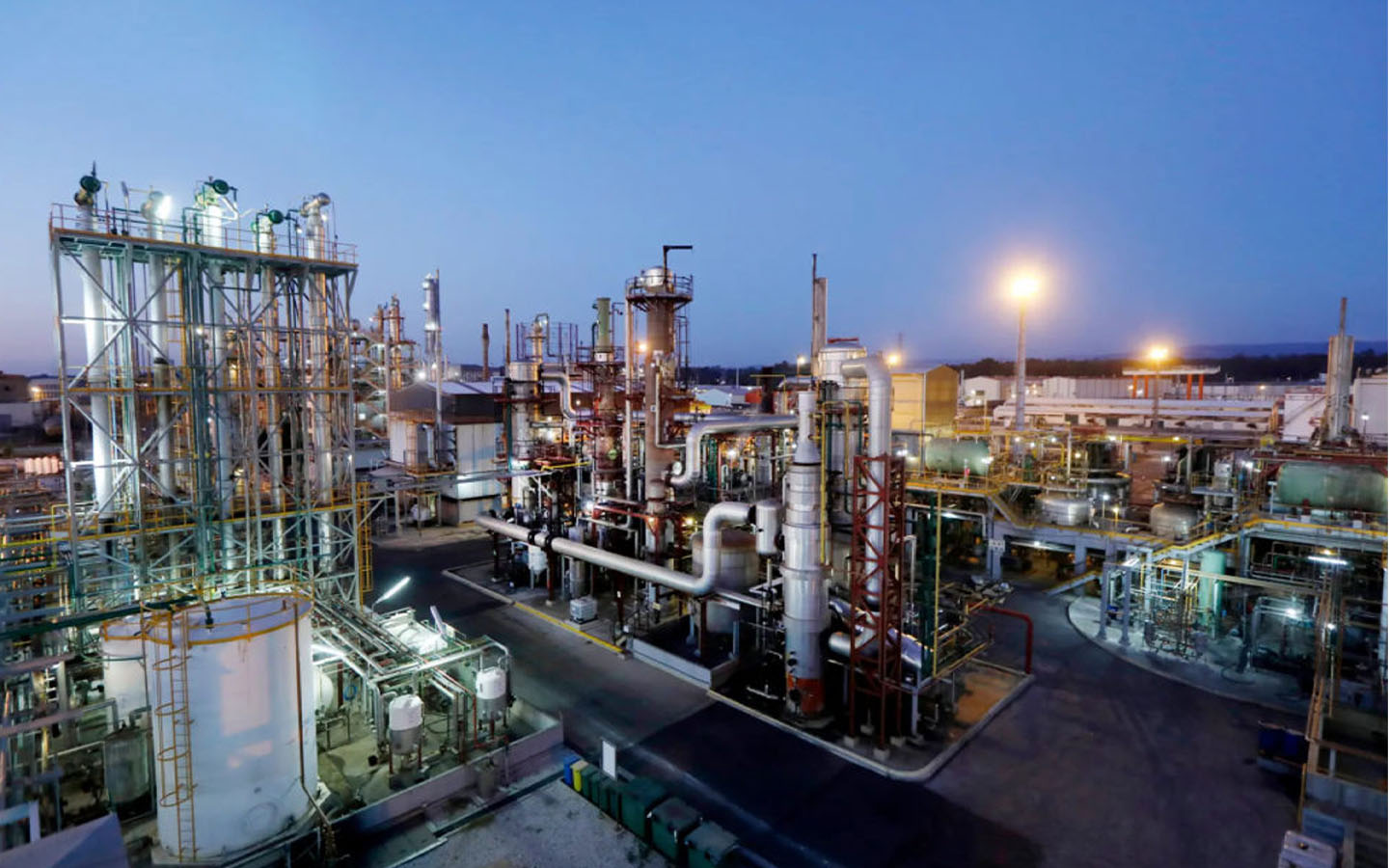
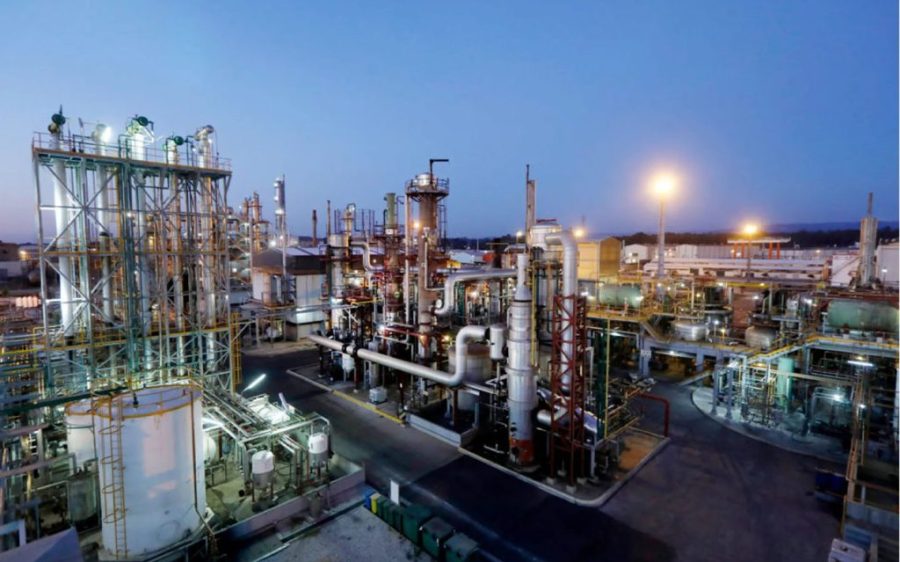
Portugal’s Lifthium Energy has secured a 180-million-euro (US$210 million) government grant to build a sustainable lithium refinery to support the growing electric vehicle battery market, reports Reuters.
Portugal boasts 60,000 metric tons of reserves and leads the continent in lithium production, mainly supplying the ceramics industry. It only recently sought to produce battery-grade lithium, a more expensive material of a much higher purity.
With the new refinery, Lifthium is aiming for an annual refining capacity of 50,000 tons of lithium hydroxide, enough to supply batteries for 2 million electric vehicles. The company said the non-refundable grant was awarded under the European Union’s Temporary Crisis and Transition Framework, which allows state incentives to speed the green and industrial transition.
The project is rooted in the development of a proprietary lithium refining technology, which was designed to meet the environmental and industrial requirements of the European market. It focuses on process efficiency, reducing the environmental footprint, promoting circularity and responsible integration in the battery value chain.
[See more: A newly announced Volkswagen EV is to be built in Portugal]
Lifthium is owned by Portuguese conglomerate Jose de Mello (85%) and its subsidiary Bondalti (15%), the country’s largest chemical producer. It plans to build the new refinery in Estarreja, some 50 kilometres south of Porto, where Bondalti already operates sites, at a total investment of 514 million euros (US$604.18 million). The company expects to create 134 new jobs.
“We are moving forward with rigor and prudence,” Lifthium Energy CEO Duarte Braga said in a statement, noting that the lithium market and Europe’s industrial environment have become significantly more challenging in the last two years. “This incentive is very important for the project, but the focus remains on building the necessary conditions to proceed to the next phase.”
According to the company, future steps will focus on securing a strategic partner and firming up market and financing conditions.
Portugal is meanwhile hoping this year will see the launch of a long-delayed tender for lithium prospecting licenses, viewed as a key tool for developing a domestic lithium value chain and reducing Europe’s reliance on imports.