China’s provincial governments are rolling out their 2026 economic growth targets, signalling a renewed push to stabilise growth while accelerating technological innovation as a key driver of regional development.
Guangdong, China’s largest provincial economy and a core part of the Guangdong-Hong Kong-Macao Greater Bay Area (GBA), has set a gross domestic product (GDP) growth target of 4.5 to 5 percent for 2026, the Global Times reports. The province expects average household income to grow at the same rate, and local budget revenue to increase by about 3 percent. It also plans to spend 535 billion yuan (US$76.9 billion) on research and development (R&D), according to its provincial government work report.
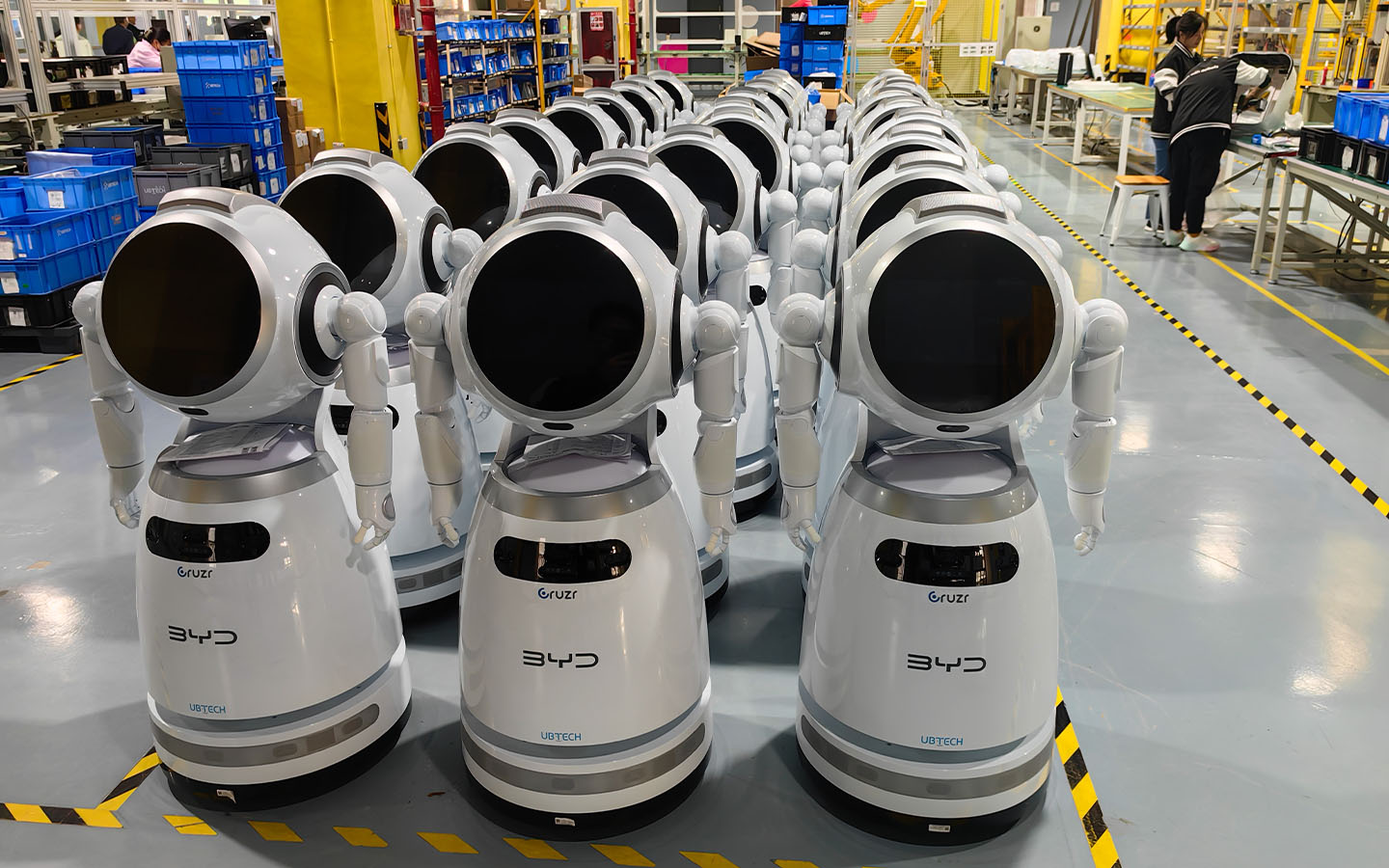
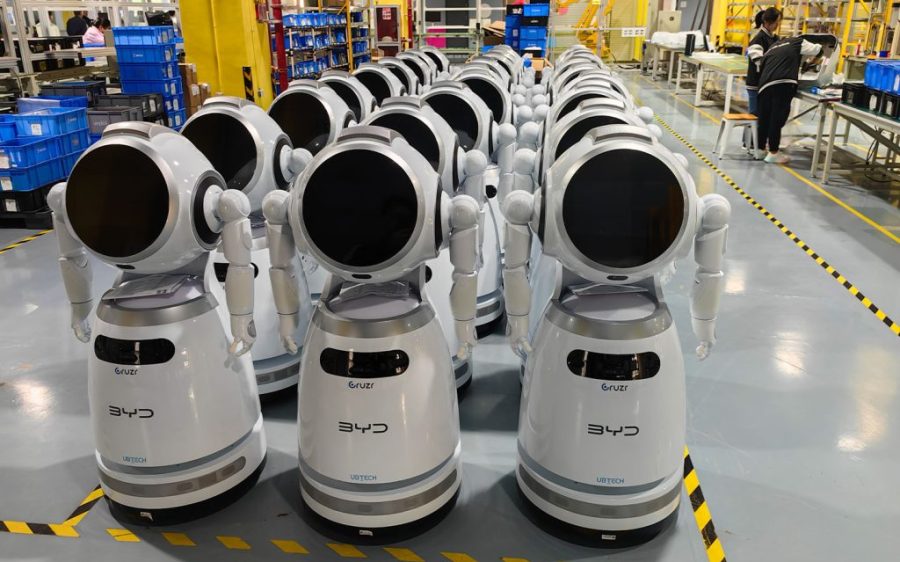
The report places high-tech manufacturing and emerging industries at the forefront, emphasising growth in fields like intelligent robots, the low-altitude economy, integrated circuits, new energy, intelligent connected vehicles, aerospace and biomedicine. Specifically, goals include getting 11 Guangdong companies named among the world’s top 100 listed humanoid robot firms and conducting 20.6 million low-altitude flights during the year.
[See more: Macao’s economy is expected to remain stable in the first quarter]
Guangdong also plans to cultivate future-facing sectors such as 6G, brain-computer interfaces (BCI), gene therapy, deep-sea exploration, hydrogen and advanced nuclear energy, and quantum technologies.
Central China’s Henan province, meanwhile, has set an average growth target of around 5 percent for the 2026 to 2030 period, pledging to strengthen its manufacturing sector, agriculture, digital industries, cultural tourism and more. The province aims to lift annual R&D spending by more than 10 percent and raise the share of strategic emerging industries to 30 percent of output among major industrial firms.
Beijing is also targeting provincial GDP growth of about 5 percent in 2026, with officials emphasising the development of “new quality productive forces” and the upgrading of traditional industries. The capital plans to mobilise more than 1 trillion yuan in investment this year, spanning science and technology, infrastructure and public services.
Wang Peng, an associate research fellow at the Beijing Academy of Social Sciences, told the Times that the targets reflected a broader national strategy prioritising both the scale and quality of growth. He said provincial governments were placing greater weight on value-added, innovation-driven sectors as China navigated slower economic expansion and global uncertainty.