Hong Kong’s bar owners are going through a tough year, with a string of high-profile closures in the city’s Central district underscoring mounting pressures from rising costs, weaker international tourism and shifting consumer habits, the South China Morning Post reports.
Many of the now-folded businesses were deemed iconic, and some had been operating for more than a decade, sending shockwaves through a bar scene that is home to the world’s best bar.
Liberty Exchange Kitchen & Bar closed in March after 15 years, followed by speakeasy Stockton in May and the Envoy in June. More recently, the Daily Tot ceased operations on December 2, while Foxglove has announced it will close by year-end after 10 years in business.
David Sit, chief executive of Singular Concepts, which operated the Daily Tot, described the situation as the result of “interconnected economic headwinds” reshaping the city’s social landscape.
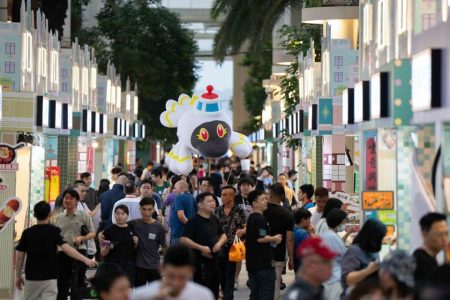
High rents and operational costs have shrunk margins and squeezed bars’ profits, a trend exacerbated by a change in tourism patterns. While overall visitor arrivals have gone up, the number of foreigners – mid-high end bars’ traditional customer base – has not. Operators note that mainland tourists tend to spend less on alcohol and nightlife, translating to less money flowing into bars.
[See more: Hong Kong’s Bar Leone tops the World’s 50 Best Bars list]
At the same time, Hong Kong residents are increasingly travelling north to Shenzhen for dining and entertainment, where prices are significantly lower. Sit said the widening price gap within the Greater Bay Area has accelerated this consumer outflow, further weakening local demand.
Changing lifestyle habits have added to the pressure. Data from the Department of Health showed annual per capita alcohol consumption in Hong Kong fell 22 percent between 2017 and 2023, reflecting greater health consciousness and reduced interest in drinking.
According to Sit, customers are seeking “one-of-a-kind experiences with a local or authentic touch” while becoming far more cost and health-conscious.
Foxglove co-director Shakib Pasha agreed bars were now expected to offer standout experiences at prices customers feel represent clear value, while also dealing with rising ingredient costs and difficulties attracting experienced international staff.
Those realities made hospitality “a very tough industry”, Sit noted. He said that after running the numbers for the Daily Tot, it was clear the business was “financially unsustainable in the current operational environment.”