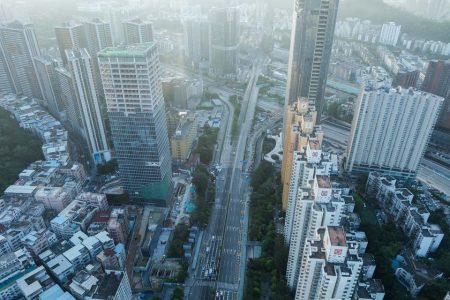
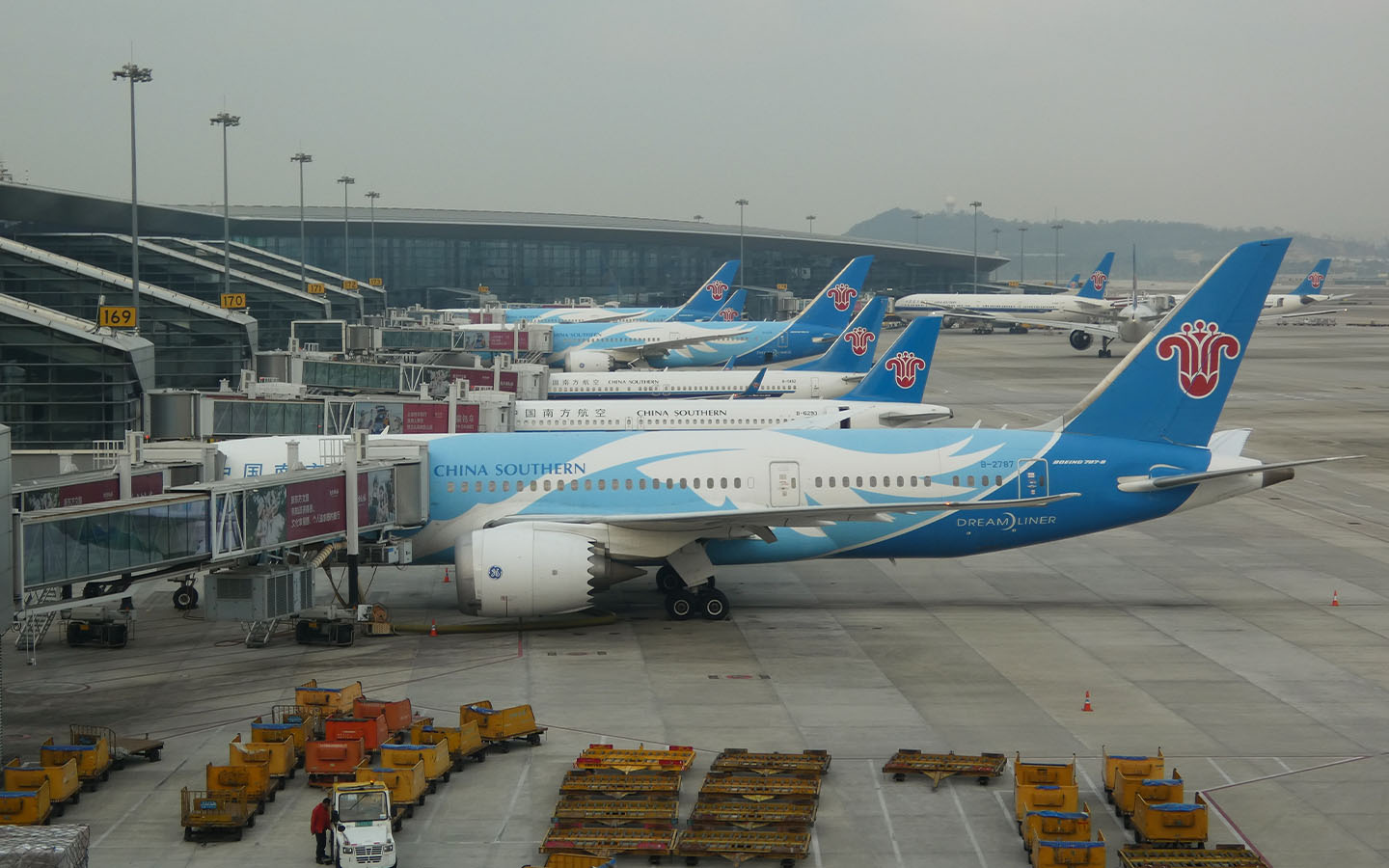
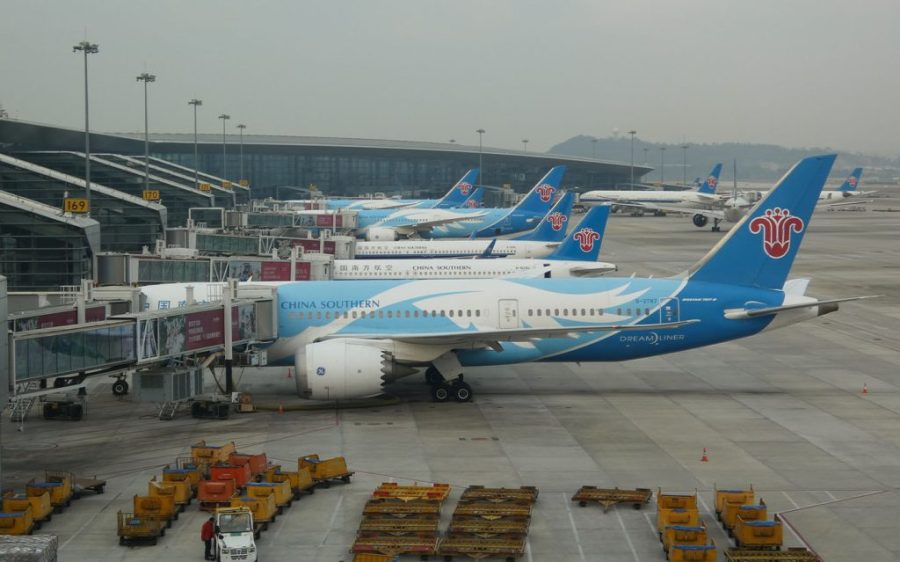
Guangzhou Baiyun International Airport has rejoined the ranks of the world’s top 10 busiest airports, underscoring the Greater Bay Area’s growing weight in global aviation as international travel continues to slowly normalise after the pandemic.
According to the latest global traffic rankings from Airports Council International (ACI), Baiyun handled 83.58 million passengers in 2025, lifting it from 12th place in 2024 to 9th last year and back into the global top tier.
The achievement marks a sustained rebound for Guangzhou. In 2024, Baiyun processed 512,004 aircraft movements, up 12.3 percent year-on-year, and ranked 10th worldwide for takeoffs and landings. It also placed 9th globally for cargo and mail, handling more than 2.37 million tonnes – a 16.9 percent increase from 2023 – consolidating its role as a major freight hub for southern China.
Local authorities say annual passenger throughput exceeded 80 million for the first time in 2025, with international travellers accounting for more than one-fifth of the total and growing close to 20 percent year-on-year.
[See more: Guangzhou’s Baiyun International Airport secures top award amid record growth]
Guangzhou’s resurgence comes as Chinese airports more broadly return to growth mode. Shanghai Pudong has climbed to fifth place worldwide, but Baiyun’s move back into the top 10 is particularly significant for the Greater Bay Area, where it serves as a primary international gateway alongside Hong Kong International Airport.
Officials and analysts point out that Guangzhou’s hub function is increasingly intertwined with regional economic integration, funnelling traffic to manufacturing centres in the Pearl River Delta and connecting them to long-haul markets in Europe, the Middle East and the Americas.
To keep pace with demand, Baiyun last year completed one of China’s most ambitious airport expansion programmes, with the new Terminal 3 adding around 422,000 square metres, two additional runways and expanded cargo facilities, ultimately lifting designed capacity towards 140 million passengers a year by 2040.
At the same time, construction has begun on a second airport in neighbouring Foshan, featuring two parallel runways and a 260,000-square-metre terminal in its first phase, intended to handle 30 million passengers annually.