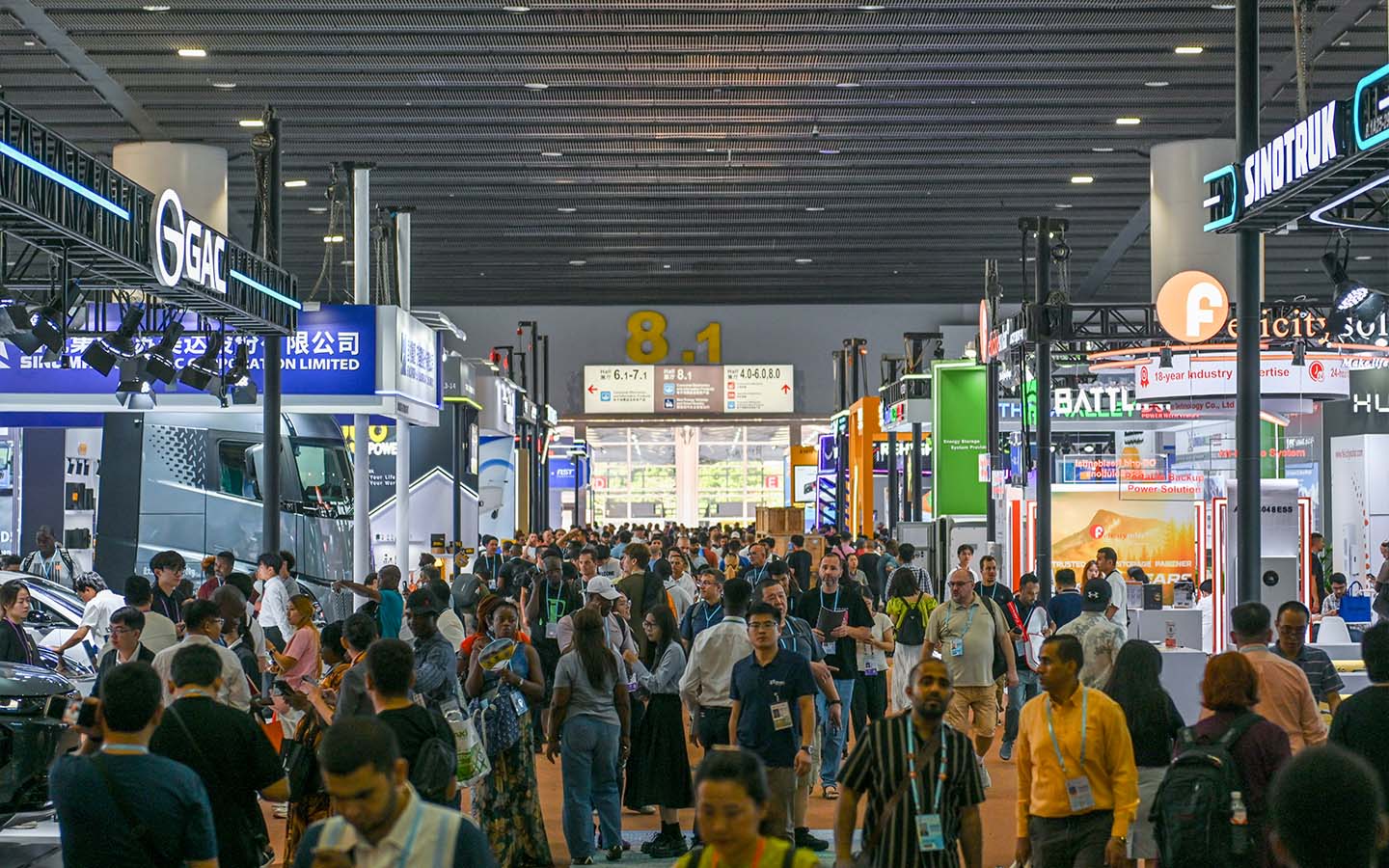
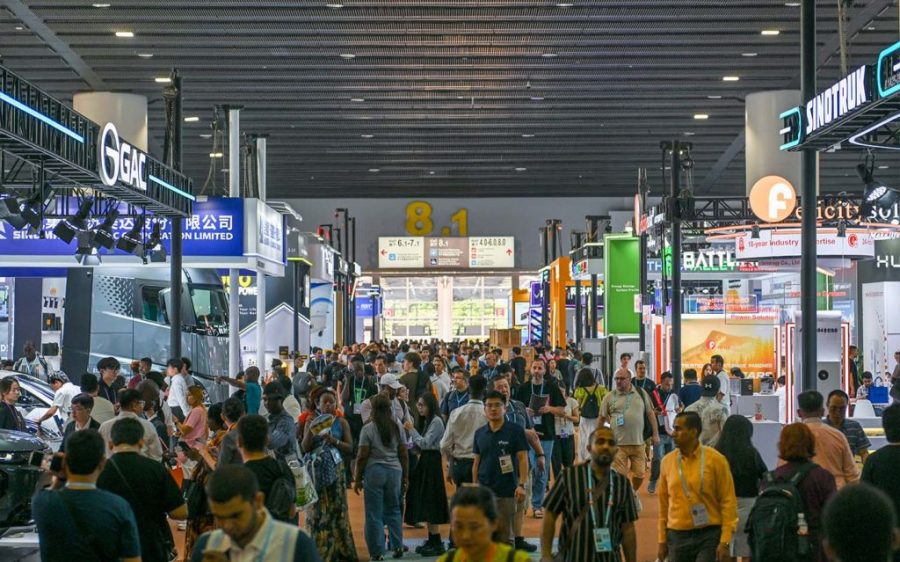
China’s biggest trade showcase throws open its doors in Guangzhou today, with the 139th Canton Fair promising more exhibitors, more innovation and a sharper focus on advanced manufacturing as global buyers hunt for new supply-chain partners.
Running from 15 April to 5 May in three phases, the fair spans 1.55 million square metres of exhibition space and features 75,700 booths, surpassing previous editions. Organisers say more than 32,000 companies are taking part onsite, including around 3,900 first‑time exhibitors,
highlighting how the event is widening access for private firms and emerging manufacturers.
The online platform, introduced during the pandemic era, continues to operate year‑round as a digital showroom and deal‑making hub.
[See more: Greater Bay Area’s foreign trade surges 22.4 percent in the first two months of 2026]
Phase one, running 15-19 April, puts the spotlight on advanced manufacturing, from industrial automation and smart equipment to new energy vehicles and green power systems. Traditional strengths such as machinery, hardware and tools sit alongside high‑growth segments including electronics, home appliances and intelligent mobility, reflecting China’s push up the value chain.
Later phases will feature consumer goods, home décor, textiles and lifestyle products, drawing a different wave of overseas buyers.
Guangzhou officials describe this year’s fair as a “milestone in global trade innovation,” pointing to eight new specialised zones designed around themes such as smart living, low‑carbon solutions and design‑driven brands. Sustainability and digitalisation will run through many of the launches, from energy‑saving appliances and EV components to AI‑enabled consumer tech.
Airlines and hotels have meanwhile reported stronger advance bookings, while logistics providers expect a bump in cargo enquiries as buyers combine showroom visits with factory tours across the Pearl River Delta. With geopolitical tensions still reshaping sourcing strategies, organisers are pitching Guangzhou as a one‑stop, relatively resilient hub where buyers can diversify risk without abandoning China’s manufacturing depth.