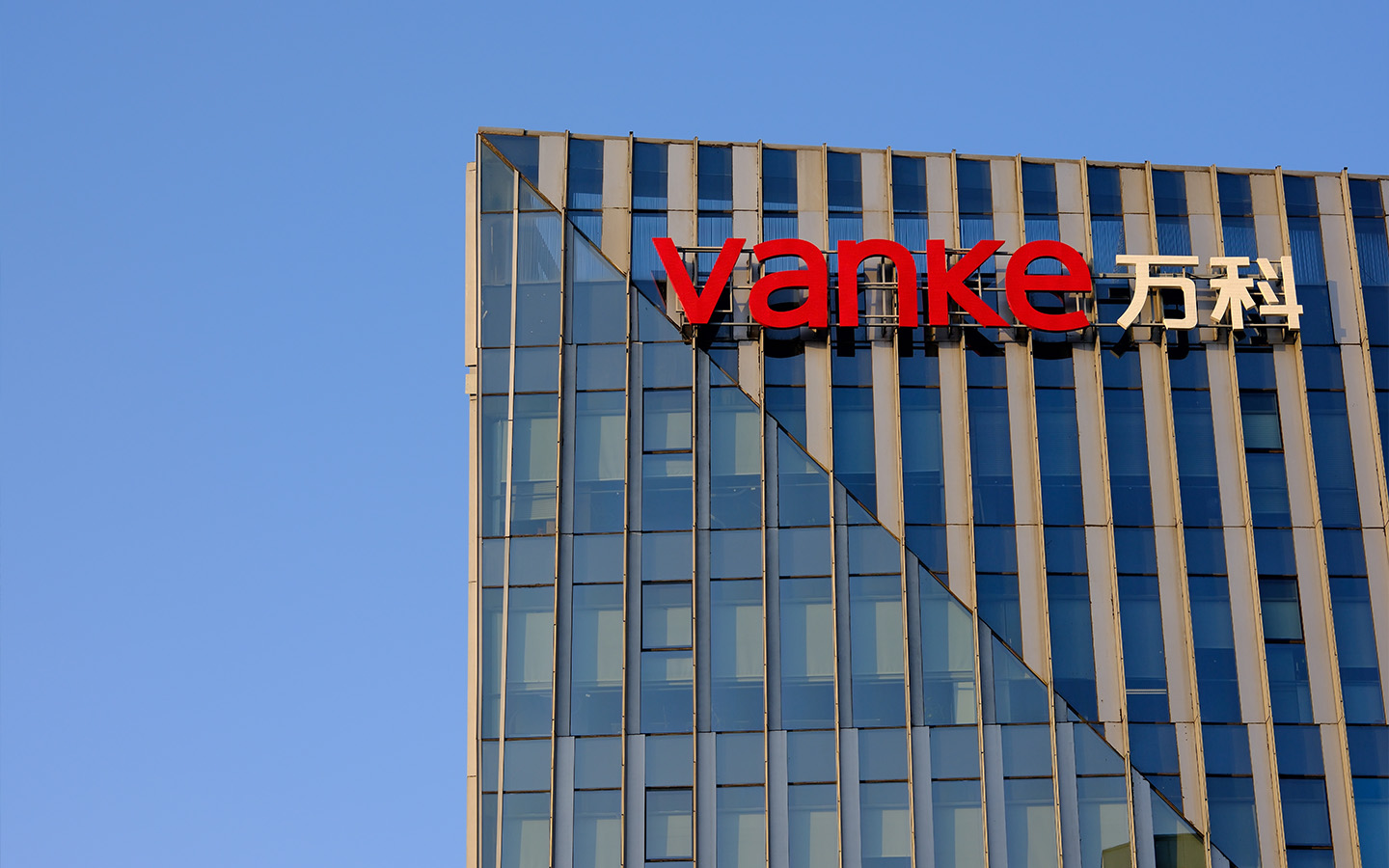
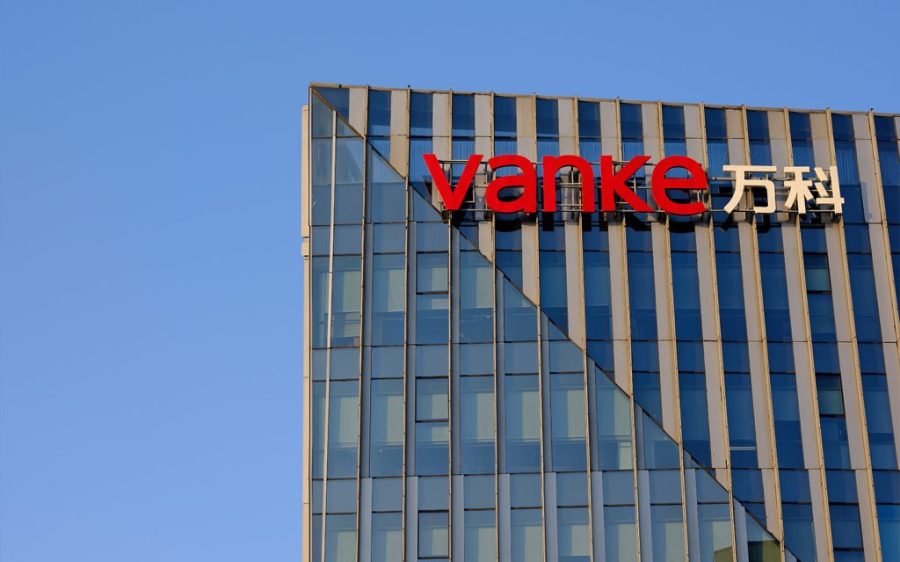
The Shenzhen municipal government is drafting a potential rescue package worth about 80 billion yuan (US$11.58 billion) for embattled property developer China Vanke. The news was first reported by financial publication Octus on Wednesday, and has been cited by Reuters.
It follows central government directives for a “no default” approach toward developers amid continued strain across China’s real estate sector, according to Octus’ sources.
The draft package is said to include a proposed placement of 20 billion yuan worth of Vanke shares, though details on pricing, timing and investor participation have yet to be disclosed.
The report comes after Vanke last month secured bondholder approval to defer repayments on three yuan-denominated bonds, giving the developer more time to negotiate its other debt obligations.
Neither Vanke, the Shenzhen government nor the State-owned Assets Supervision and Administration Commission (SASAC) have officially confirmed details around any rescue packages.
[See more: ‘Decisive end’ to China’s property boom as residential construction hits 25-year low]
Once regarded among the country’s financially strongest developers, Vanke was recently described by Bloomberg as “one of China’s last major developers to so far avoid debt failure.”
Currently burdened by US$50 billion of interest-bearing liabilities, the company tumbled from 206th place in 2024 Fortune Global 500, to 319th in 2025.
China’s property crisis started in 2021, when the behemoth developer Evergrande effectively collapsed under more than US$300 billion of debt. This was triggered by new restrictions on borrowing issued by the central government (known as the “three red lines” policy) and erased millions of households’ savings – contributing to subdued domestic spending that still weighs on the economy.
Beijing reportedly canned the “three red lines” policy last month.