
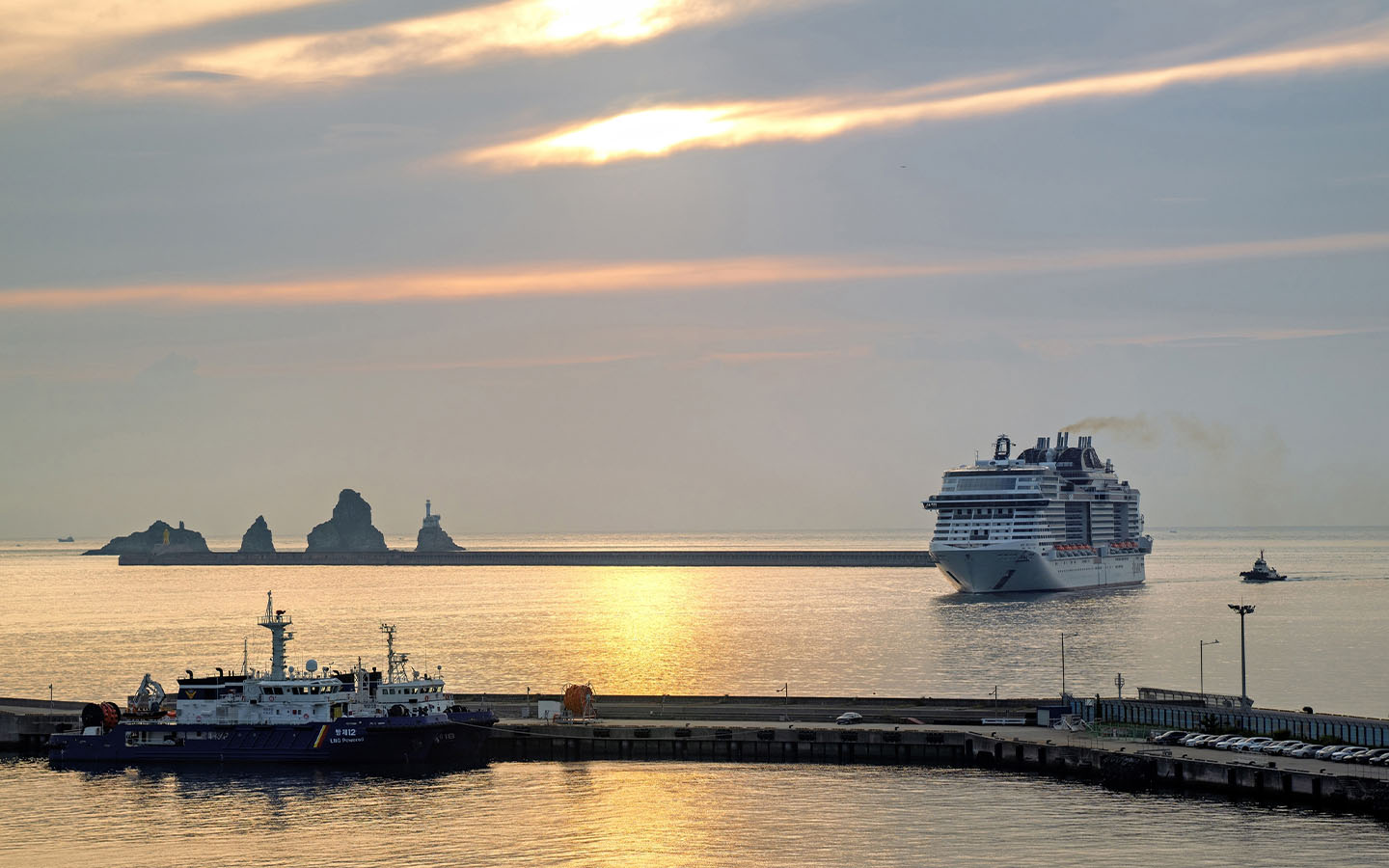
Unprecedented numbers of Chinese cruise ships have been flocking to South Korean ports since tensions between Beijing and Tokyo flared late last year, Chosen Daily reports. The shift is fuelling a rapid rebound in cruise tourism to coastal cities like Busan and Incheon, as the ships re-route from Japan.
As of 21 January, six such vessels had already docked at Busan Port this year – fast approaching last year’s total tally of eight. The Busan Port Authority said 173 Chinese cruise ships had declared entry for 2026 so far, roughly 22 times last year’s total.
That puts the city on track to receive more than 660,000 cruise passengers, compared with just over 39,000 a year earlier. Officials expect total cruise visitors, including non-Chinese passengers, to exceed 900,000 this year, the highest level since the port opened.
Incheon is seeing a similar, if smaller-scale, surge. The port has received entry declarations from 54 cruise ships this year, up from five last year, an 11-fold increase. Port officials said inquiries from cruise operators were continuing, and the number of arrivals was likely to rise.
[See more: Japan suffers a huge drop in Chinese tourism amid Taiwan tensions]
Cruise industry sources told the Daily that “recent diplomatic conflicts” between China and Japan made Japanese ports less attractive for Chinese travellers, prompting a pivot toward South Korea. Indeed, Japan’s transport ministry has confirmed that Chinese arrivals almost halved in December, after Beijing urged citizens to avoid the country.
Its warning was in reaction to remarks by Japanese Prime Minister Sanae Takaichi suggesting that Japan could become militarily involved if a conflict in the Taiwan Strait posed an “existential threat” to the country. Beijing seeks to be reunified with Taiwan under the One China policy – by force if necessary – and has reacted angrily to the comments.
The economic benefit for South Korea is significant, with local merchants near ports in Busan and Incheon reporting higher foot traffic, particularly at seafood markets, restaurants and duty-free shops. According to the Jeju Tourism Organization, a single cruise ship carrying around 3,000 passengers can inject roughly 800 million won (US$551,000) into the local economy.
Local governments are now racing to capitalise on the influx. Busan and Incheon have expanded marketing efforts on Chinese travel platforms and are rolling out shuttle buses and tailored tourism routes linking cruise terminals with major attractions, while central government agencies are considering increasing immigration staffing to manage peak arrivals.