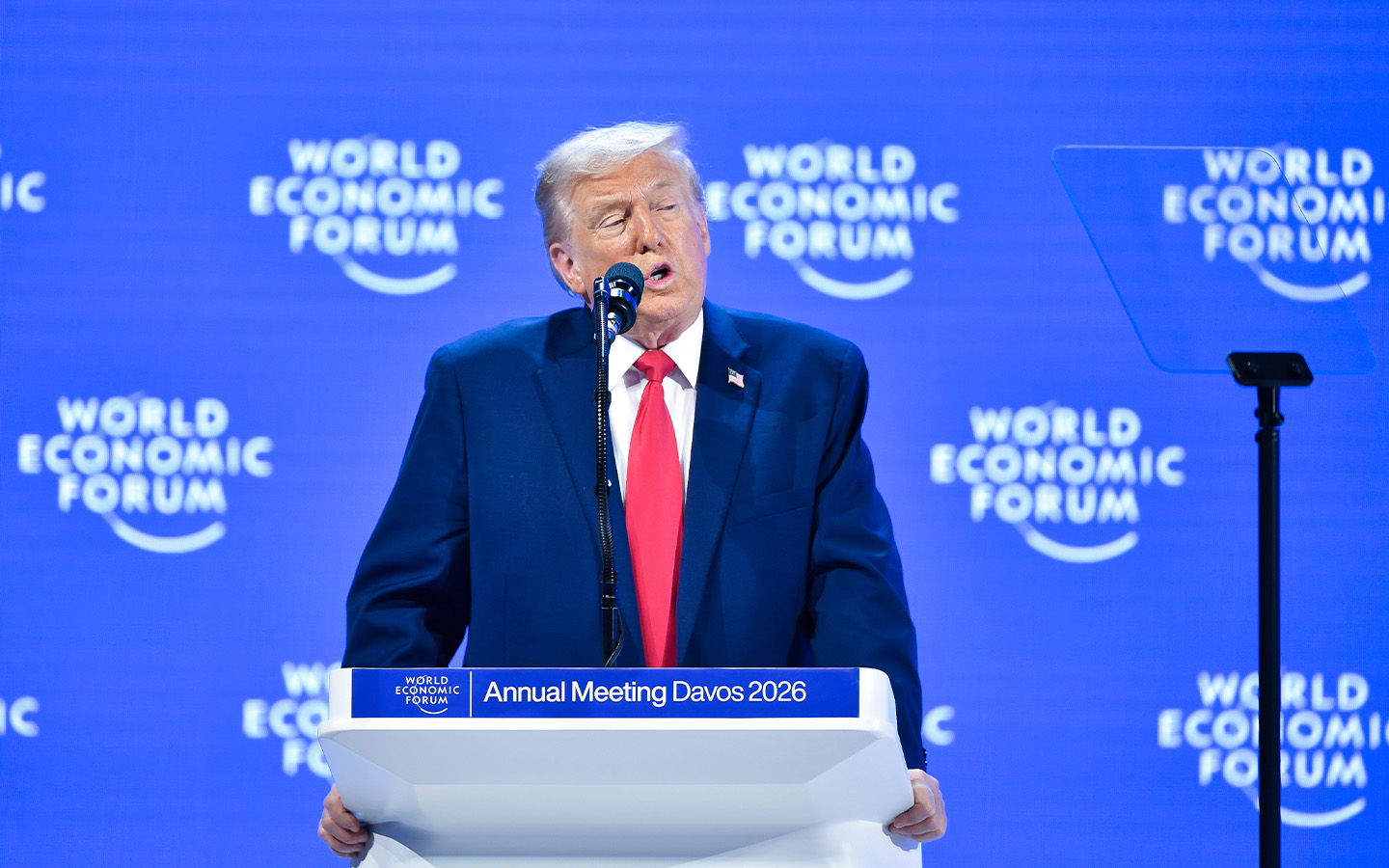
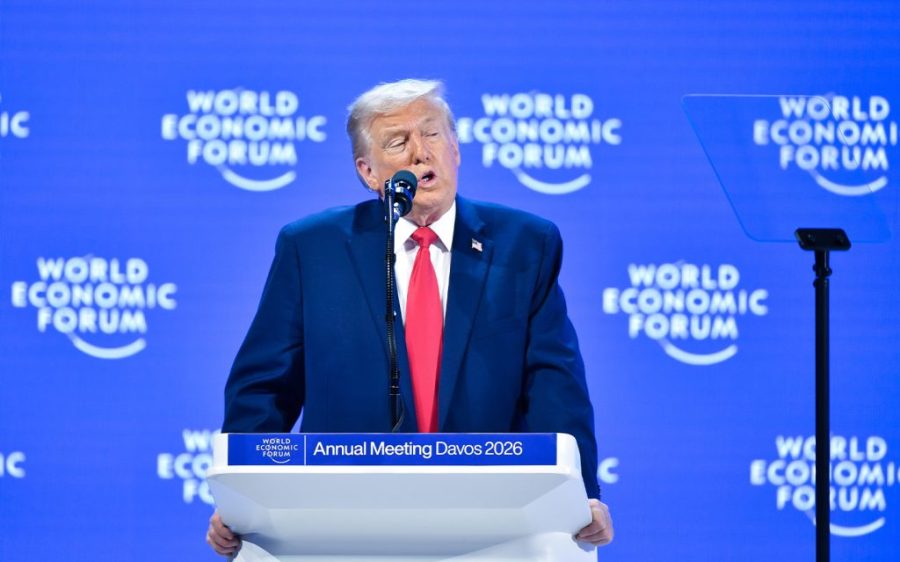
Donald Trump’s combative address to the World Economic Forum in Davos has triggered a fresh wave of speculation that NATO may be entering its terminal phase, as leaders and commentators grapple with whether the Western alliance can survive an openly hostile US president.
Speaking in Davos a day before Trump, Canadian prime minister Mark Carney framed the wider geopolitical context as nothing less than a break with the post‑war era that produced NATO. “We are in the midst of a rupture, not a transition,” he said, arguing that the “pleasant fiction” of a US‑anchored liberal order had given way to a harsher world in which great powers openly weaponise economic ties and security guarantees.
[See more: Trump’s grip on energy offers dangerous leverage amid Europe-US tensions]
Carney warned that the “old world order is not coming back,” and called on “middle powers” to build new coalitions to protect their interests as Washington and others turn alliances into instruments of leverage, rather than shared security. His remarks, delivered before Trump’s speech, were widely read afterwards as a diagnosis of NATO’s predicament.
An alliance under open attack
Trump’s own address intensified those fears. On stage in Davos he again questioned Europe’s commitment to defence, portrayed NATO as a bad deal for the United States and folded the alliance into a broader argument that Washington must be free to act unilaterally over Greenland and other strategic territories.
Although he stopped short of threatening to withdraw the US from NATO, Trump repeatedly suggested that allies could not take American security guarantees for granted, and cast doubt on whether the United States should automatically come to the defence of partners he considers to be “delinquent” on spending. A CNN fact‑check later described his address as a “barrage” of misleading claims about NATO finances and burden‑sharing.
The response among some European and global commentators has been bleak. “NATO as we know it is coming to an end,” read the headline of an opinion piece published in today’s New York Times.
[See more: European troops arrive in Greenland amid continued US threats]
An Al Jazeera analysis, published shortly after the speech, asked whether Trump’s approach signalled “the end of the world as we know it,” arguing that US actions had effectively brought the post‑1945 rules‑based order – with NATO as its military core – to a close. Richard Shirreff, NATO’s former deputy supreme allied commander Europe, was quoted describing the United States as having shifted from ally to “predator.”
Other analysts suggest that the alliance may now exist more on paper than in practice. A series of papers and commentaries produced around the 2025 NATO summit had already warned that the bloc stood at a “pivotal crossroads,” with increased defence spending masking deep strategic and political doubts. Trump’s Davos appearance, some argue, turns those doubts into open questions about whether Article 5 – the pledge that an attack on one is an attack on all – can still be assumed to apply in a crisis.
Europe looks beyond Washington
European leaders have publicly rejected the notion that NATO is finished, but several have begun talking more openly about planning for a future in which US reliability is uncertain. In his Davos speech, Carney argued that allies needed “principled and pragmatic” strategies to cope with a world in which security partnerships can no longer be taken for granted, and pointedly linked this to debates over Arctic defence and Greenland.
Across the continent, officials have called for accelerated defence integration and greater European “strategic autonomy,” even as they insist that NATO remains the cornerstone of regional security. Commentators at think‑tanks such as the Atlantic Council say Trump’s Greenland gambit and Davos rhetoric will likely push European governments to increase their own capabilities and seek more resilient arrangements with Canada and other like‑minded states, in case US policy swings again.
[See more: Talks in Washington over Greenland end in ‘fundamental disagreement’]
To be sure, NATO’s formal structures remain intact. The alliance continues to expand its deployments on its eastern flank, fund long‑term support for Ukraine and plan for higher defence spending targets agreed at previous summits.
But, tellingly, while Trump spoke at Davos, Washington announced the withdrawal of 200 US personnel from key military planning and intelligence positions at NATO. The political psychology around the alliance has also changed. Carney’s description of a world no longer underwritten by unquestioned US leadership, combined with Trump’s willingness to use NATO as a bargaining chip in disputes over tariffs and territory, has left many leaders and analysts speaking of an order that has already ended, even if its institutions have not yet caught up.