
A bit of gentle electrical stimulation can push people toward more selfless choices, suggesting altruism is hardwired into our brains.
Researchers investigating the brain mechanisms behind altruism recruited 44 participants to play the Dictator Game, reports the BBC. In the game, players decide how to split a sum of money with an anonymous person. The total amount of money varies round by round and participants can choose to end up with more or less money than the other participant.
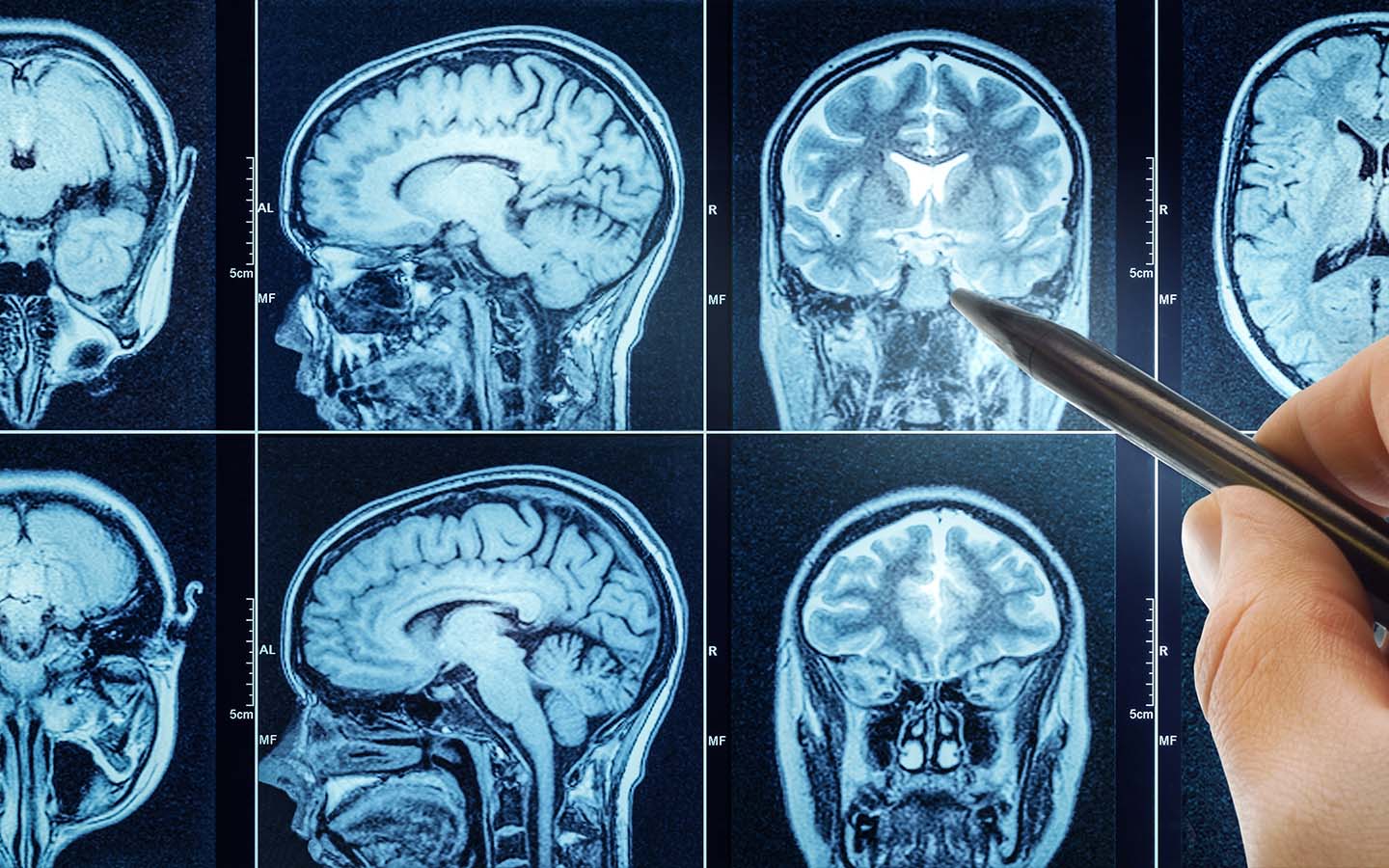
Researchers found that applying an electrical current to the frontal and parietal lobes of the brain triggers a particular brain response. When the two areas were synchronised with this weak electrical stimulation, described by one anonymous volunteer as feeling “like a warm shower or small drops of rain”, participants became more generous, more likely to offer higher amounts of money to their partner – even if doing so meant they earned less.
“Statistically, we really see an increase in their willingness to pay,” co-author Christian C Ruff, a professor of neuroeconomics and decision neuroscience at the University of Zurich, told the BBC. “The effects were not huge, but they’re consistent.”
[See more: Musical instinct appears to common across culture]
The study, published in the journal PLoS Biology, builds on previous research that monitored participants’ brain activity while playing the same money-sharing game. Researchers earlier identified two areas of the brain that appeared to be “talking to each other” when participants gave away more money. Synchronised activity between the frontal and parietal lobes, areas known to play a role in decision-making and in empathy, appeared when a more selfless decision was made.
The second study provides evidence of cause and effect, explained Dr Jie Hu, co-author on both studies and professor at East China Normal University. “When we altered communication in a specific brain network using targeted, non-invasive stimulation, people’s sharing decisions changed – shifting how they balanced their own interests against others.”
Such a consistent brain mechanism tied to a specific behaviour, Ruff told BBC Radio 4’s Inside Science, suggests that it is “part of our biological nature,” with altruism hardwired into humans. Knowing that mechanism “improves our basic understanding of how the brain supports social decisions, and it sets the stage for future research on cooperation – especially in situations where success depends on people working together.”