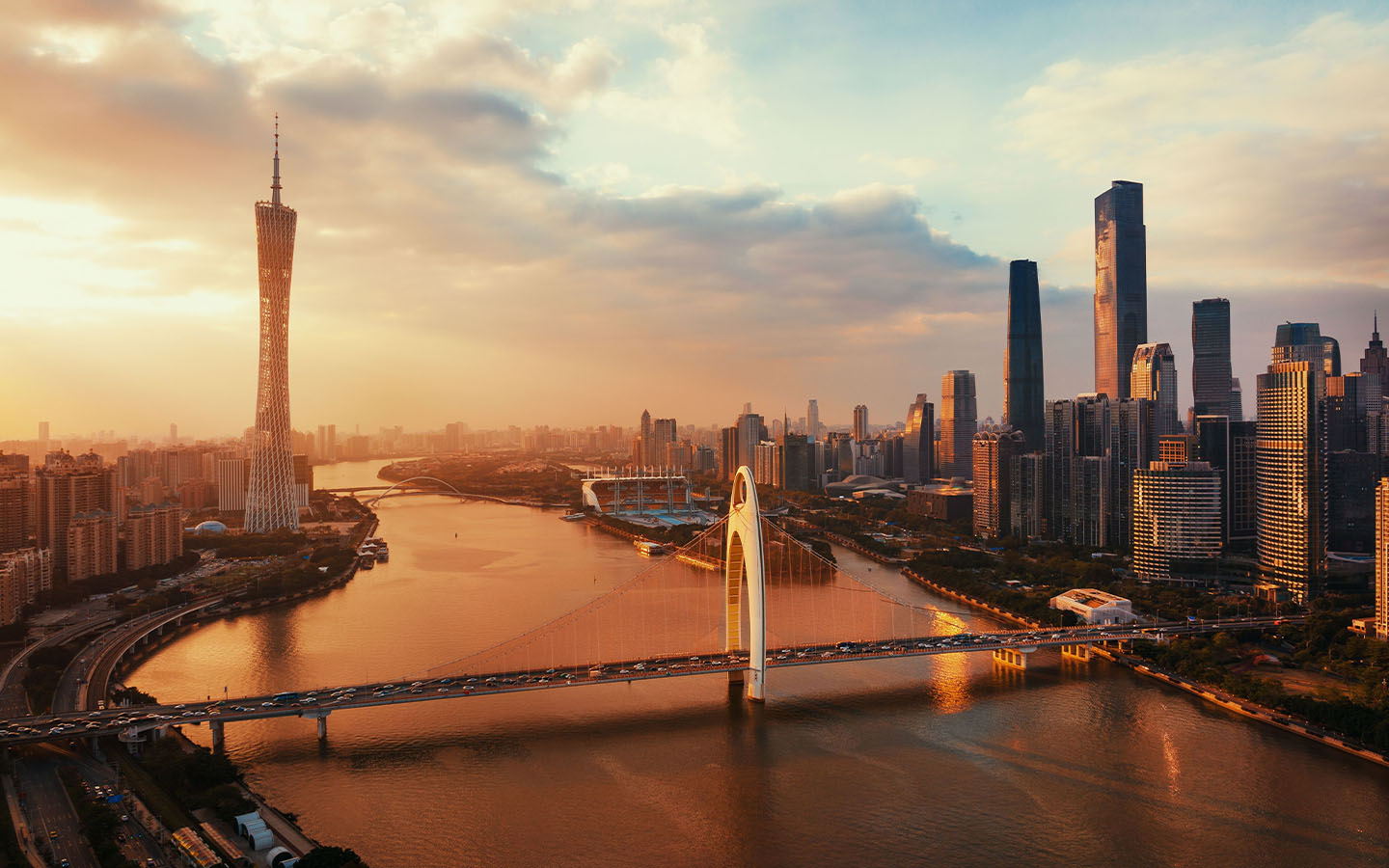
Guangzhou has inaugurated a new, specialised 20 billion yuan (US$2.9 billion) investment fund to guarantee robust capital and application opportunities for its artificial intelligence sector, supporting its strategic objective of becoming a global epicentre for vertical AI models. The news was reported in multiple media outlets.
The core mechanism of this fund involves using financial input from the Guangzhou government to successfully attract substantial private sector capital, thereby boosting the local AI industry’s development. Liu Zhiguang, deputy director of the Guangzhou Municipal Finance Bureau, confirmed these details at a launch conference on 14 April.
The municipal government’s direct financial commitment to the fund will not surpass 35 per cent, while the combined contribution from the city and district governments is capped at 40 per cent. The initial phase will see the establishment of three sub-funds, each valued between 500 million and 3 billion yuan (US$73.3 million to US$440 million).
To ensure effective investment and management, Liu emphasised that a comprehensive lifecycle performance system will be implemented for the fund, featuring a minimum yearly return threshold of 4 percent. The overarching aim is to ensure the capital is well-managed, recoverable, and yields beneficial outcomes.
[See more: China’s OpenClaw AI craze: the tool engineers love and regulators fear]
This new initiative builds upon existing public-sector investment. As of the close of last year, government-owned enterprises in Guangzhou oversaw more than 500 funds. Nearly 200 of these, representing a combined scale of over 160 billion yuan (US$23.4 billion), already prioritised the AI industry as a key investment direction, according to the Guangzhou State-Owned Assets Supervision and Administration Commission.
These existing AI-focused funds have supported various elements of the supply chain, including AI chips, visual algorithms, smart driving, and embodied intelligence. Investment has been directed towards several hard-tech companies, such as CanSemi Technology, Cambricon Technologies, and Unisoc Technologies.
The local government detailed its ambitious vision last month in a policy document that sets out clear targets for achieving its goal of becoming a “global hub for vertical AI models with significant influence.”
By 2030, Guangzhou intends to establish 10 industry application common tech service platforms. It also plans to develop hundreds of highly competitive vertical AI models, establish thousands of scenario application test zones, and attract or cultivate more than 10,000 AI+ companies.