
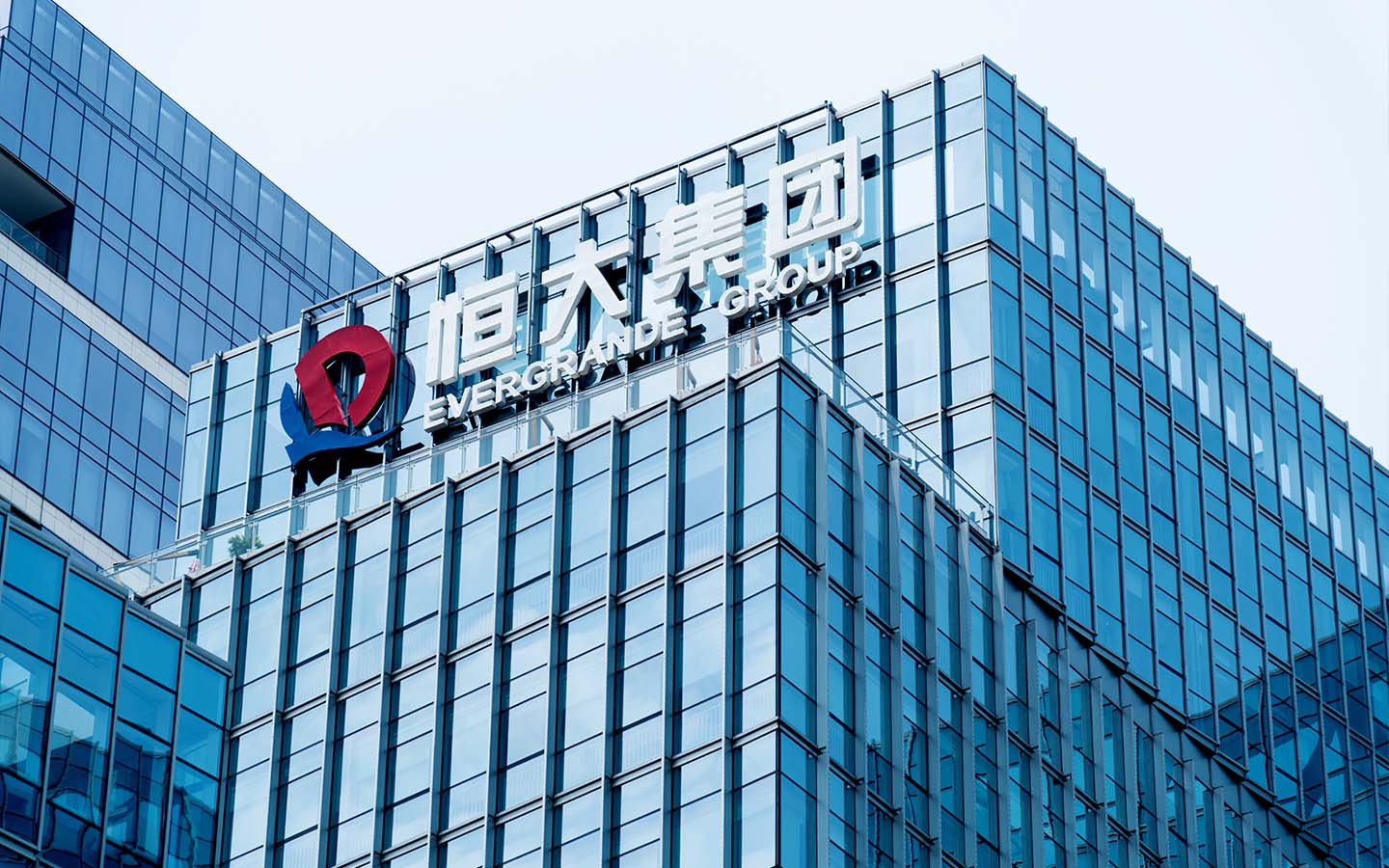
The trial of Xu Jiayin, former chairman of China Evergrande Group, has concluded its first-instance hearings in Shenzhen. The Shenzhen Intermediate People’s Court said it held public hearings from Monday to Tuesday, during which Xu, also called Hui Ka-yan, pleaded guilty to a range of criminal charges, according to multiple media reports.
According to a statement from the court, the case involves China Evergrande Group, its main onshore subsidiary Evergrande Real Estate Group, and Xu personally, and was brought by the Shenzhen People’s Procuratorate. The prosecution has laid charges against Evergrande Group including illegal deposit-taking, fundraising fraud, illegal loan issuance, securities fraud, disclosure violations and corporate bribery.
Evergrande Real Estate Group faces charges of securities fraud, while Xu is accused on multiple counts including illegal deposit-taking, fundraising fraud, illegal loan issuance, misuse of funds, securities fraud, disclosure violations, embezzlement and corporate bribery.
[See more: Evergrande has been ordered to liquidate US$240 billion worth of assets]
Xu pleaded guilty and stated that he accepted the charges. The court has not yet announced a verdict and said a ruling will be delivered at a later date.
Evergrande, once one of China’s largest property developers, entered a severe liquidity crisis in 2021 after accumulating liabilities of more than 2 trillion yuan, affecting homebuyers, creditors and related industries. Regulators and courts on the mainland and in Hong Kong have since moved to address the company’s debts through legal procedures, including liquidation proceedings and related civil actions.
Legal observers note that the Shenzhen trial forms part of broader efforts by authorities to handle risks in the real estate sector through the rule of law and to strengthen regulation of corporate fundraising and disclosure.