
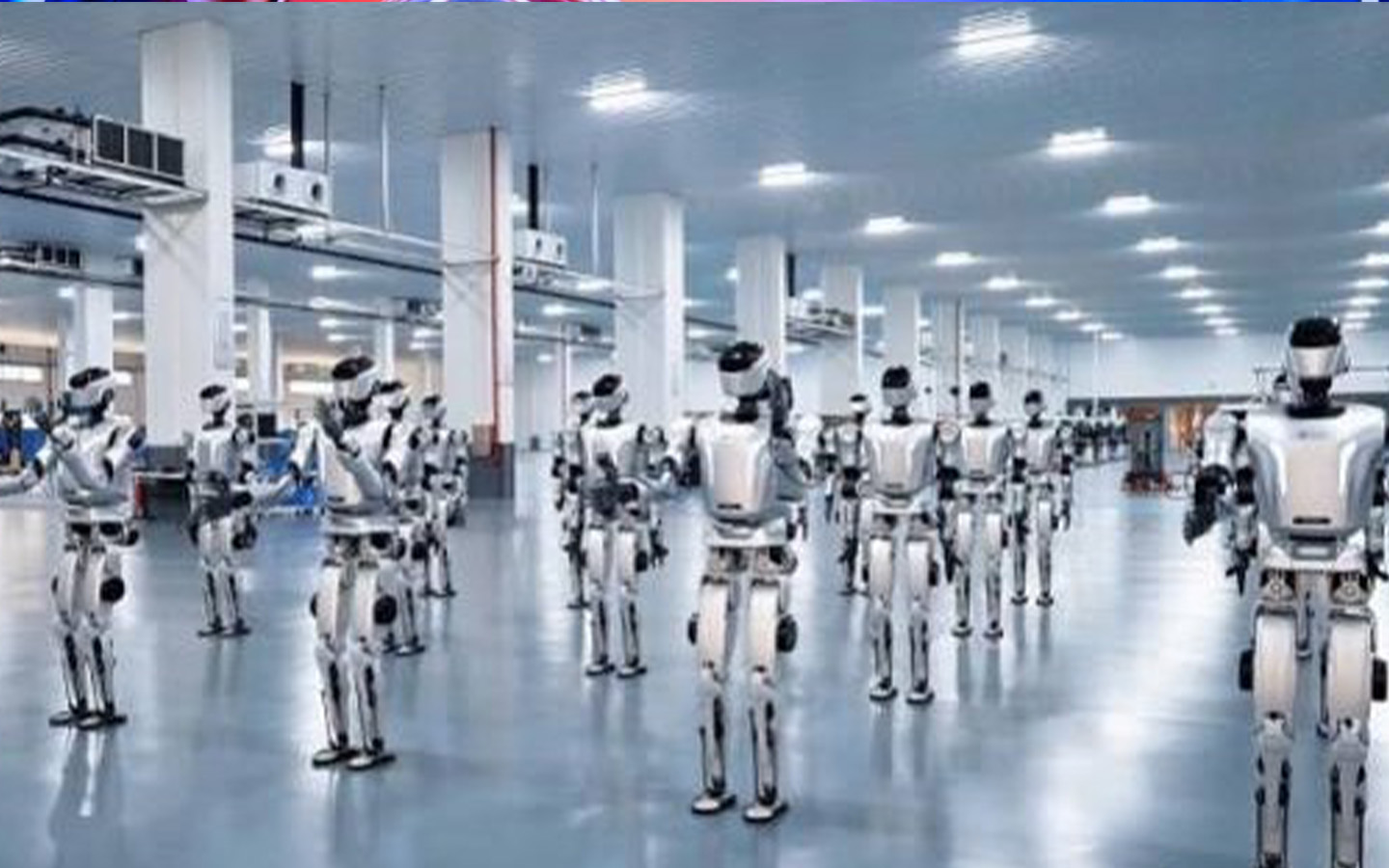
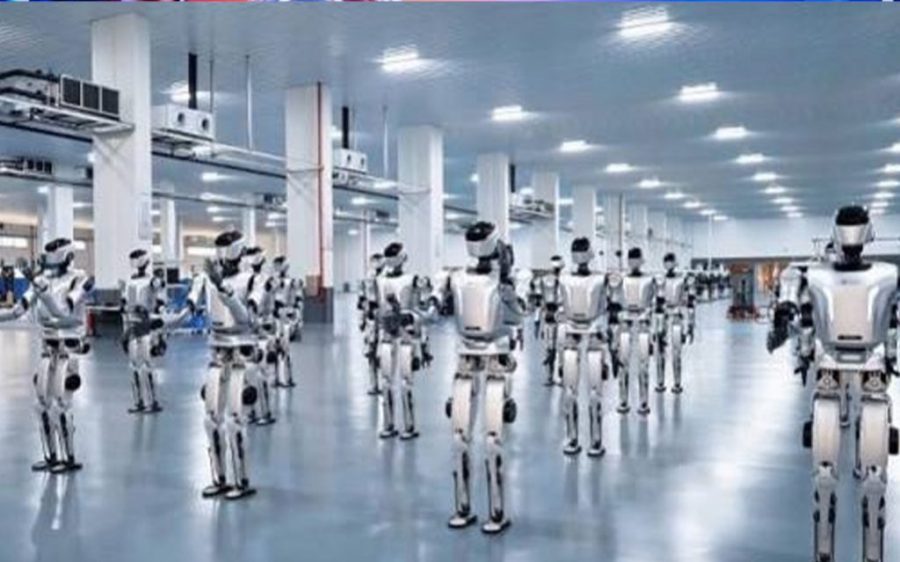
Shenzhen has taken another step in its bid to become the “Robot Valley” of the Greater Bay Area, with a local firm helping launch China’s first pilot production line for humanoid robots in Longhua. Co-built by Shenzhen-based Leju Robotics and Guangdong Dongfang Precision Science & Technology, the new facility can assemble a unit in two hours, China Daily reports.
Once the pilot units are fully certified, production will move to a facility in Foshan capable of making 10,000 units annually. Designed explicitly for large-scale delivery, the Foshan facility digitises all 24 precision assembly processes involved in putting together a full-size humanoid, from joint modules and sensors to actuators and control systems, boosting efficiency by over 50 percent compared with traditional assembly methods.
Each robot must pass through 77 inspection and testing procedures – including balance, grip strength and reliability checks – before shipment, an unusually dense quality regime that reflects both the complexity and the safety sensitivities of machines that are built to move and work like people, China Daily says.
[See more: You can now watch robots fight in Shenzhen]
The venture is deeply plugged into Shenzhen’s dense robotics supply chain, from component makers and embedded-AI designers to integrators already deploying humanoids on factory floors. The city has spent the past few years crafting a policy blueprint for a 100 billion yuan humanoid robotics industry by 2027, aiming to cultivate around 1,200 related firms and more than 10 “unicorns” in the sector.
Industrial users are the immediate target. Humanoid robots are being pitched as flexible workers that can be dropped into existing production lines, using their human-like form factor to handle repetitive, multi-step tasks without wholesale retooling of factories.
Analysts note that China’s strength in motors, gearboxes, sensors and batteries means it already controls much of the hardware supply chain for humanoids, helping push down costs and giving Guangdong manufacturers an edge as global demand ramps up.