In a comprehensive push to deepen its reform and global engagement, Guangdong province is leveraging its role in the development of the Greater Bay Area (GBA). Deputies to the National People’s Congress (NPC) have voiced their commitment to accelerating the creation of a dynamic, internationally competitive, bay area and world-class urban cluster.
Speaking during a group deliberation on Friday, provincial NPC deputies detailed the comprehensive socioeconomic development planned for the 15th Five-Year Plan (2026-30), which is designed to forge a new model for Chinese modernisation.
Guangdong Party secretary and 14th NPC deputy Huang Kunming outlined how the province has recently employed a “dual-strength strategy” to propel technological and industrial progress while rapidly fostering new productive forces.
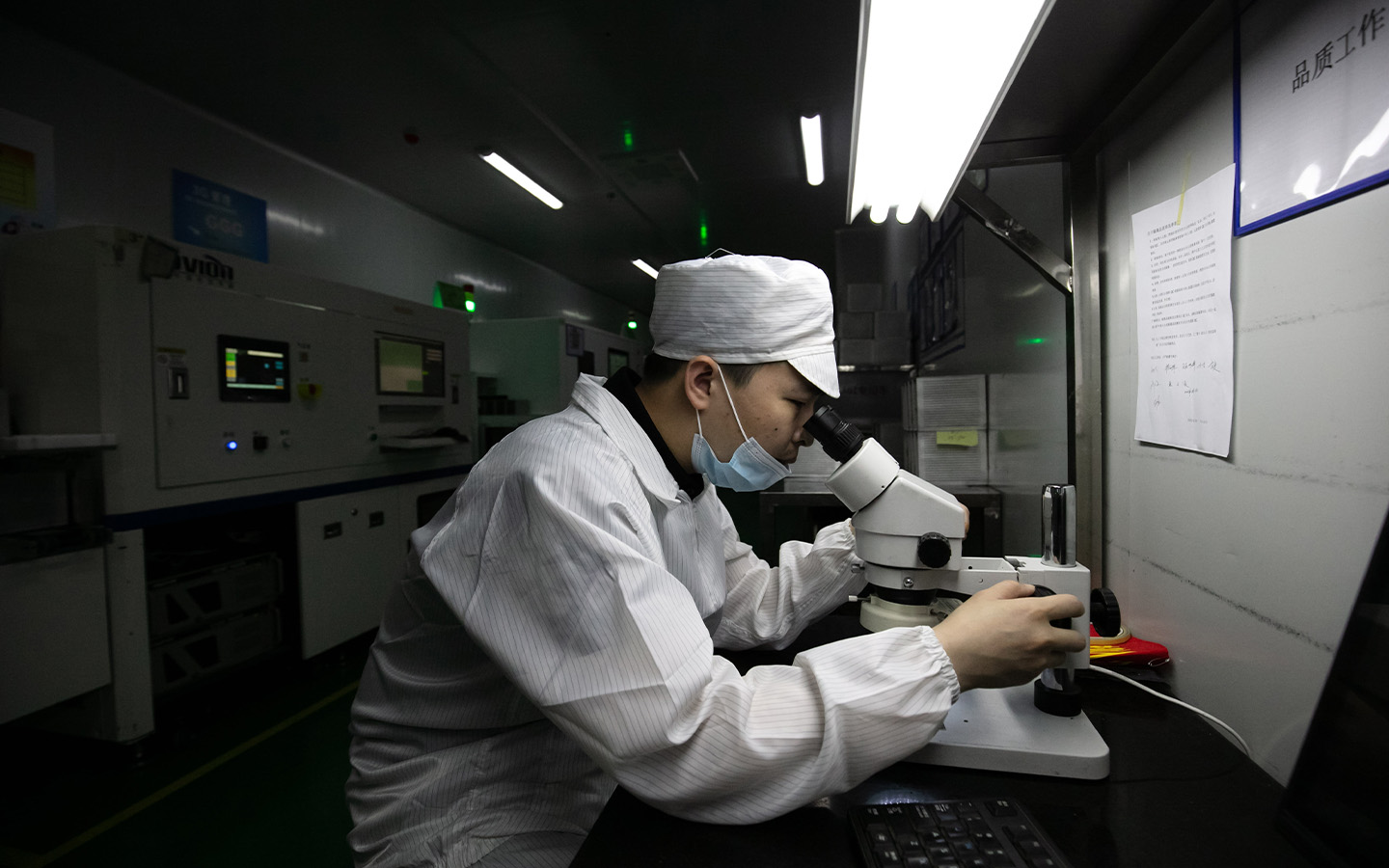
This strategy has already elevated economic growth, with R&D intensity across all sectors hitting 3.6 percent and supporting the rise of multiple industrial clusters, each worth over a trillion yuan. Furthermore, the core artificial intelligence sector has expanded to 300 billion yuan ($43.5 billion) in recent years.
Looking ahead to 2026-30, Huang stated that the province would pursue deeper integration between technological and industrial innovation. This focus includes coordinated development between manufacturing and services, with efforts to cultivate more trillion- and multi-trillion-yuan industrial clusters in emerging domains such as 6G, the low-altitude economy, embodied intelligence, and quantum technology.
[See more: Shenzhen steps onto the Asia-Pacific stage to chart APEC’s course]
In a bid to strengthen regional cooperation, Guangdong will build upon the success of jointly hosting the 15th National Games and the National Paralympic and Special Olympic Games with Hong Kong and Macao last year. Huang also emphasised the robust, mature conditions for collaboration with Macao, stating that Guangdong will vigorously advance the development of the Guangdong-Macao In-Depth Cooperation Zone in Hengqin.
Guangdong Governor Meng Fanli, also a 14th NPC deputy, highlighted Guangdong’s leading position within the country, noting it is home to the largest provincial population, highest economic output, and greatest number of market entities. During the 15th Five-Year Plan, Meng confirmed that development of the service sector will be prioritised to drive industrial and economic growth while simultaneously supporting the advancement of manufacturing. The province intends to accelerate the large-scale expansion of its service industry.
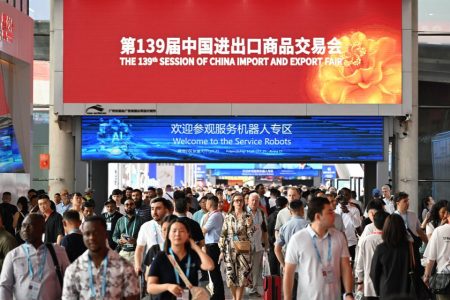
Internationally, Guangdong is positioning itself for further growth, capitalising on the APEC Economic Leaders’ Meeting scheduled to be hosted in Shenzhen in November. This major event is expected to facilitate the further opening of the service sector and promote the expansion, upgrading, and strengthening of service trade.
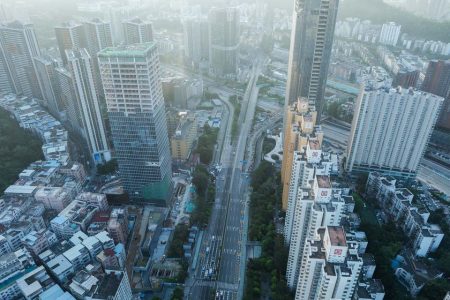
Shenzhen mayor Qin Weizhong, also a 14th NPC deputy, stated that the city is currently accelerating its evolution into a globally influential economic centre and a modern international metropolis. Plans include upgrading international infrastructure, broadening global partnerships, and enhancing cooperation in artificial intelligence, new energy, and green transformation. The “Shenzhen Solution” will be offered to promote shared prosperity across the Asia-Pacific.
Qin concluded that the APEC meeting would provide powerful momentum to deepen reform, opening-up, and innovation-driven development, bolstering the city’s global presence, competitiveness, and innovation capacity.