
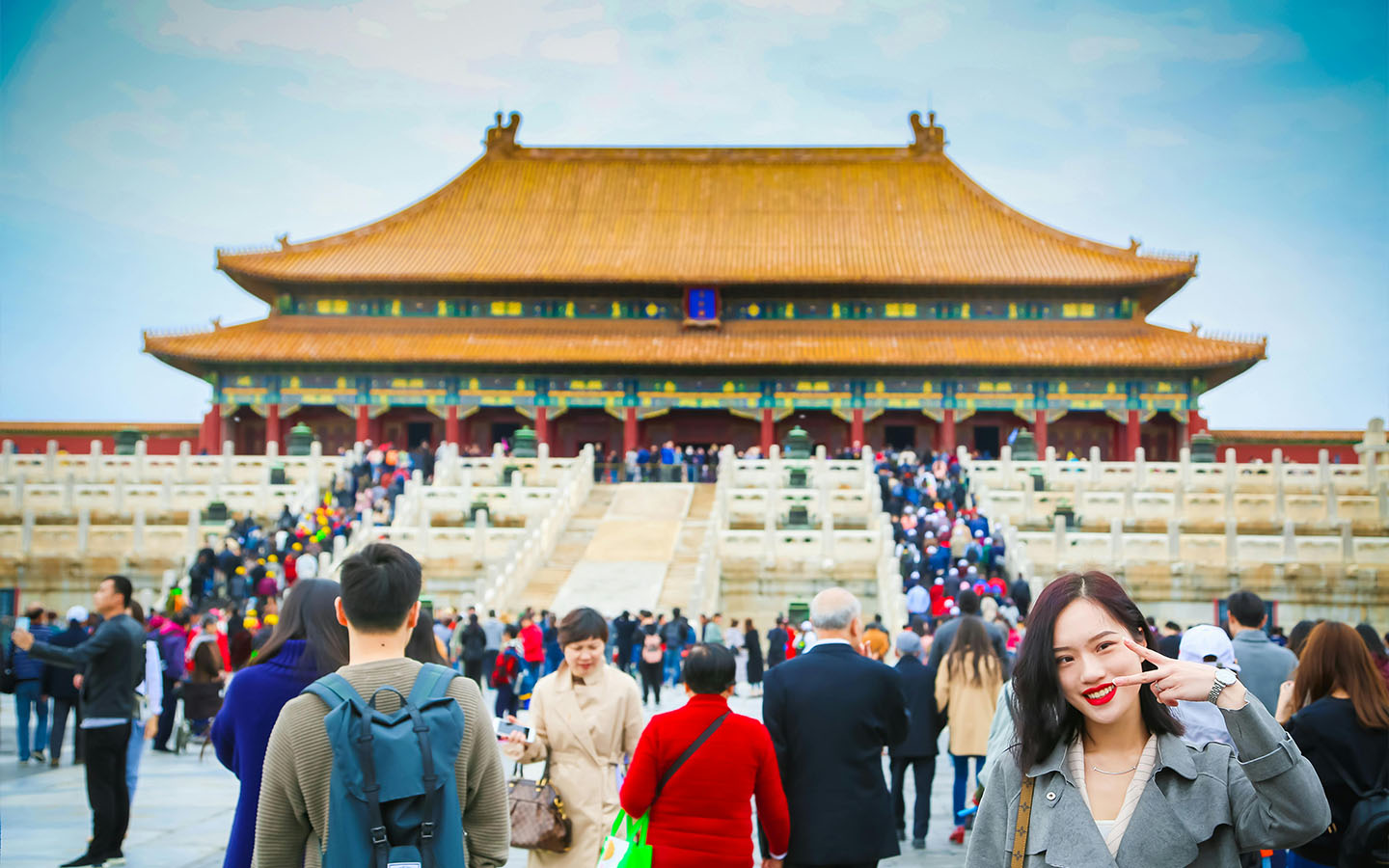
China’s cumulative tourism revenue, which includes outbound and inbound-related spending, is projected to reach 50 trillion yuan ($7.3 trillion) over the next five years, according to a new research note by Morgan Stanley. By 2030, the investment house forecasts the nation’s tourism industry to be valued at 12 trillion yuan ($1.7 trillion), roughly the size of South Korea’s economy, expanding at a compound annual growth rate (CAGR) of 11 percent over the second half of this decade.
That growing demand mirrors global trends. International tourism rose 4 percent last year, with travel increasingly embraced as a source of personal wellbeing and happiness. Morgan Stanley projects China’s per capita travel spending to reach 7,000 yuan by 2030, accounting for almost a fifth of the country’s overall consumption, a five-percentage point increase from 2023.
The trajectory is expected to benefit destinations like Macao where more than 70 percent of visitors come from mainland China. While part of China, Macao’s SAR status means it is statistically treated as an international outbound destination, attracting 19 percent more mainland tourists than the previous year and exceeding the 16 percent growth seen in domestic trips taken within China.
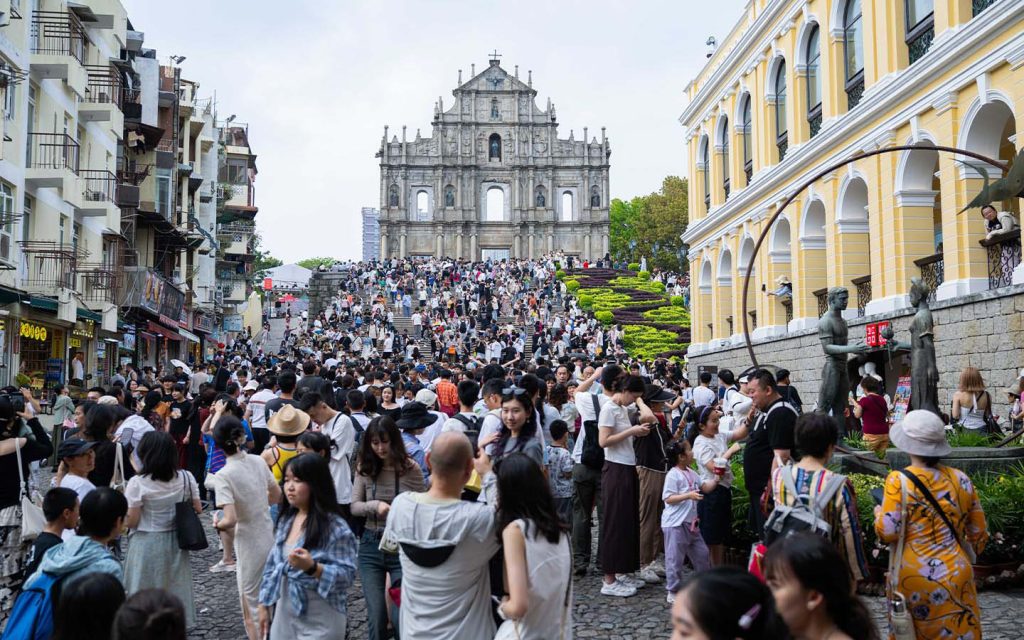
Visitor momentum remains unabated. The city welcomed 1.6 million sightseers during the nine-day Chinese New Year period, compared with 1.3 million arrivals during the eight-day celebration last year. This comes just months after the city recorded over 40 million tourists in 2025, a historic high.
[See more: Macao sees 279,000 visitors at start of Chinese New Year]
“Macao’s appeal as a leisure destination for Chinese travellers is not unwarranted, as it is often considered a half step out of the country,” Glenn McCartney, an associate professor in integrated resort and tourism management at the University of Macau, told The Bay.
While Portuguese and European architecture is visible throughout the city, Mandarin is widely spoken. Additionally, several popular venues are connected to China’s digital infrastructure to facilitate electronic payments that Chinese tourists are familiar with, he explained.
Challenges for Macao
But as Chinese travellers spend more, their expenditure patterns are also anticipated to evolve. Demand to venture further is already evident, as international revenues per kilometre (RPK) for Chinese passengers rose 22 percent last year, compared to 5 percent gain for domestic flights. Earlier this year, visa-free entry was extended to Canada and the United Kingdom, reflecting improved ties that may encourage more Chinese travellers to visit those countries.
Such trends could work against Macao’s geographic proximity. Better connectivity already facilitates convenient same-day itineraries where fewer overnight visitors impact the economic landscape. Presenting at a BritCham discussion this past October, casino industry expert Niall Murray estimated that per capita day spending is around 700 patacas, compared to the nearly 3,000 patacas for their overnight counterparts.
[See more: Macao’s non-gaming ambitions face structural hurdles that constrain its potential, BritCham speaker says]
The shortfall extends to other industries like Macao’s MICE sector, which Murray argues is only running at a third of its potential capacity. While Morgan Stanley estimates that business revenue per available room (RevPAR) is still below 2019 levels, the ratio improved to 90 percent in the final quarter of last year, highlighting that while the segment is not fully normalised, commercial traveling is no longer a structural drag on blended RevPAR calculations.
Risks of overinvestments and regional competition
With tourism emerging as a key driver of domestic service consumption, competition is set to intensify, placing Macao under pressure on multiple fronts. For local government financing vehicles, rising investment in culture and tourism projects carries heavier risks due to fluctuating demand, potentially leading to overinvestment compared to traditional infrastructure projects, noted Sarah Xu, senior analyst at Moody’s Corporation.
“Generic attractions such as ancient towns or night markets may lack unique appeal, making it difficult to sustain visitor interest and long-term viability. Meanwhile, event-driven tourism requires larger upfront investments and risks yielding only one-off returns unless those venues are reused effectively” she explained in a research note.
Large scale entertainment events have played a significant role in Macao’s recovery, but at a noticeable cost. Casino operators are already reporting higher operating expenditures which reflect intensifying competition, squeezing margins and weighing on market multiples that investors assign to the sector.
[See more: Macao’s gaming revenues jump 24 percent as cost controls and dividend payouts set investment tone]
No magic number
While China’s long history and diverse geography have shaped a rich tourism landscape, Macao’s role as a historical gateway to the Greater Bay Area gives it a unique head start and a competitive advantage in attracting visitors. However, competition within the region is set to intensify.
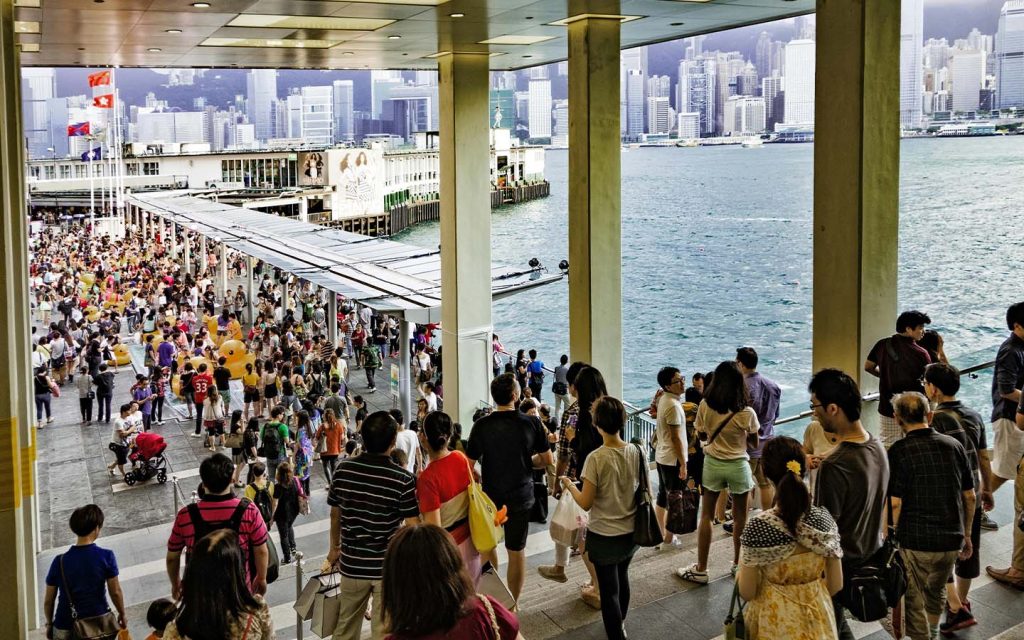
Neighbouring Hong Kong is also positioning itself to capture a significant share of China’s tourism spending. Like Macao, the HKSAR leverages its geographic proximity to China, where more than 75 percent of visitors originate from. On Wednesday, the government announced it would allocate HK$1.7 billion ($218 million) to the tourism board, a third higher than the previous budget, to attract 50 million plus visitors this year.
Hong Kong welcomed 1.8 million tourists during the Lunar New Year Holiday, a 14 percent increase from the year before and just 12 percent more than Macao. However, at 1,110 square kilometres Hong Kong is about 39 times larger than Macao, raising congestion concerns in the latter.
[See more: Hong Kong Airport’s expanded Terminal 2 departure hall set for May reopening]
Although Macao’s tourist figures are tracking Hong Kong’s, the focus locally should be on effectively managing those coming into the city, UM’s McCartney emphasises, noting that there is no major number that experts should be aiming for.
Rather, the priority should be on reallocating tourism dollars and traffic to less popular destinations and distributing them more evenly throughout the calendar. This might involve creative problem-solving, such as targeting tourists with pre-set itineraries before they even arrive in Macao,” he adds, saying that a bad experience due to overcrowding may prevent repeat visits.