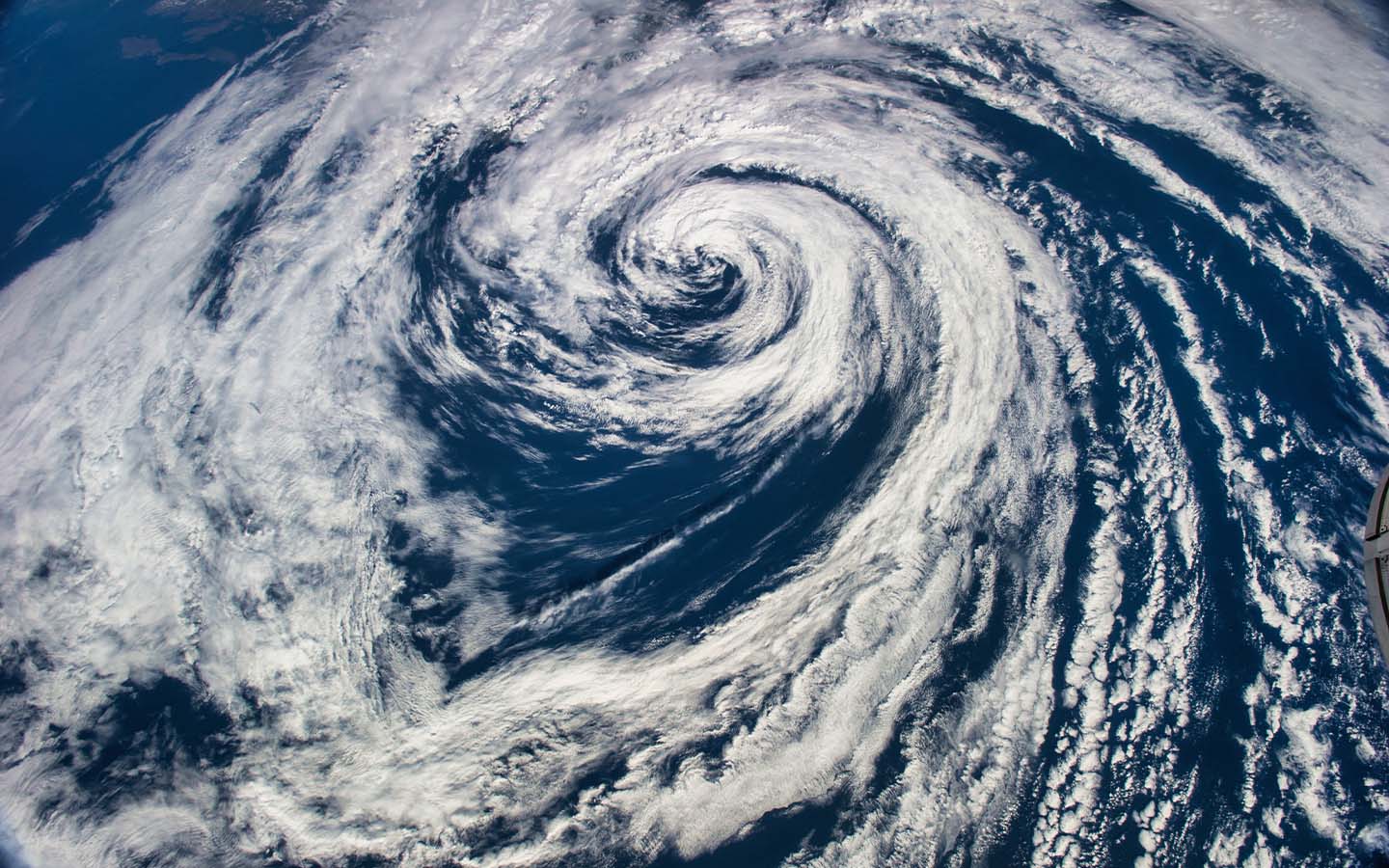
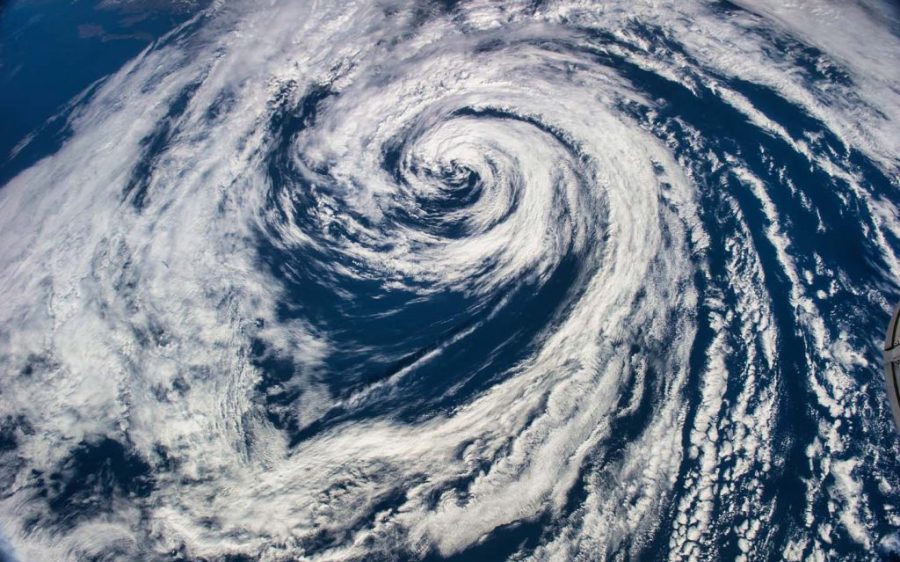
With more than a million people under threat, Mozambique is braced for impact as Tropical Cyclone Gezani tears through Madagascar.
“This system has the potential to approach the coast of Mozambique as a tropical cyclone, potentially affecting the coastal districts of the provinces of Sofala, Inhambane, and Gaza,” said Dorival Mutereda, director of the National Institute of Meteorology (INAM), on Monday. “We will continue to monitor the development of this system” he told the pan-African news agency APA News.
Mozambique is still struggling to cope with the aftermath of storms and heavy rainfall in January that caused widespread destruction of homes, farms and infrastructure.
Public works minister Fernando Rafael warned that more than a million people living along Mozambique’s central and southern coast could be affected if the Gezani strengthens as projected.
He noted that Gezani will further impact infrastructure like schools and hospitals, while a government document reviewed by Mozambican news agency AIM indicated the storm could impact around 13,000 schools, 1,800 health facilities and about 800 kilometres of the electrical grid.
[See more: Hundreds of thousands of people have been affected by flood damage in Mozambique]
Gezani made landfall in Madagascar on Tuesday evening as an Intense Tropical Cyclone, bringing average winds of 180 kph and gusts of up to 250 kph.
Forecast models anticipate the system moving southwest across the island, interaction with mountains and other terrain weakening it before it enters the Mozambique Channel. However, favourable environmental conditions there will result in steady re-intensification, the projected path continuing southwest before hooking sharply south toward Inhambane early on Friday.
The exact path and intensity of Tropical Cyclone Gezani remain uncertain. It is expected to turn east, back to the open ocean, by Sunday.
February marks the peak of the country’s rainy and cyclonic season, which began in October 2025 and is expected to run until April. Mozambique is among the most cyclone-prone countries in the world, facing repeated landfalls from storms that cause catastrophic flooding, widespread displacement and billions in damage.