China’s clean-energy industries drove a significant portion of the country’s economic growth in 2025, playing a decisive role in meeting Beijing’s annual GDP target, according to a new analysis by the Centre for Research on Energy and Clean Air (CREA) published by Carbon Brief.
CREA found that clean-energy sectors contributed 15.4 trillion yuan (US$2.1 trillion) in economic output last year, equivalent to 11.4 percent of China’s gross domestic product (GDP). That figure is comparable to the size of major economies such as Brazil or Canada, and nearly double the sector’s estimated value in 2022. Lauri Myllyvirta, a lead analyst at CREA, noted that if China’s clean-energy sector was a country, it would have the world’s 8th biggest economy.
Clean-energy industries grew by 18 percent year on year, far outpacing the broader economy and accounting for more than 90 percent of the net increase in investment.
[See more: Cabo Verde nets US$13.3 million for clean energy transition]
The centre also estimated that without growth in clean energy, China’s economy would have grown by only 3.5 percent in 2025 – well below the 5 percent actually clocked, which met Beijing’s official target.
Electric vehicles (EVs), batteries and solar power – referred to as China’s “new three” industries – were the largest contributors, generating about two-thirds of clean-energy value added. EVs and batteries alone accounted for 44 percent of the sector’s economic impact, driven by strong growth in vehicle production (more than half of cars made in China are EVs), battery manufacturing and exports.
Investment in clean energy reached 7.2 trillion yuan in 2025, roughly four times the amount invested in fossil-fuel extraction and coal-fired power, the analysis showed. While exports of clean-energy technologies expanded rapidly, domestic demand remained the primary driver of growth.
[See more: China and EU have agreed a new tariff deal on electric vehicles]
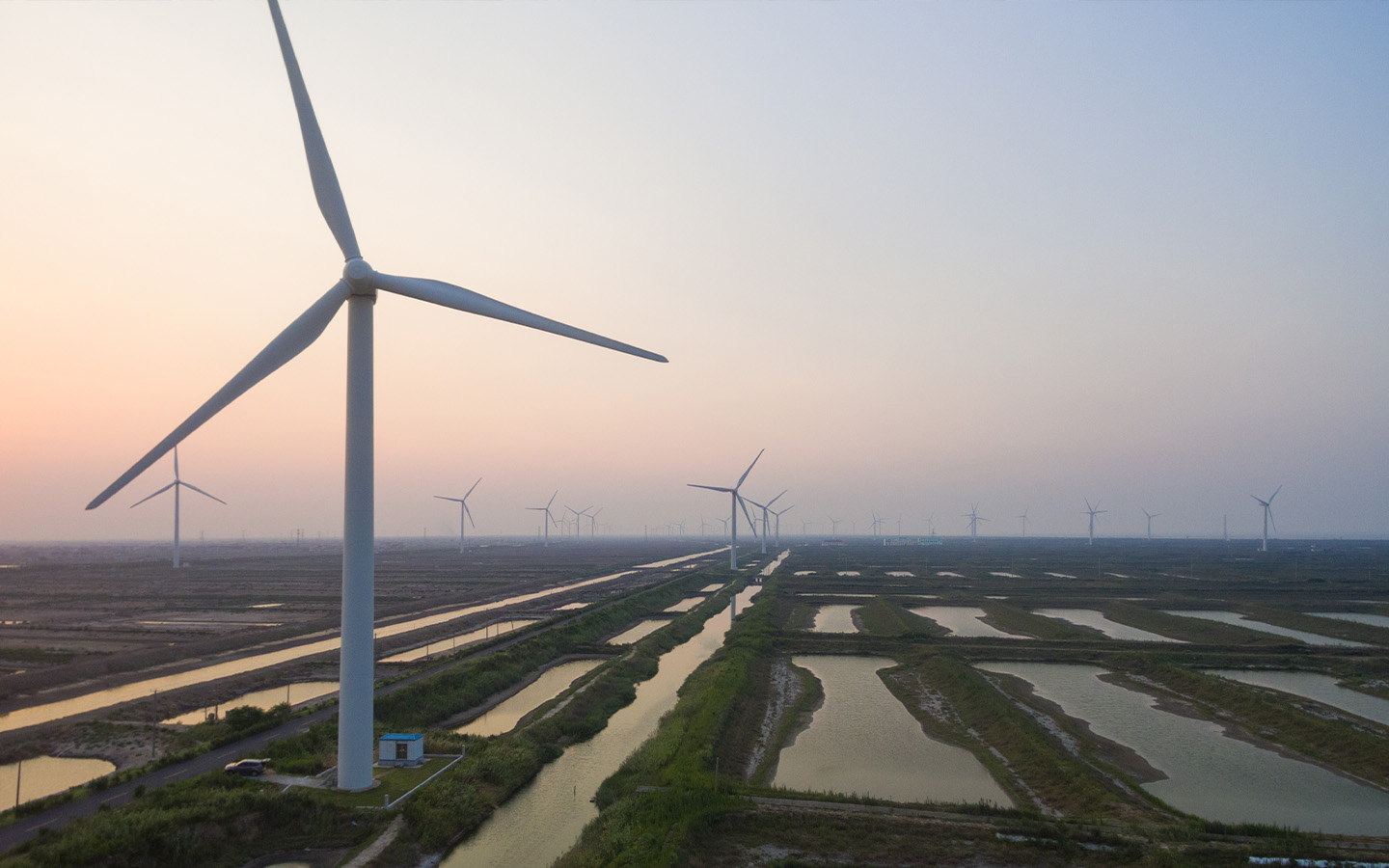
The clean-power sector, including solar, wind, nuclear and energy storage, made up about 40 percent of clean energy’s GDP contribution. China installed record levels of wind and solar capacity during the year, although investment in solar manufacturing continued to decline amid government efforts to curb overcapacity and price competition.
Despite the strong performance, Myllyvirta cautioned that uncertainty was building, particularly for solar power – following the introduction of a new pricing system and more modest central government targets for capacity growth. A prolonged slowdown could turn parts of the sector into a drag on growth and worsen industrial overcapacity.
CREA’s analysis said that continued investment in clean energy represented a “large bet on the energy transition in China and overseas.” It also noted that while risks were rising, the sector’s central role in supporting growth was likely to reinforce incentives for policymakers, state-owned enterprises and local governments to sustain momentum in coming years.